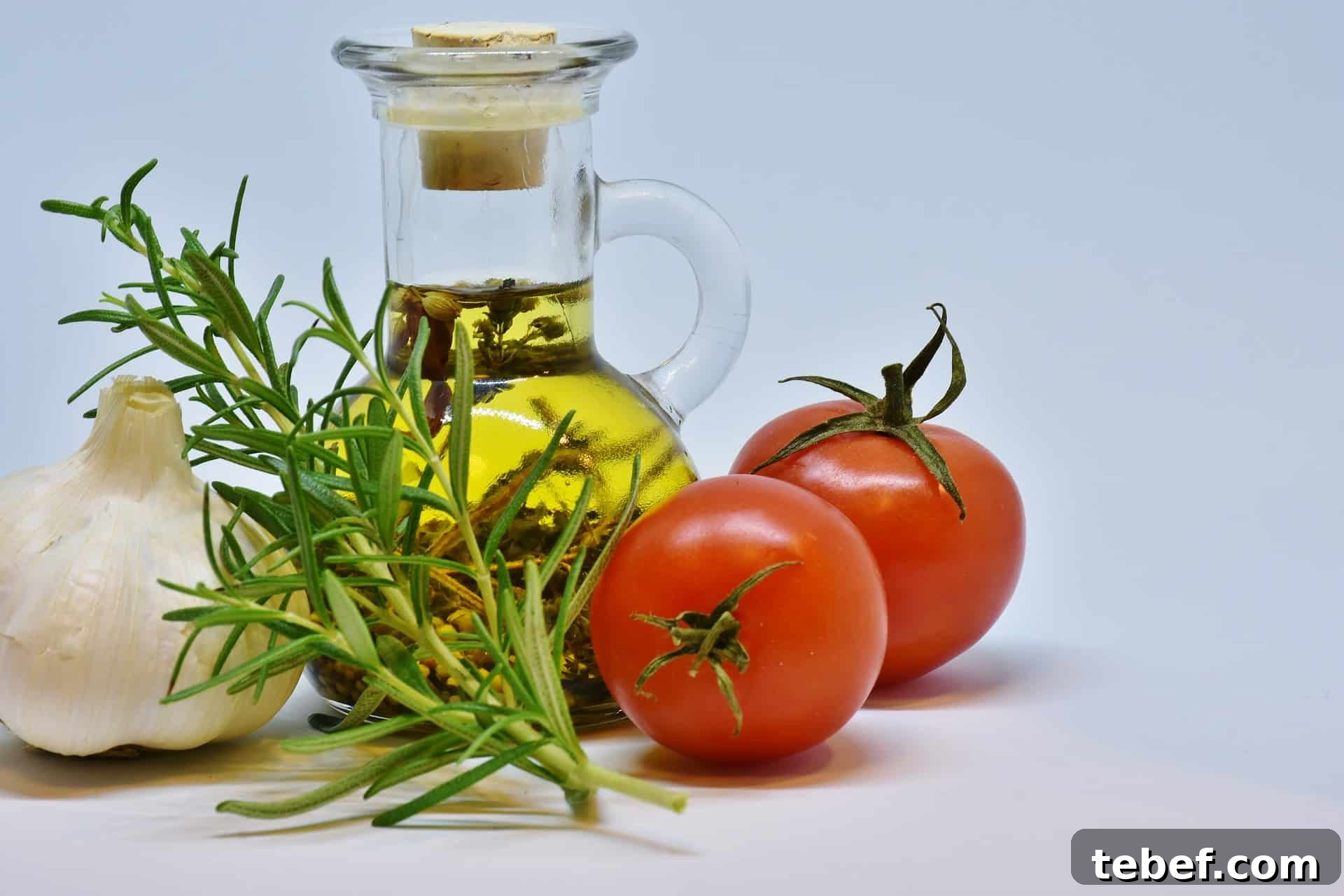
Do you have several bottles of cooking oil gathering dust on your kitchen shelf? You’re not alone. Many people keep jars of peanut butter or bottles of oil that rarely get used, and it’s easy to forget that oils can degrade over time.
Cooking oil can become rancid through oxidation, but when stored and handled properly it remains safe and useful for months or even years depending on the type.
What are the signs that cooking oil has gone bad?
The most obvious sign of spoiled oil is an unpleasant or foul odor. Oxidation causes unsaturated fats to break down into smaller compounds that produce off smells. As oxygen reacts with fat molecules, the oil develops the characteristic rancid scent.
Another warning is a strong fishy aroma. Oils high in polyunsaturated fats are more prone to breaking down and can take on a fishy or metallic smell when rancid.
Color change is a further indicator: oil that darkens or turns brown has undergone autoxidation. Exposure to light and heat accelerates this process, so storing oil in a cool, dark place slows deterioration.
You can also taste a small amount to check freshness. Rancid oil tastes unpleasant, bitter, or stale. If the flavor is off, discard the oil; if it still tastes neutral or slightly nutty, it’s likely fine to use.
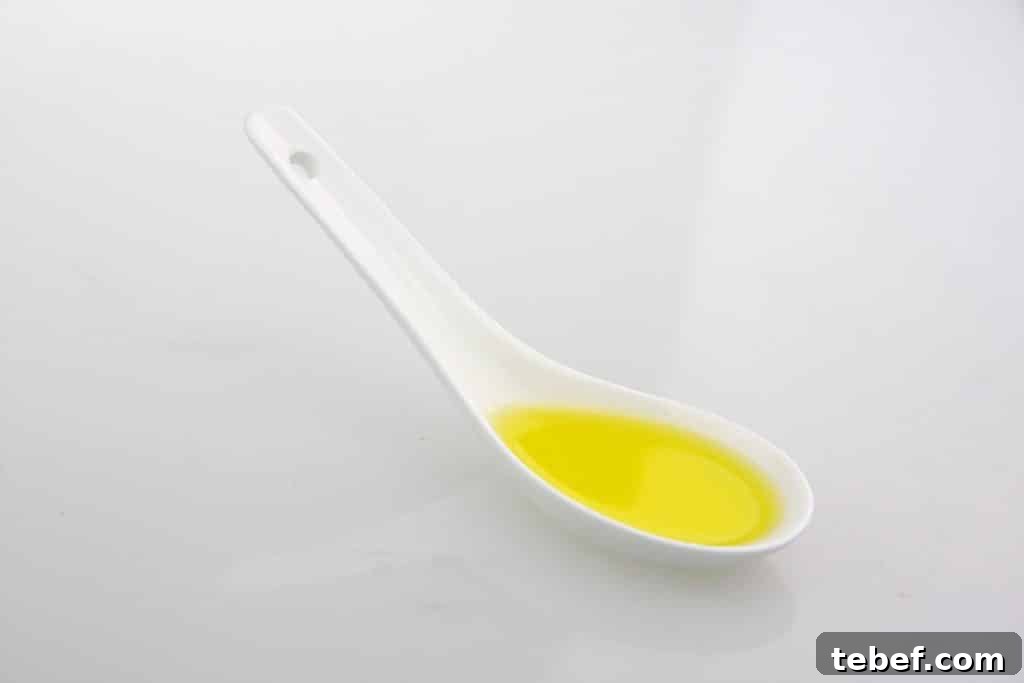
How long does cooking oil last before it goes bad?
Shelf life depends on the oil type and storage conditions. Check the “use by” or best-by date for guidance, but remember that this indicates quality more than safety.
Generally, many cooking oils last about one year after opening when stored properly. With ideal storage—cool, dark, and sealed—some oils can keep for up to three years. Still, factors like packaging, processing, and the oil’s fatty acid profile affect longevity.
Vegetable oils and highly processed oils may have added antioxidants and preservatives but can still go rancid faster at room temperature. Oils high in polyunsaturated fats produce free radicals more readily when exposed to oxygen, accelerating spoilage.
Is it safe to use bad cooking oil?
Rancid oil is generally not toxic in the short term, but it tastes and smells unpleasant and can negatively affect the flavor of your dishes. Prolonged consumption of degraded oils that contain oxidized fats and free radicals may have undesirable health implications, so it’s best to avoid using visibly rancid oil.
1. The shelf life of cooking oil
Store unopened oil in its original container, away from heat and light. Once opened, keep oil tightly sealed and in a cool place. Refrigeration can extend shelf life for many oils, though some may become cloudy when cold and return to normal when warmed.
2. The shelf life of vegetable oil
Vegetable oil is common and versatile but can be more perishable than some specialty oils. Expect about six months to one year of good quality after opening, depending on exposure to air, light, and heat. Extra-virgin oils often have different stability profiles and should be used sooner for best flavor.
3. The shelf life of animal fats
Rendered animal fats like lard, tallow, and shortening vary in stability. Some, like beef tallow, can remain usable longer than softer fats. In general, store animal fats in a cool place and expect shorter shelf lives than many refined vegetable oils.
4. The shelf life of canola oil
Canola oil, a commonly used refined oil, typically remains good for around six to twelve months after opening when stored properly.
5. The shelf life of peanut oil
Peanut oil is popular for frying and can stay fresh longer than some other oils due to its composition. Expect up to 12–18 months of quality when stored correctly, though frequent exposure to heat and air will reduce this.
What are the consequences of using bad cooking oil?
Using rancid oil mainly impacts flavor and aroma—foods cooked in bad oil will taste off. Over time, oxidized fats may form compounds that are not desirable for health, so it’s better to err on the side of caution and replace oil that shows clear signs of spoilage.
How can you tell if cooking oil has gone bad?
Smell, appearance, and taste are the easiest indicators. Rancid oil often smells sharp, bitter, or sour; colours may darken; and the flavor will be unpleasant. If in doubt, discard the oil rather than risk affecting your food.
Can bad cooking oil be fixed?
Once oil is rancid, you cannot reliably restore it to its original quality for eating. However, if the oil is only slightly past its prime but still acceptable, you can use small amounts in non-sensitive recipes like some marinades or dressings. For obvious rancidity—strong off-odors, discoloration, or bad taste—discard it.
1. Recognizing rancid oil
Rancid oil often has a musty, stale, or even moldy aroma and a darker, thicker appearance. If the oil looks or smells different from when you purchased it, that’s a sign it may have gone bad.
2. What to do with bad cooking oil
For slightly aged oil that still smells and tastes acceptable, consider using it sooner in dishes where subtle off-notes won’t dominate. Otherwise, dispose of rancid oil responsibly—never pour it down the drain; collect it for recycling where facilities exist or discard according to local waste guidelines.
Avoid reusing cooking oil multiple times for frying; each use accelerates breakdown and increases the chance of off-flavors and degraded quality.
What should you do with bad cooking oil?
If oil shows signs of spoilage—bad odor, darkened color, or odd taste—throw it away. Don’t take risks with rancid oil in cooking. Replace regularly used oils more often and buy quantities that fit your cooking habits to avoid waste.
1. Look at the color
While oils vary in natural color, an unexpected darkening or cloudiness (not explained by refrigeration) can indicate oxidation or contamination. If the color looks wrong and is accompanied by off-smells, discard the oil.
2. Check the smell
Smelling the oil is the quickest test: a fresh oil will smell neutral or pleasantly nutty/plant-like depending on the type. A rancid or chemical odor means it’s time to discard.
3. Make sure it’s sealed properly
Always keep oil bottles tightly closed to limit oxygen exposure. Damaged or leaky packaging shortens shelf life and can lead to faster spoilage.
4. Avoid heat exposure
Keep oils away from heat sources like ovens or stovetops and avoid direct sunlight. Heat speeds oxidation and reduces shelf life.
5. Don’t reuse cooking oil excessively
Reusing frying oil multiple times accelerates degradation. If you must reuse oil, strain it, store it cool and sealed, and use it soon for similar frying tasks.
How can you prevent cooking oil from going bad?
The main enemy of oil is oxygen. Keep bottles sealed and store them in cool, dark places to slow oxidation. If you want to extend shelf life further, purchase oils in smaller containers, buy fresher stock, and refrigerate oils that benefit from cooler storage.
To minimize exposure after opening, transfer oil to smaller containers as it’s used up, or use a pour spout that limits air entry.
What are the best ways to store cooking oil?
Store oils upright in a cool, dark cupboard away from heat. Use dark glass or opaque containers when possible to reduce light exposure. Refrigeration can help extend shelf life for many oils but may cause some to cloud—this is reversible at room temperature.
1. Solid at room temperature
Fats that are solid at room temperature, like some animal fats, form a protective layer that limits oxygen contact. Keep them covered and refrigerated if you don’t use them often.
2. Liquid at room temperature
Liquid oils should be stored in tightly sealed, dark containers in cool, stable conditions. Avoid frequent temperature fluctuations and direct light exposure.
Proper storage and sensible purchasing habits will help your oils stay fresh and flavorful for as long as possible.
What are some tips for cooking with oil?
Store oil in a cool, dark place and keep containers tightly sealed. If you refrigerate oil after opening, allow it to return to room temperature before using if clarity is important. Choose oils with higher smoke points for high-heat cooking, and avoid repeatedly reusing frying oil. When unsure about an oil’s freshness, rely on smell and taste—if it smells off, discard it.
Related Posts
What Is Hard Cheese?
How To Tell If Lettuce Is Bad?
Frozen Lemonade Concentrate?

Can you use Aluminum foil in the Emeril Lagasse Air fryer?