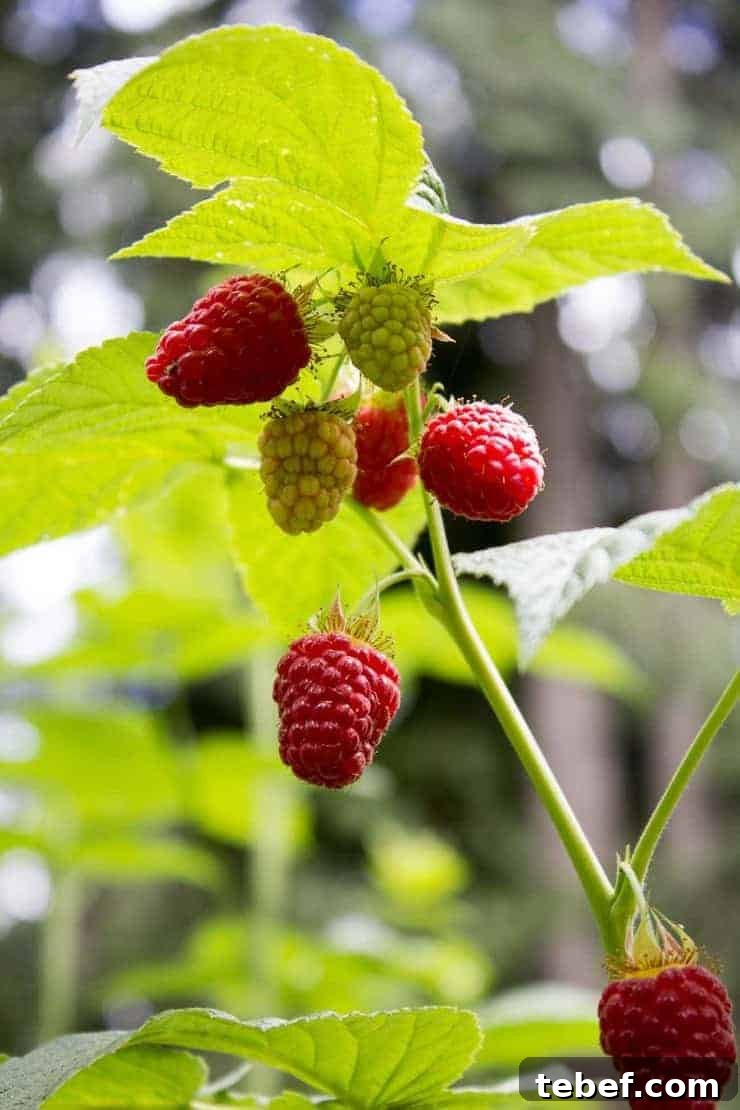
If you grow raspberries, knowing how to prune them is essential. Annual pruning keeps canes healthy, improves airflow, reduces disease, and increases your raspberry yield. Whether you prune in the fall or the spring, a regular pruning routine will help your plants produce reliably year after year. This guide explains simple, effective steps for pruning raspberries and what tools you’ll need.
When to Prune Raspberries
Raspberries are typically pruned once a year. Many gardeners choose to prune in the fall after harvest, which makes winter cleanup easier and simplifies spring maintenance. Pruning in early spring is also acceptable if you missed fall pruning. The key point is to remove old, fruiting canes and to leave the healthy new growth that will produce the following season.
Tools and Preparation
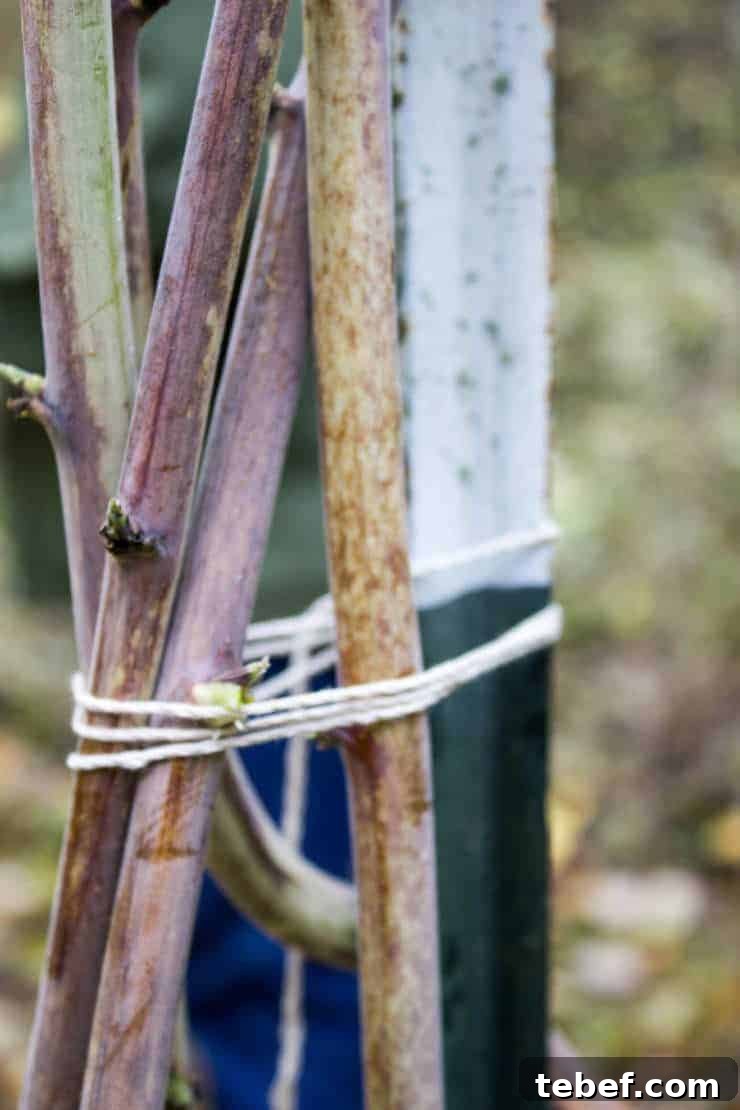
For pruning raspberries you will want a sharp pair of bypass pruners and some cotton twine or soft garden twine for tying canes. Ensure your pruners are clean and sharp to make clean cuts and reduce damage to the plants. Wear gloves to protect your hands from thorns and rough cane surfaces.
Step-by-Step Pruning Instructions
Follow these basic steps to prune raspberries efficiently:
- Remove any old string or ties that held the canes upright from the previous season.
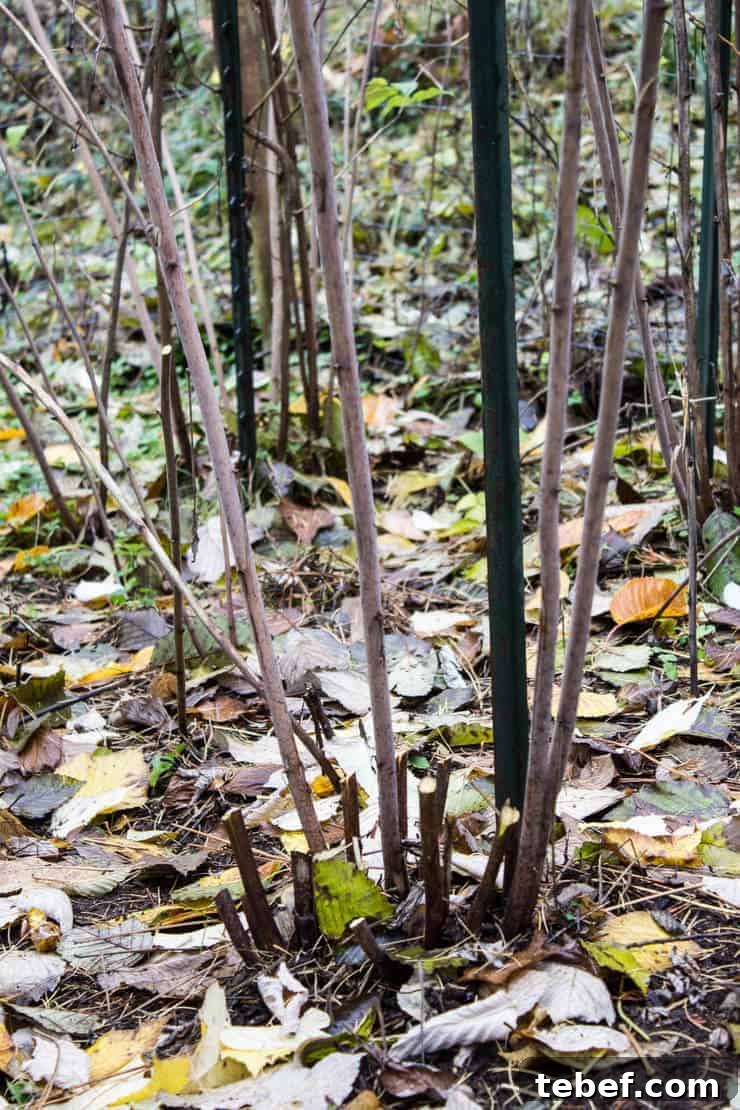
- Identify and remove all old, woody stalks that have already fruited. These canes are typically woodier and darker than new stalks. Cut these old canes back at the base, as close to the crown as possible.
- Keep the healthy new growth. Aim to retain about 4–6 vigorous new canes per plant or per linear foot of row, depending on your system and variety. Remove surplus weak or crowded new canes to improve light and air circulation.
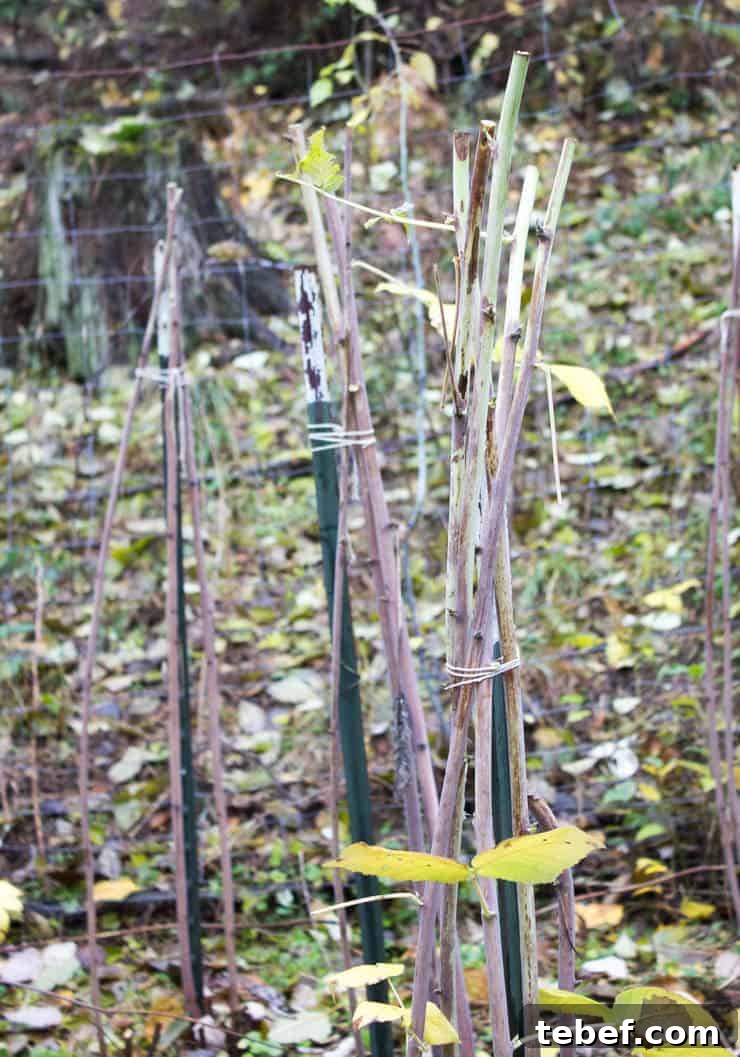
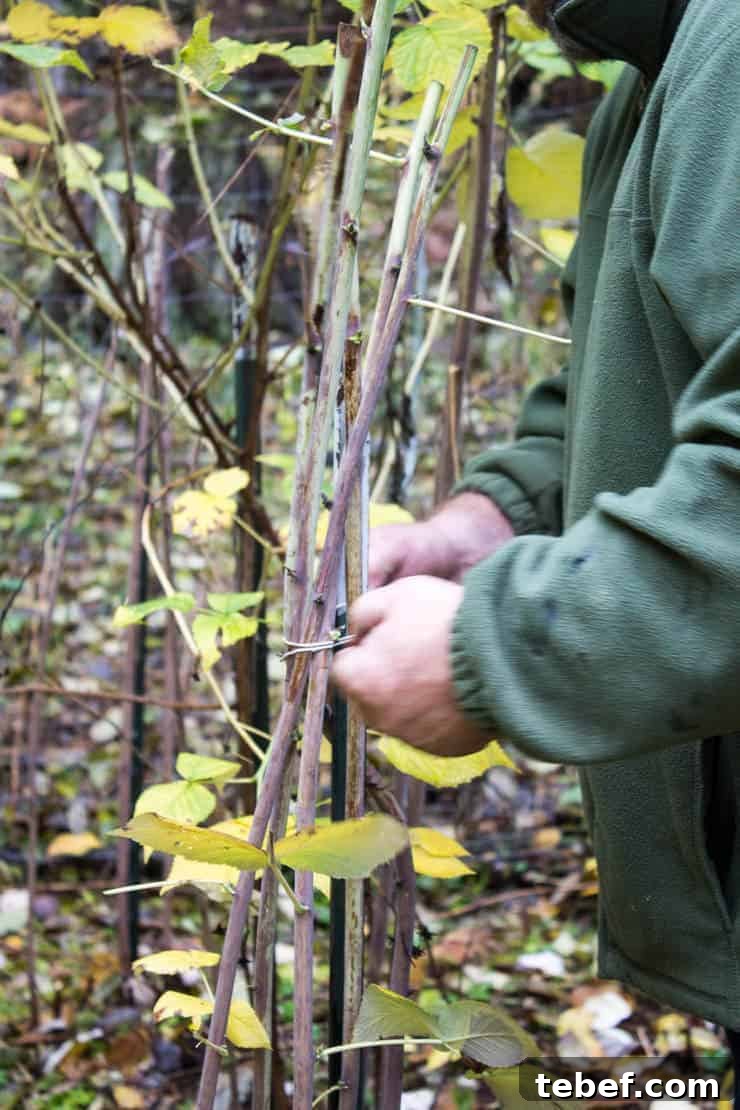
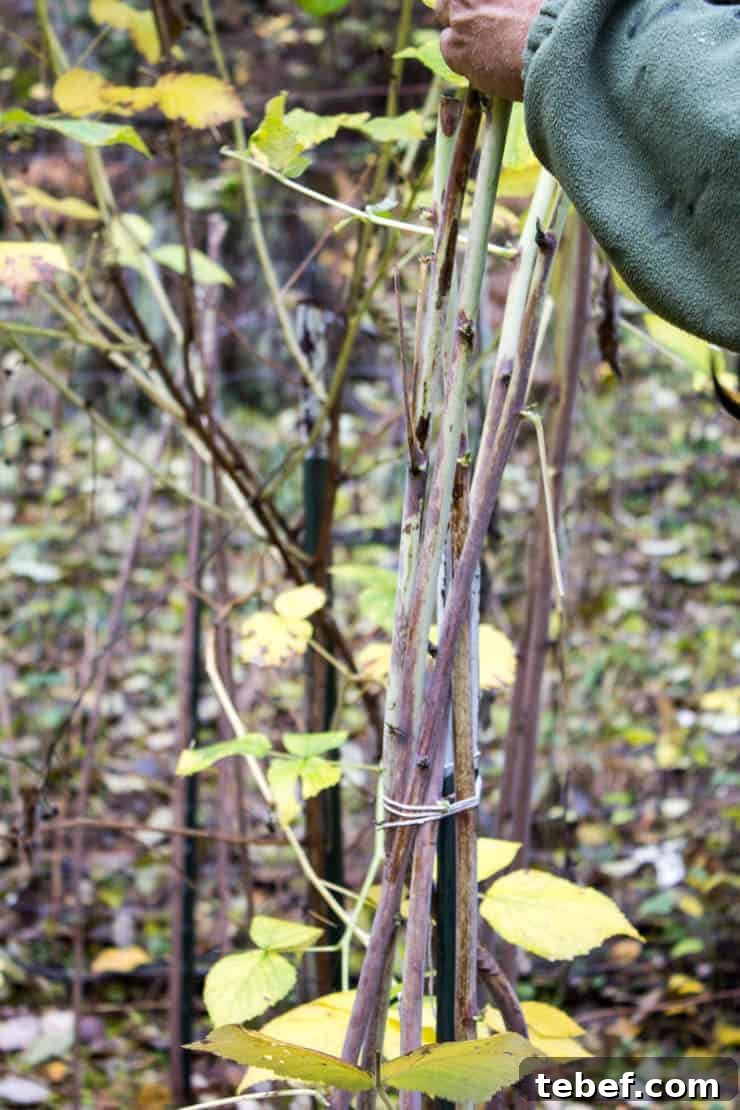
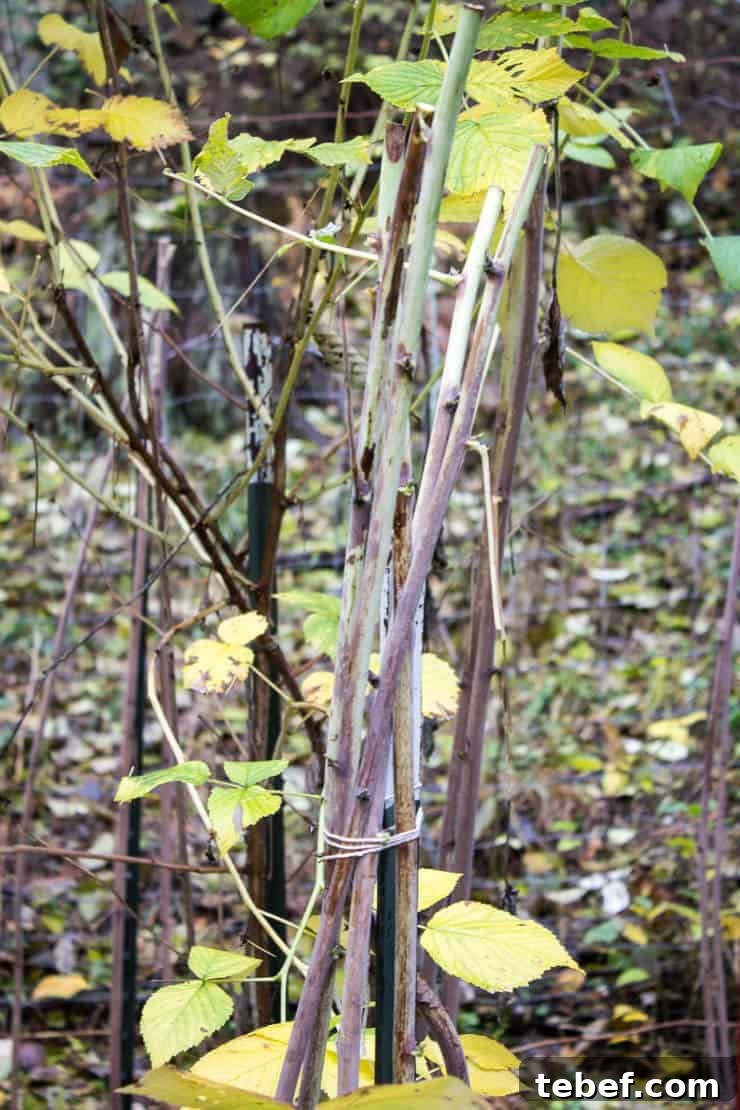
- Tie the remaining new canes together for support. Use cotton twine or soft ties to secure the canes to stakes, posts, or trellising so they remain upright and easier to harvest from.
- Tip the new canes to control height and encourage branching. Many gardeners cut the tips when canes reach about 4–6 feet tall (our canes are usually cut at about 5 feet). Tipping stimulates lateral growth and can improve berry production.
- Collect and remove all pruned canes and debris from the bed to reduce disease pressure and overwintering pests.
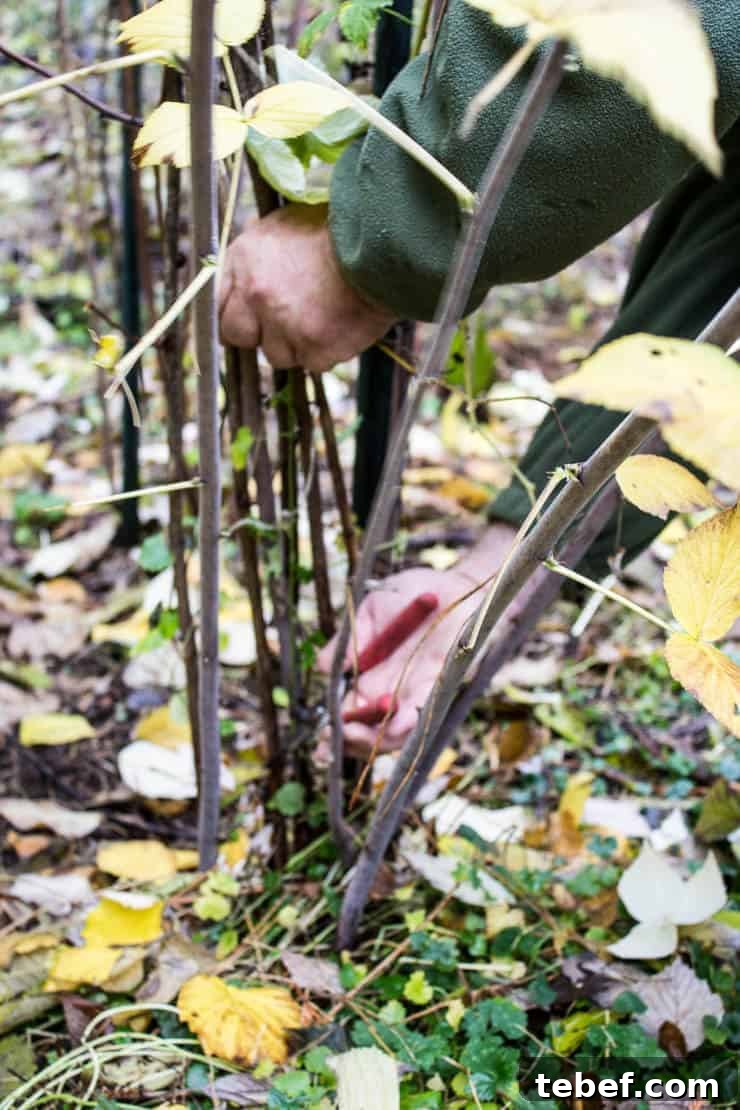
Pruning raspberries is straightforward and doesn’t take long once you get the hang of it. The most important practices are removing the old fruiting canes, preserving the healthy new growth, and providing adequate support for the remaining canes. Regular pruning keeps plants productive and simplifies maintenance during the growing season.
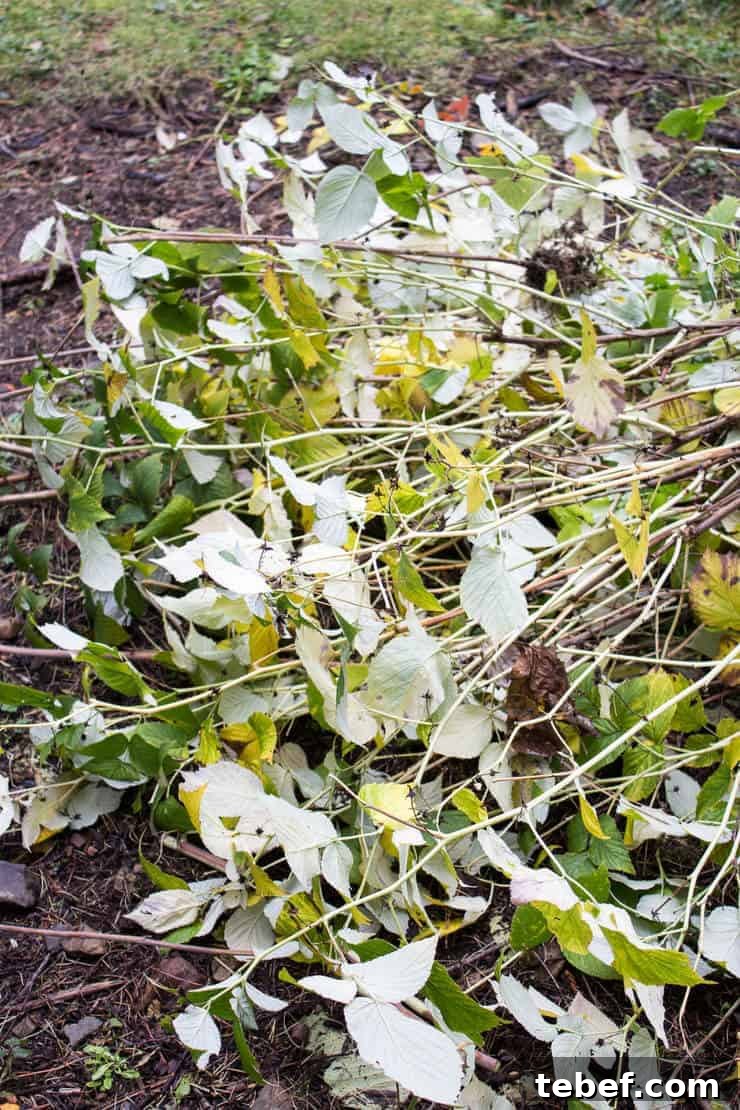
That’s it — a simple routine that keeps your raspberry bed healthy and productive. Pruning is one of the last garden chores before winter sets in and it’s satisfying to finish the season knowing your raspberries are ready to rest and will return strong in spring.
Other Posts You Will Like
How to Freeze Fresh Raspberries
How to Prune Apple Trees