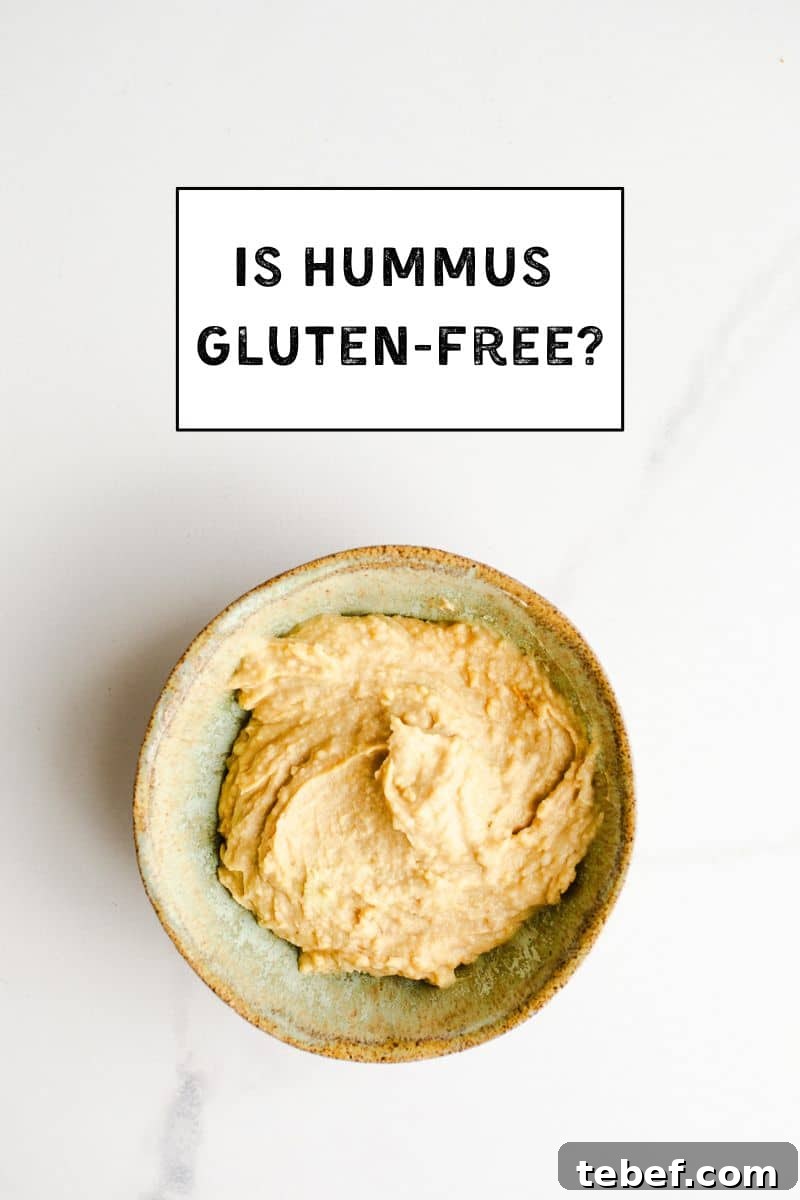
Hummus is a savory spread with many culinary uses. But is it gluten-free?
Is hummus gluten-free? In short, yes. Traditional hummus ingredients are naturally gluten-free, but not every commercial product is produced or labeled the same, so it’s important to check labels and manufacturing information.
What is hummus?
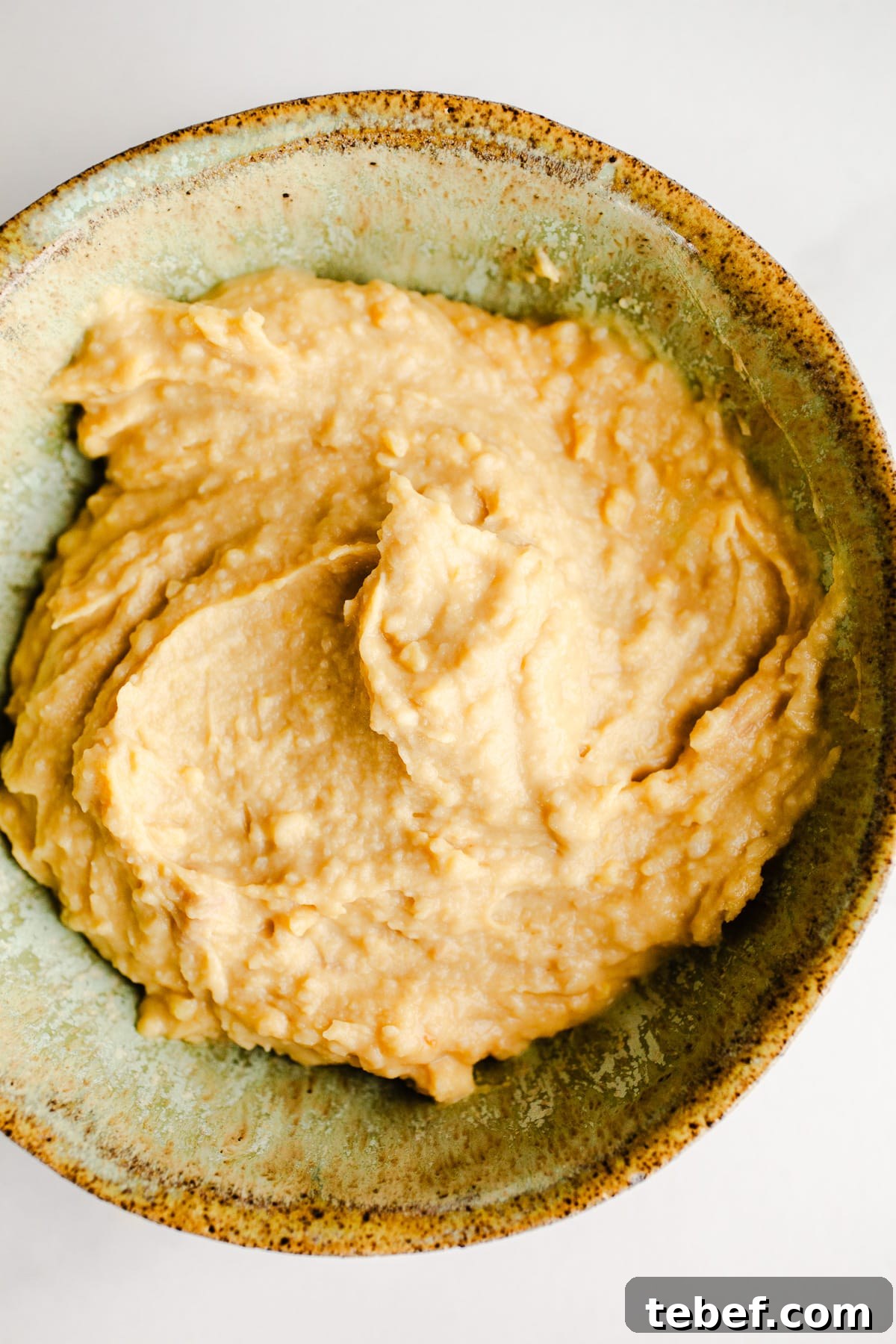
Hummus is a creamy Middle Eastern dip and spread made from cooked, mashed chickpeas (garbanzo beans) blended with tahini (sesame paste), olive oil, lemon juice, garlic, and salt. It’s valued for its smooth texture, savory flavor, and nutritional profile.
Chickpeas provide protein, fiber, and healthy fats, and hummus also supplies vitamins and minerals such as iron, folate, and vitamin B6. Because it is easy to prepare and versatile, hummus is widely enjoyed as part of many diets worldwide.
Is hummus safe for Celiac disease?
Hummus is generally safe for people with Celiac disease or non-celiac gluten sensitivity when it is made from traditional, gluten-free ingredients. Chickpeas, tahini, olive oil, lemon juice, garlic, and salt are all naturally gluten-free.
However, some commercial hummus products may include added ingredients or be processed in facilities that handle gluten-containing grains, introducing a risk of contamination. Flavored varieties can also contain seasonings, thickeners, or additives that have gluten.
If you need to avoid gluten, check ingredient lists and allergen statements and look for products labeled gluten-free or produced in dedicated gluten-free facilities. Certification from an independent organization provides additional assurance for those with strict dietary needs.
Types
Hummus is available in a wide range of flavors and variations, from the classic recipe to creative specialty versions:
Classic – The traditional mix of chickpeas, tahini, olive oil, lemon juice, garlic, and salt, offering a rich, creamy texture and savory flavor.
Flavored – Common flavored options include roasted red pepper, garlic, spicy, herbed, pumpkin, lemon, olive, and avocado hummus.
Specialty – There are also unique variations such as chocolate hummus, tahini-free hummus, edamame or white bean spreads, and lentil or red lentil hummus made with different legumes.
Uses
Hummus is highly versatile and can be used in many ways beyond a simple dip:
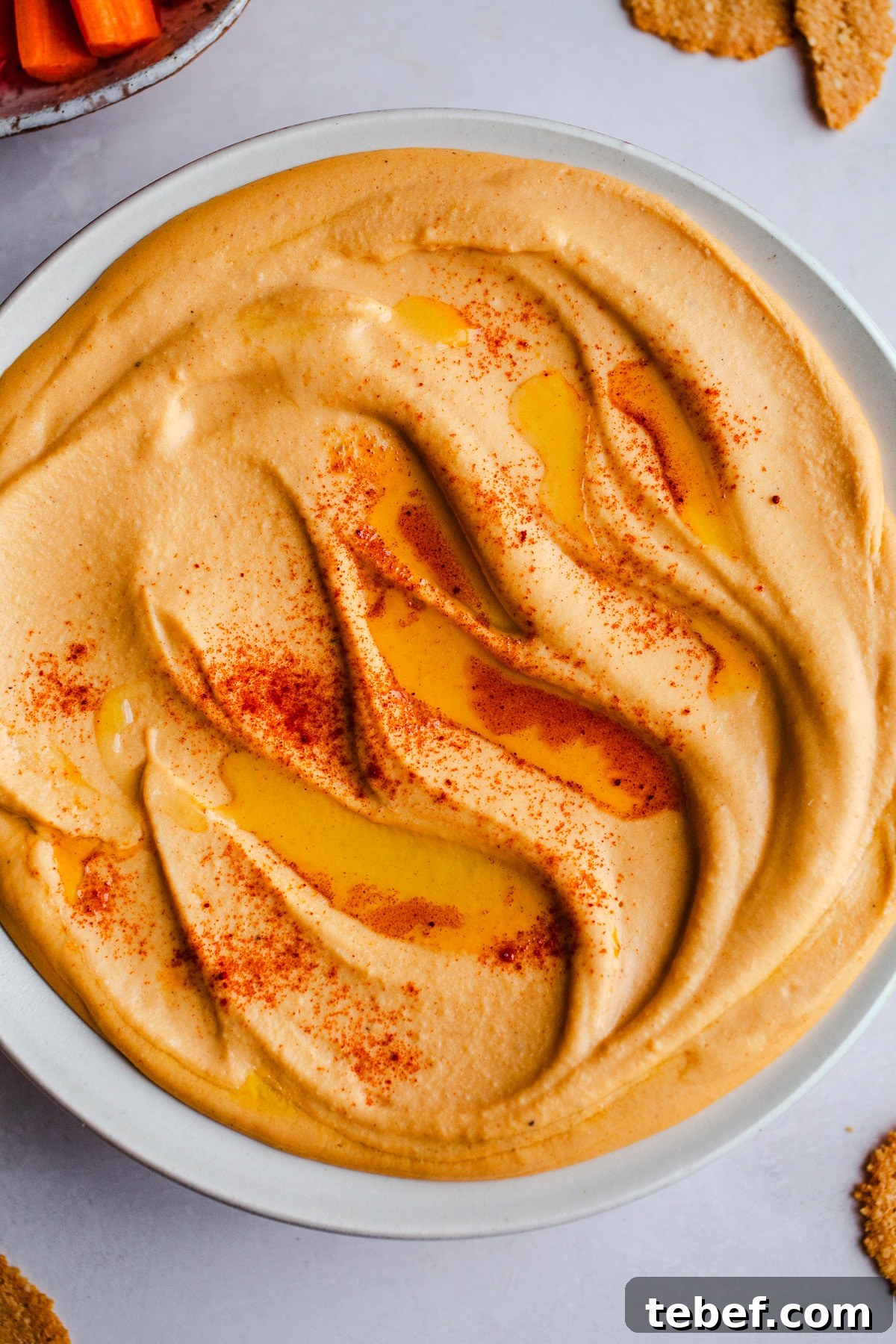
Dips – Serve with raw vegetables, flatbreads, chips, crackers, pita, or socca chips for an appetizer or snack.
Sandwiches and wraps – Use hummus as a flavorful spread on sandwiches or wraps instead of mayonnaise.
Toast – Top toast with hummus and add avocado, tomatoes, sprouts, or other toppings.
Salads – Stir hummus into salads or use it as a creamy dressing.
Bowls – Add hummus to grain, rice, or quinoa bowls for extra flavor and creaminess.
Mezze platter – Include hummus on mezze platters alongside falafel, baba ghanoush, tabbouleh, and stuffed grape leaves.
Sauces – Thin hummus with water or olive oil to create a sauce for pasta, roasted vegetables, or grilled proteins.
Dessert – Sweet versions, such as chocolate hummus, can be served as a dip for fruit or cookies.
Brands
Although the core ingredients in hummus are naturally gluten-free, some brands may risk cross-contamination or add gluten-containing ingredients. Always read product labels and allergen statements to confirm whether a specific product is safe for a gluten-free diet.
In the U.S., the FDA defines standards for “gluten-free” labeling, and independent organizations such as the Gluten-Free Certification Organization have their own certification programs that often include stricter controls and testing. Products certified by independent organizations can provide extra reassurance.
Examples of brands and products often marketed as gluten-free include store and specialty brands; however, formulations and manufacturing practices change over time, so verify current labeling before purchasing.
Making hummus at home is an easy way to guarantee ingredients and avoid cross-contamination. Homemade hummus can be prepared in a food processor or high-speed blender using simple, gluten-free ingredients.
FAQs
Traditional hummus is dairy-free. Chickpeas, tahini, olive oil, lemon juice, garlic, and salt are plant-based and do not contain dairy. Always check labels on packaged products to ensure no dairy has been added.
Tahini is a paste made from ground sesame seeds and is a key ingredient in hummus and many Middle Eastern and Mediterranean dishes.
Guar gum is a gluten-free food additive derived from the guar bean. It’s used for thickening and stabilizing and may appear in some commercial hummus varieties.
Helpful tips
- Check brand information directly. Brand websites and product pages typically provide the most current allergen and ingredient information.
- If cross-contamination is a concern, look for clear gluten-free labeling or contact the manufacturer to confirm production practices.
- A product without gluten-containing ingredients may still be processed in a facility that handles wheat, so verify facility information when necessary.
Please note: Always read food labels. Some manufacturers may include gluten or process products in facilities that handle wheat. This article is intended to highlight common practices and products but is not exhaustive or medical advice. Consult your healthcare provider for personalized guidance.