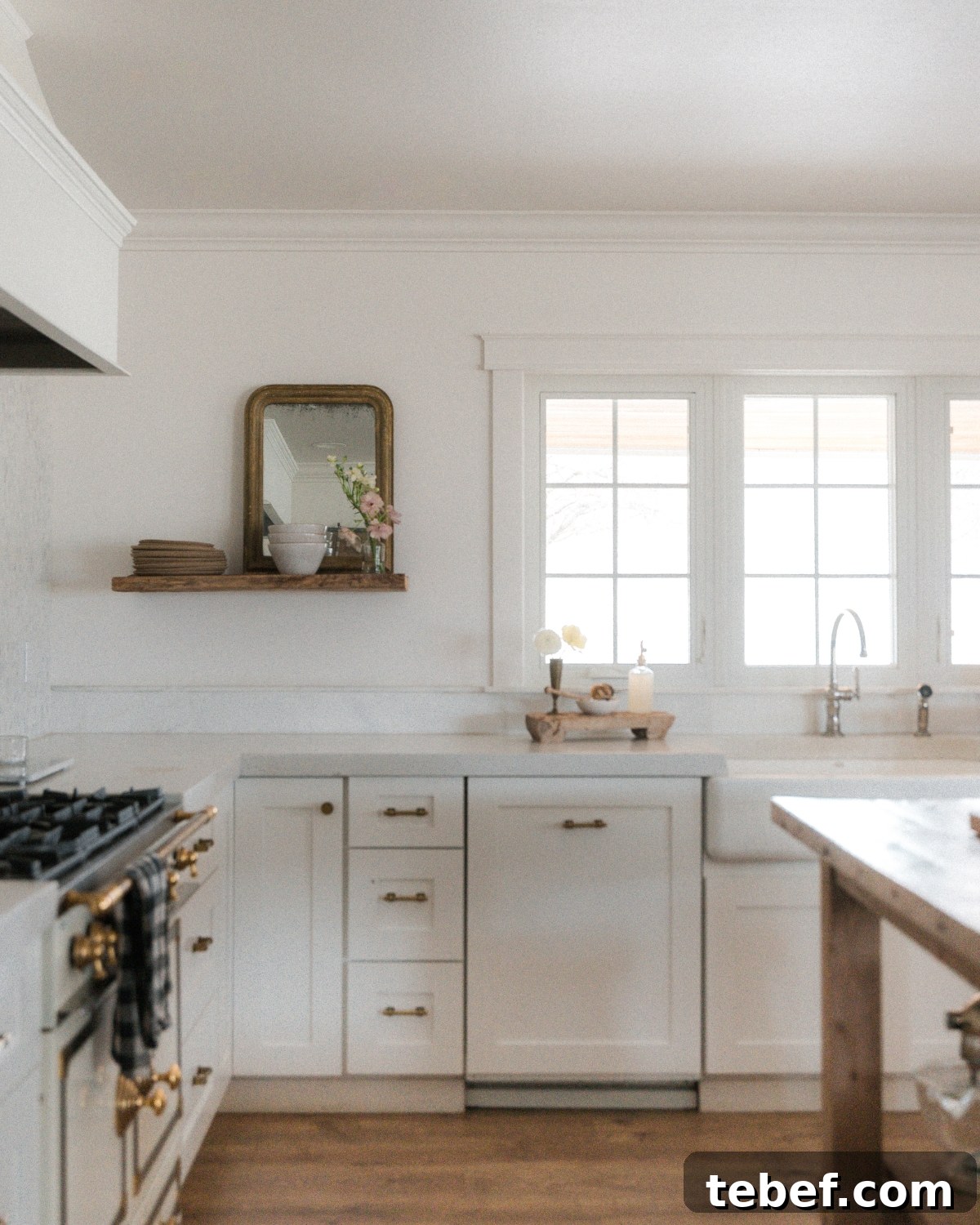
Discover essential information before choosing white concrete countertops for your home. This article outlines the advantages and disadvantages of cement countertops so you can decide whether they suit your kitchen or bathroom.
If you’re weighing this design option, read on. Based on years of living with concrete countertops in my own home, I share practical observations about their durability and costs. You may be surprised to learn that concrete counters aren’t always significantly cheaper than traditional materials like granite or marble once labor, shipping of specialty mixes, and sealants are included.
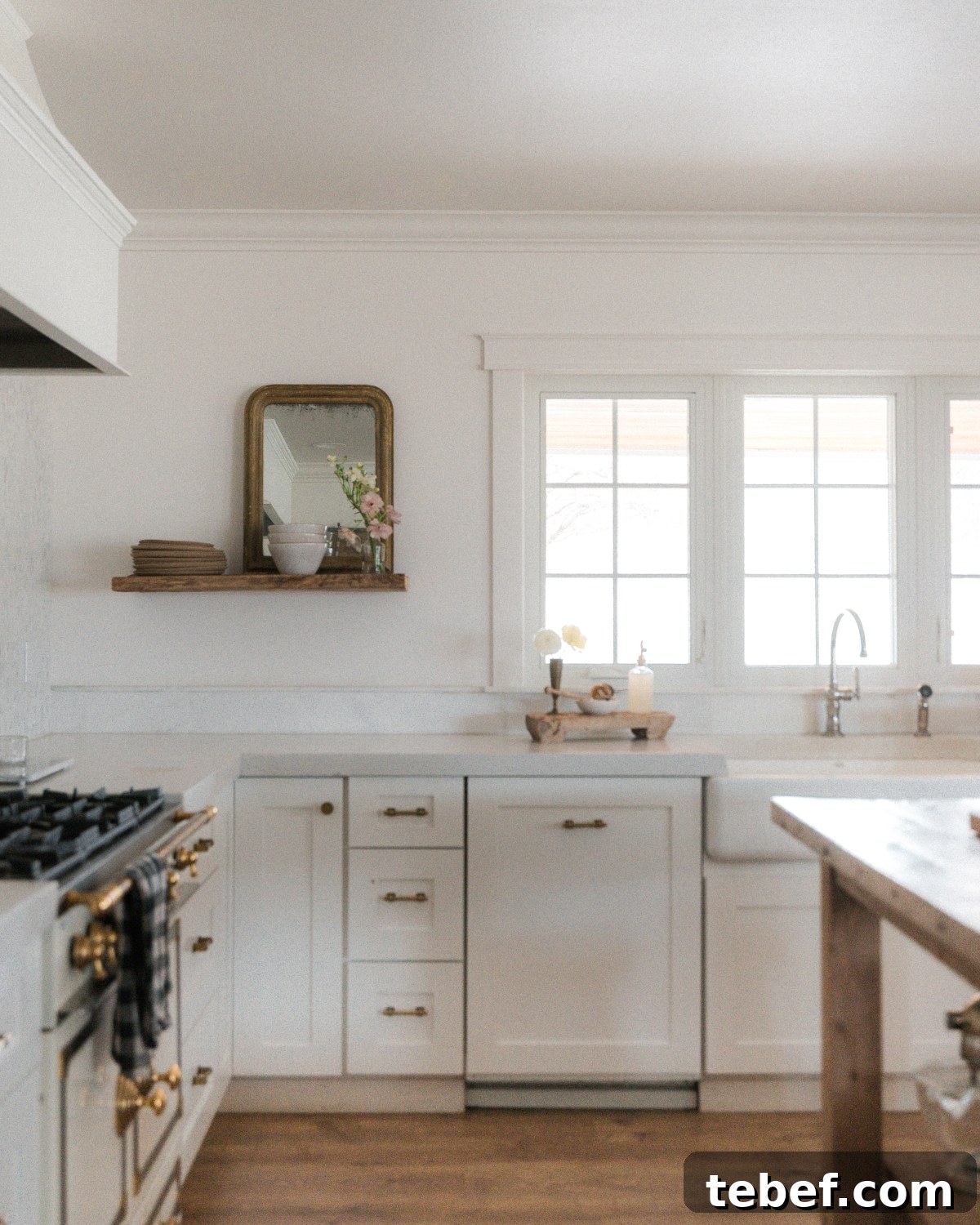
White Concrete Countertops (Cement Countertops)
Choosing countertops is a major decision. Below I offer straightforward insight into what living with white concrete countertops is really like. I love the look, but there are important downsides to understand before you commit.
Cost Considerations:
Dispelling the Myth of Affordability
Many assume concrete countertops are a low-cost alternative, but the truth is more nuanced. Countertop-grade concrete mixes are often not stocked at general hardware stores and require special ordering and shipping. Add professional labor for forming, pouring, finishing, and sealing, and the price climbs quickly.
Our experience showed that white concrete countertops can be costly once you include all materials and installation. If your primary reason for considering cement counters is saving money, investigate full project costs first. If you plan to attempt a DIY approach, be sure you factor in the learning curve and potential waste or rework.
Aesthetics:
Embracing Imperfections for a Unique Appeal
White concrete counters offer a distinct, naturally imperfect look that many homeowners love. Expect hairline cracks, subtle ripples from the leveling process, and small flecks of aggregate in the surface. Those characteristics create a handcrafted, old-world charm within a modern kitchen.
If you value a pristine, uniform appearance, concrete’s natural variations may not be for you. But if you’re drawn to custom finishes and an artisanal aesthetic, concrete can be a stunning choice.
Maintenance and Repair:
Nurturing the Resilience of Concrete Countertops
White concrete counters require regular care. Because concrete is porous, thorough sealing is essential to resist stains and scratches. Inspect sealant periodically—especially in heavy-use zones—and reapply when you notice wear or flaking. Use a mild, pH-neutral cleaner and avoid abrasive products to protect the finish.
Concrete can develop hairline cracks over time. Small cracks and surface wear are common and, depending on your tastes, can add character. For deeper damage or persistent sealant issues, professional repair ensures a durable, sanitary surface. With proper upkeep, concrete counters can remain beautiful for many years.
Trying to decide between quartz or cement countertops?
I prefer the look of the cement surface over the quartz we have in our laundry room. Concrete creates a unique focal point and pairs well with a natural stone aesthetic. That said, understand the quirks—cracking, sealing, and permanence—before choosing cement counters.
Concrete offers strong customization potential. You can tailor color, texture, and embedded materials (like glass or aggregate) to create a signature surface. This adaptability makes concrete a compelling option for homeowners seeking a personalized or unconventional countertop.
Work with a contractor who understands decorative concrete if you plan significant custom features. Their experience helps ensure consistent color, proper curing, and long-lasting finishes.
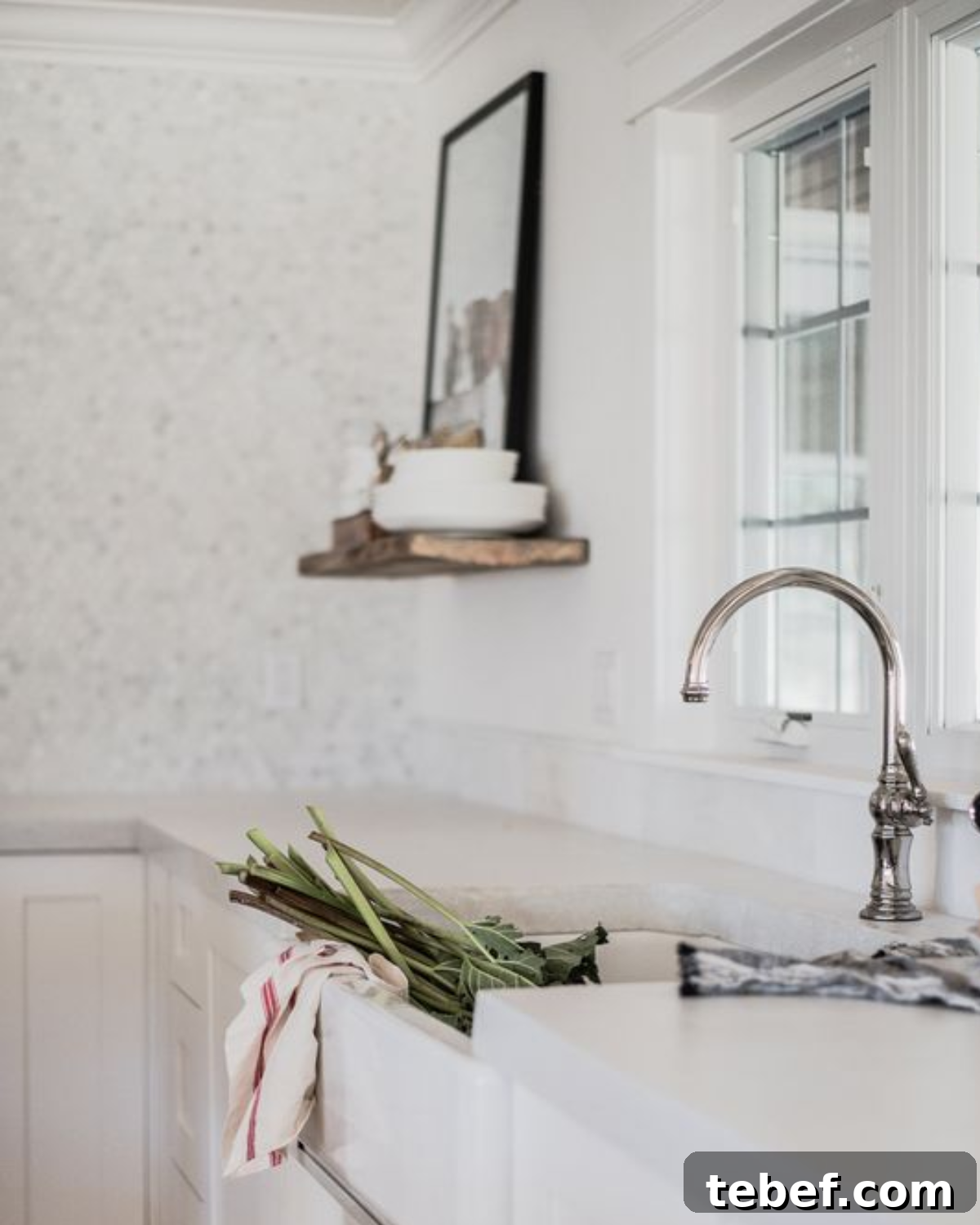
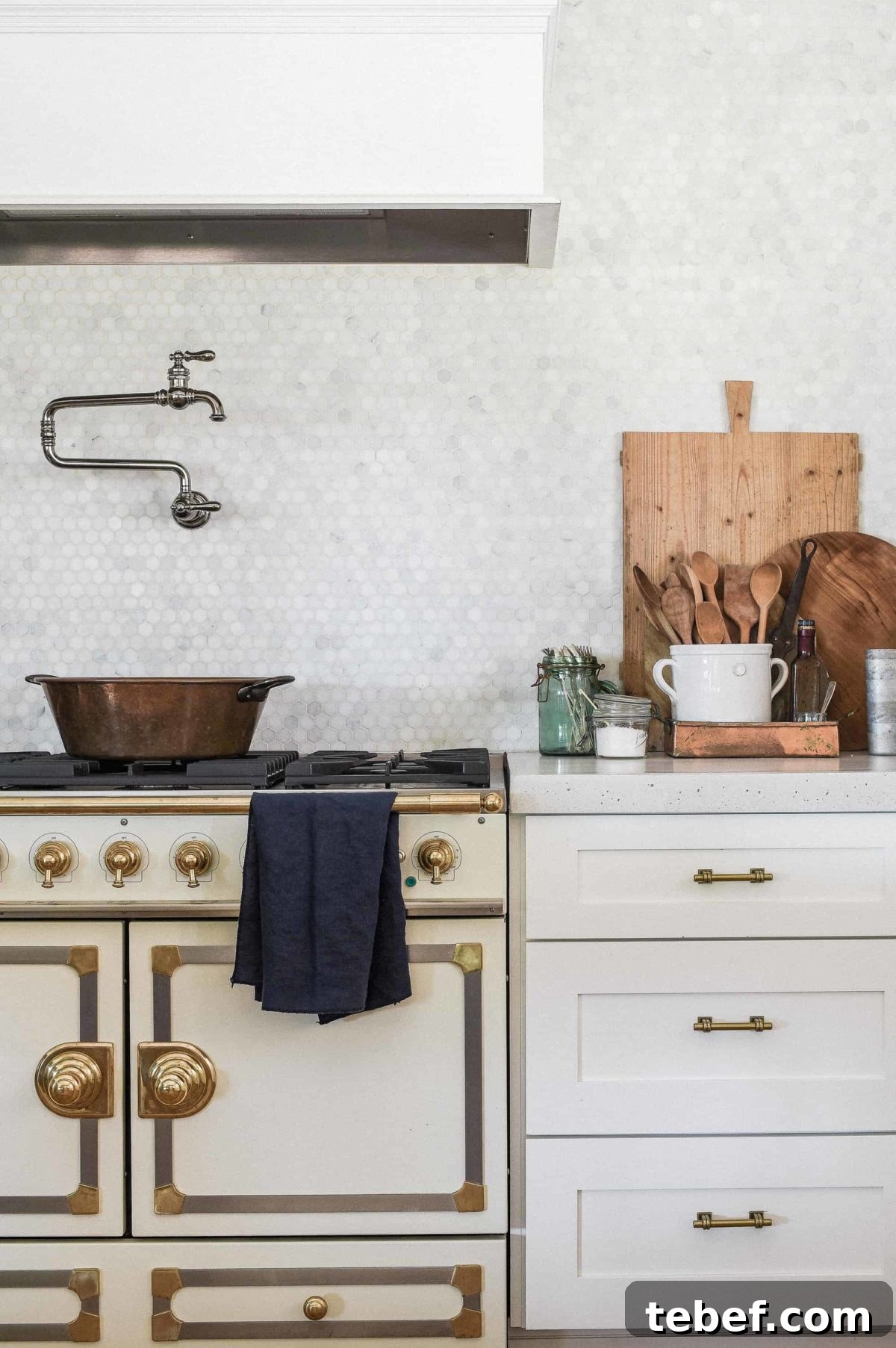
Pros of White Concrete Countertops
Concrete (cement) countertops are beautiful and unique!
I have cement, marble, and quartz in my home, and I genuinely love the cement as much as the marble. White concrete counters bring personality to a space and act as a statement element. The natural imperfections contribute to a timeless, handcrafted feel that complements both modern and traditional kitchens.
You can DIY concrete countertops
Concrete countertops can be a DIY project, but they are not necessarily inexpensive or simple. If you go the DIY route, educate yourself thoroughly—watch videos, read guides, and practice with small pours. Enlist help from someone experienced with concrete if possible. Even contractors face challenges, so allow time and patience for the learning curve.
Average Cost Considerations
When budgeting, calculate the cost per square foot including materials, shipping, formwork, labor, polishing, and sealing. Even if the raw material seems affordable, these cumulative costs can make concrete comparable to mid- to high-range natural stones. Plan realistically to avoid surprises.
Heat Resistant Properties
Concrete has good heat resistance compared with some engineered surfaces, so brief contact with hot pans is less likely to cause immediate damage. Still, avoid prolonged or extreme heat exposure and use trivets when possible to protect the finish.
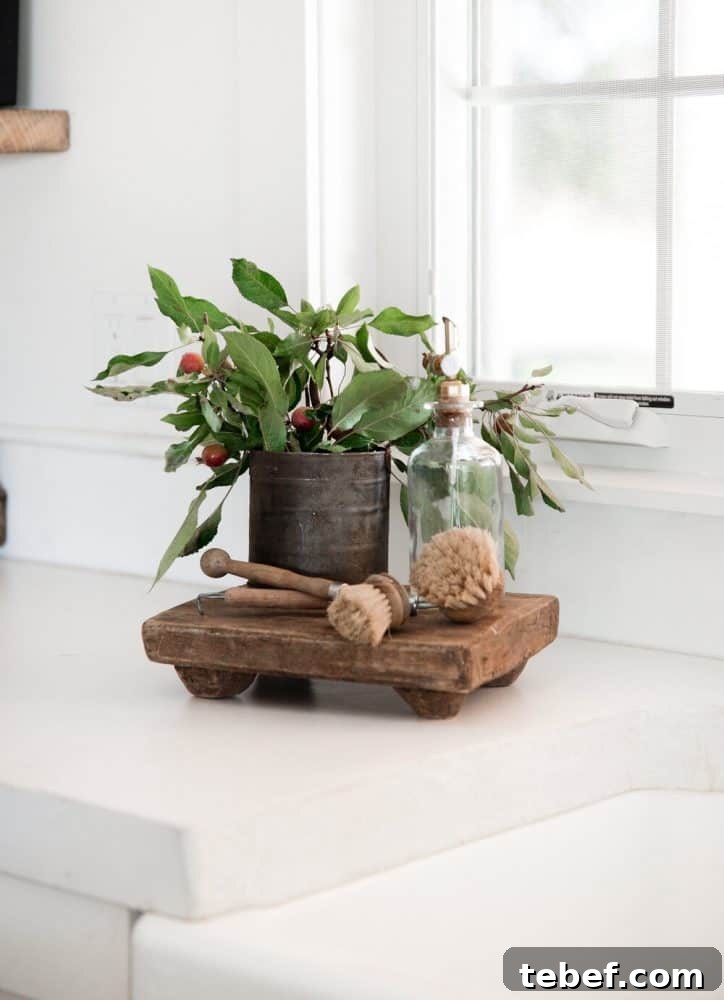
Cons of White Concrete Countertops
Cement is permanent
Cement installations are heavy and often poured in place, which makes removal difficult. Replacing poured concrete countertops typically requires demolition that can damage surrounding cabinetry. If you worry you’ll want a different look in a few years, consider whether a permanent surface is the right choice.
Concrete countertops scratch & stain easily
Concrete is more fragile than many engineered stones. White surfaces especially show stains and scratches more visibly. Proper sealing helps, but stains can still detract from the appearance if maintenance lapses. Treat cement counters more like marble than quartz in terms of care.
Sealing cement properly is difficult
Finding a long-lasting sealant that withstands daily kitchen use can be challenging. Sealants can wear, flake, or require periodic reapplication. Even after using durable systems, some owners experience ongoing maintenance to keep the surface sanitary and protected.
Cement cracks
Cracking is an inherent property of cement as it cures and responds to temperature and movement. Expect hairline cracks over time; some homeowners embrace them as part of the material’s character, while others find them unacceptable. Consider your tolerance for imperfections before choosing concrete.
Your Journey
When planning a renovation, weigh the pros and cons honestly. White concrete countertops can be a beautiful, highly customizable choice, but they come with maintenance requirements and permanence that you must accept. Consult experienced professionals to discuss finishes, edge details, embedded materials, and sealant strategies so the final result meets both your aesthetic and practical needs.
Modern concrete options include specialty mixes, embedded glass or fibers, and advanced finishing techniques that can reduce some traditional drawbacks. These high-end variations offer additional visual interest and can make concrete a compelling choice for a contemporary kitchen.
Conclusion
In summary, concrete countertops can deliver a unique, artisanal look and excellent customization options, but they require realistic budgeting, careful maintenance, and acceptance of natural imperfections like cracks and surface wear. Know your kitchen layout, review color and finish options, and plan for regular sealing to keep the surface performing well. With thoughtful planning and proper care, modern concrete countertops can be both functional and beautiful.
Read more:
White Concrete Countertops: Getting started
Pouring & Sealing Cement Countertops
The Verdict – Do we love our white concrete countertops?
Dated tile? Paint it! Learn how to paint tile here!
Explore all about Paints and Finishes
For complementary tips on finishes and color, explore related paint articles for guidance on trends, techniques, and product recommendations. A cohesive palette and the right finishes can make your renovation feel complete. Use professional advice to pair countertop choices with cabinet color, hardware, and lighting to achieve the look you want.

instant download
Little Black Book of Color
Download a paint guide to help you create a cohesive palette throughout your home. A focused guide can simplify color decisions and finishes for any renovation project.