Much like allulose, erythritol is a popular sweetener used in many low-carb and sugar-free desserts. This article explains what erythritol is, how it’s made, and the ways I use it in baking and dessert recipes.
When I first switched to a low-carb lifestyle, I worried I’d have to give up my favorite sweets. I quickly discovered many excellent substitutes for sugar and flour that preserve flavor and texture. That was a relief for anyone following keto or needing diabetic-friendly desserts.
Today I’m sharing everything I use and know about erythritol—how it works, when to use it, and sample recipes where it shines.
Frequently Asked Questions About Erythritol
There’s a lot of confusion about different sweeteners and when to use them. Below are common questions I receive about erythritol and straightforward answers to help you decide if it’s right for your recipes.
What Is Erythritol?
Erythritol is a polyol, also known as a sugar alcohol. I use it as a sugar substitute in many baking recipes because it reduces calories while providing sweetness and bulk similar to sugar.
What Does Erythritol Taste Like?
Erythritol delivers about 70% of the sweetness of table sugar. Because it’s slightly less sweet, manufacturers often blend it with other sweeteners like monk fruit to match sugar’s intensity.
How Is Erythritol Made?
Erythritol occurs naturally in small amounts in fruits such as grapes, watermelon, pears, and peaches, and in some vegetables like mushrooms. Commercial erythritol is typically produced by fermenting dextrose (a simple sugar derived from corn).
Is It a Sugar Alcohol?
Yes. Sugar alcohol is a term for a class of carbohydrates that chemically resemble both sugars and alcohols but are neither. They are not fully absorbed by the body, which is why they provide fewer calories than table sugar.
What Is the Nutritional Value of Erythritol?
Erythritol is very low in calories—about 0.24 calories per gram—making it much lower than regular sugar and some other sweeteners.
Is Erythritol Natural?
It can be considered natural in the sense that it is found in fruits, vegetables, and fermented foods like beer and some cheeses. However, the erythritol sold commercially is usually produced by fermentation to provide usable quantities.
Is It Safe to Consume?
Yes. Studies have not found serious adverse effects from erythritol when consumed in normal amounts. Some people experience mild digestive discomfort when eating large quantities of sugar alcohols, so moderation is recommended.
Is Erythritol OK on Keto?
Erythritol is keto-friendly. It contributes virtually zero calories and has no impact on net carbs, so it typically does not count toward daily carbohydrate limits on a ketogenic diet.
Does It Raise Blood Sugar Levels?
No. Erythritol is absorbed into the bloodstream but is not metabolized into glucose, so it does not cause spikes in blood sugar or insulin. That makes it a useful option for people managing blood sugar levels. As always, individuals with medical conditions should consult their healthcare provider.
Can You Bake With Erythritol?
Yes. Erythritol comes in granulated and powdered forms that can replace table sugar in many recipes. Be aware that granulated erythritol can remain slightly cooling or crystalline in texture in some fillings, so powdered erythritol is often preferred for frostings or smooth creams.
Below are some of my favorite dessert recipes where I use erythritol to keep treats low-carb and delicious.
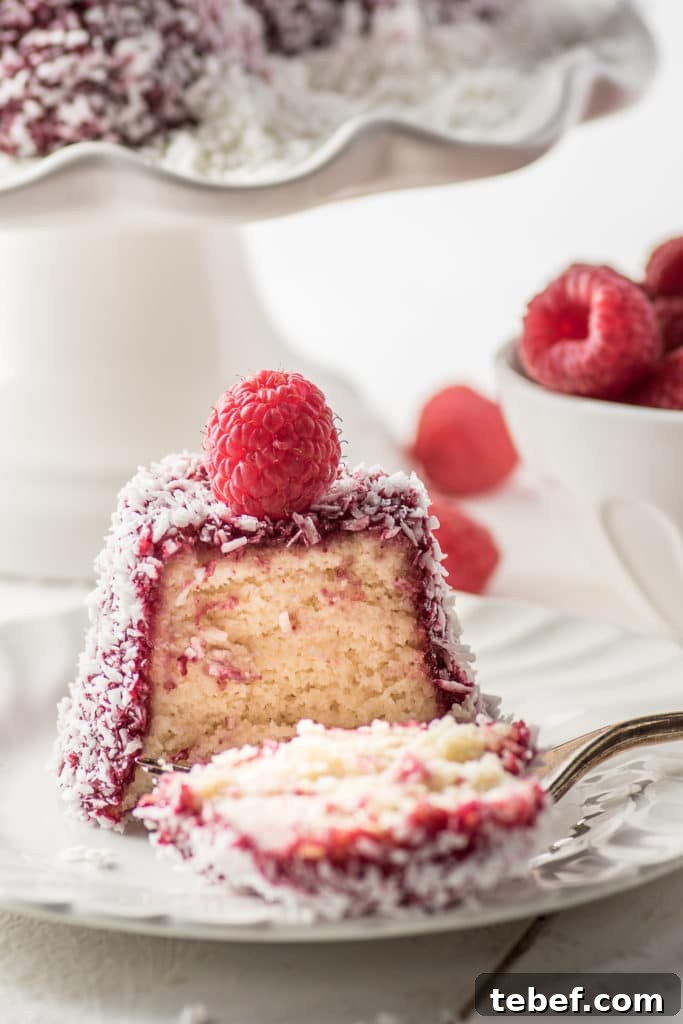
Little English Madeleine Cakes
These delicate sponge cakes are perfect for an afternoon tea. I used erythritol in the raspberry jam, the vanilla cake batter, and the coconut coating to keep the cakes low in sugar while preserving a pleasant sweetness and texture.
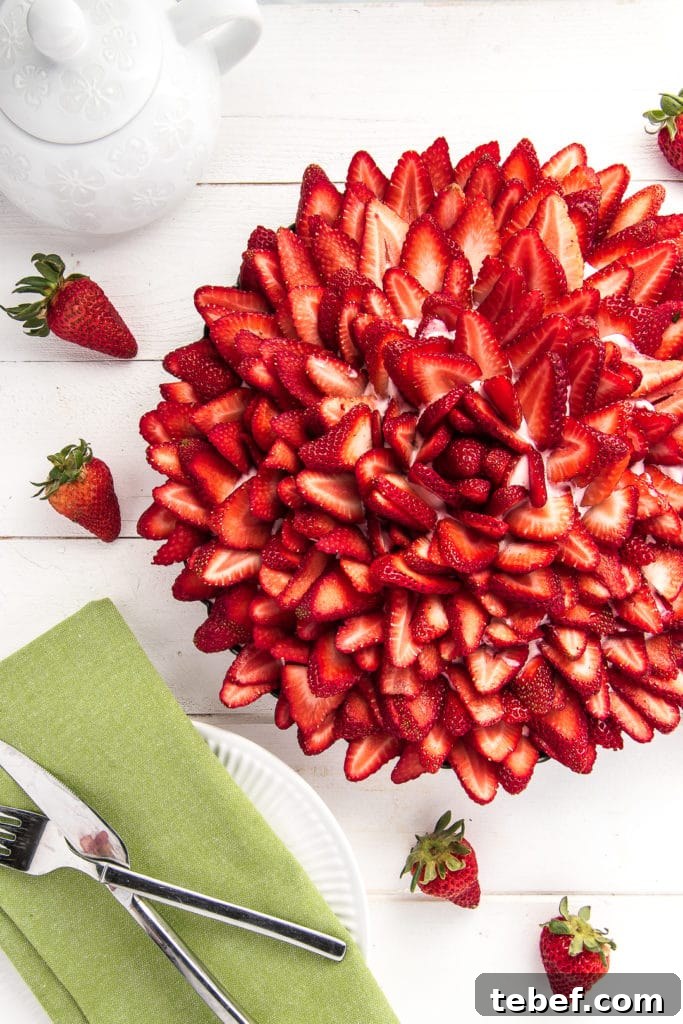
Strawberry Cream Pie with Coconut Cookie Shortbread Crust
This pie pairs fresh strawberries with a creamy filling and a buttery coconut shortbread crust. I use powdered erythritol in the filling for a smooth texture and granulated erythritol in the crust for structure. The result is tart, sweet, and indulgent without added sugar.
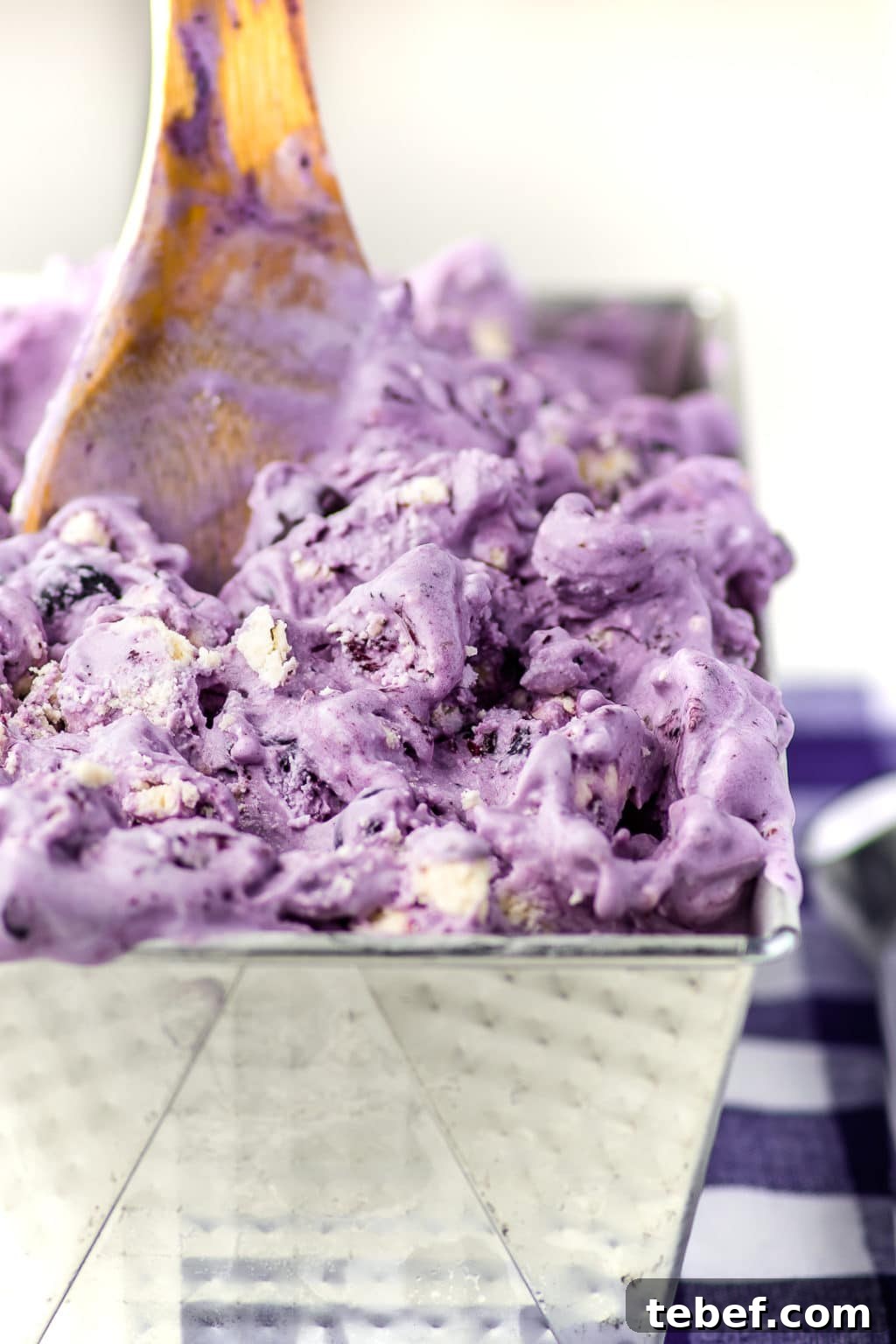
Blueberry Cheesecake Ice Cream with Real Bits of Cheesecake
This creamy dessert combines frozen blueberries, almond milk, and cream cheese for a tart, silky ice cream. I sweeten the base with powdered erythritol to avoid graininess and to keep it keto-friendly and gluten-free.
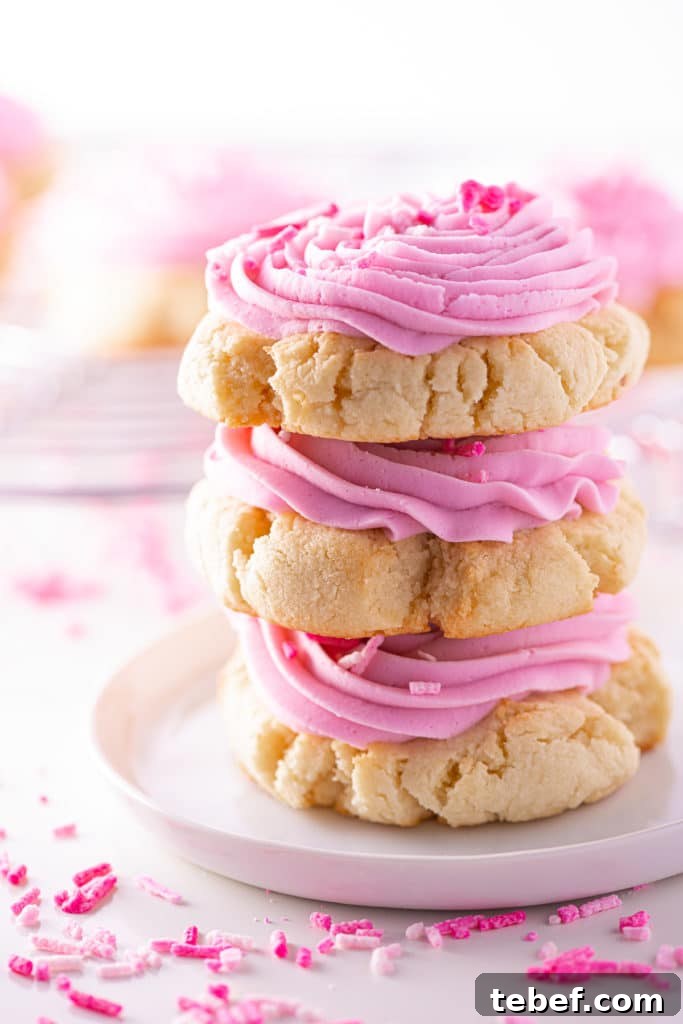
Melt-In-Your-Mouth Frosted Keto Sugar Cookies
These frosted cookies recreate the sugary childhood classics using erythritol. I use about 3/4 cup in the cookie dough and roughly 1/3 cup in the frosting. They have that nostalgic taste and texture while remaining low in carbs.
A small tip: using a bit of protein powder in the dough adds structure and a pleasant mouthfeel to these keto cookies.
More Recipes To Try
If you want additional ideas for using erythritol, try these dessert recipes that adapt well to sugar substitutes:
- Epic Low Carb Raspberry Cheesecake
- Gluten-Free Blueberry Cheesecake Bars
- Low Carb Cupcakes with Roasted Strawberries and Creamy Vanilla
- Keto PB + J Muffins

In recipes, erythritol often swaps 1:1 with sugar. Because it’s slightly less sweet, you may prefer a 1.25:1 ratio in some preparations. Use powdered erythritol for smooth fillings and frostings, and granulated for batters and crusts where structure is important. Enjoy experimenting and savoring low-sugar treats made with erythritol!