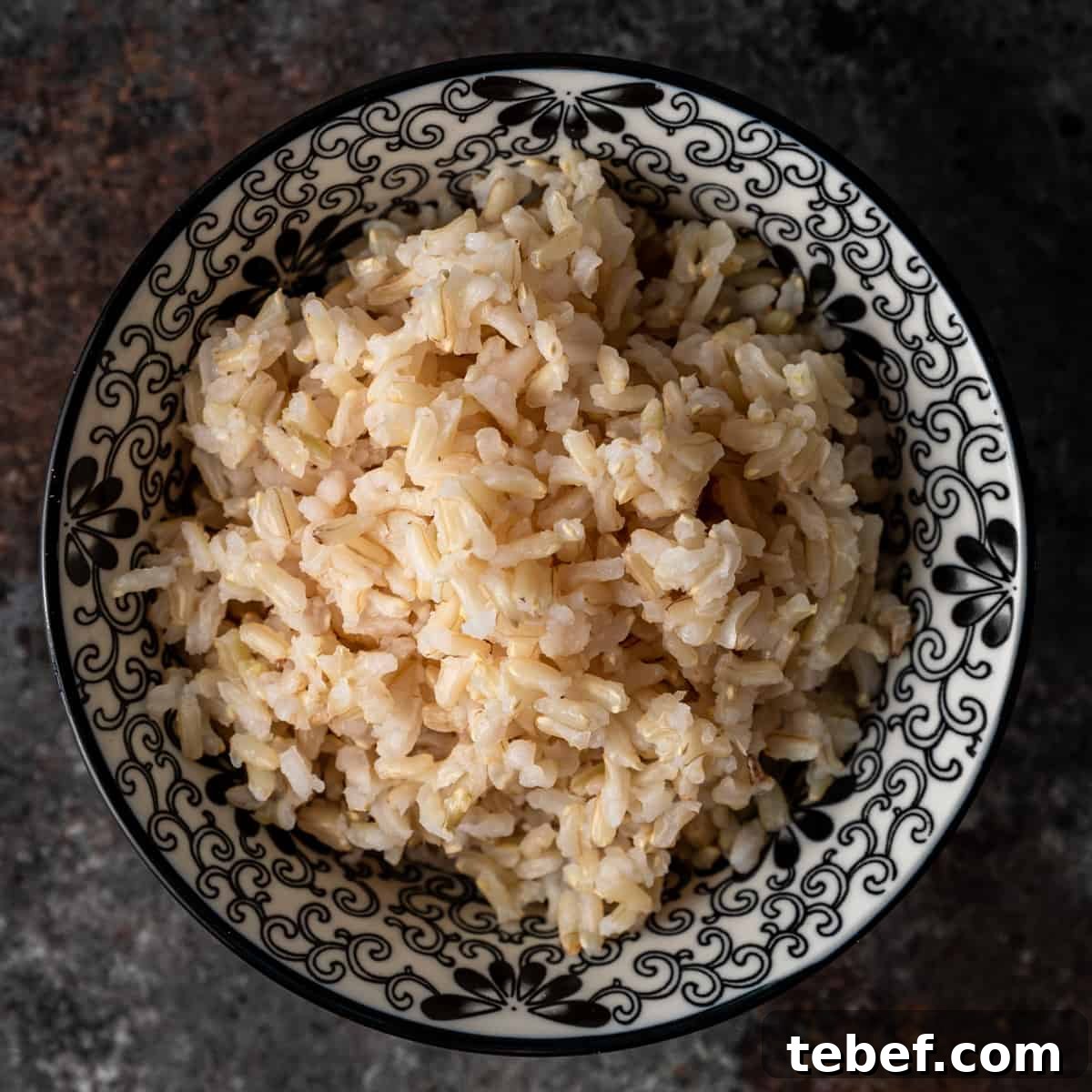
Rice is one of my favorite side dishes — versatile and easy to pair with almost anything. While I often choose white rice, I enjoy making brown rice when I want a nuttier, earthier flavor and a less processed option. Brown rice brings a warm, complex taste that enhances many meals.
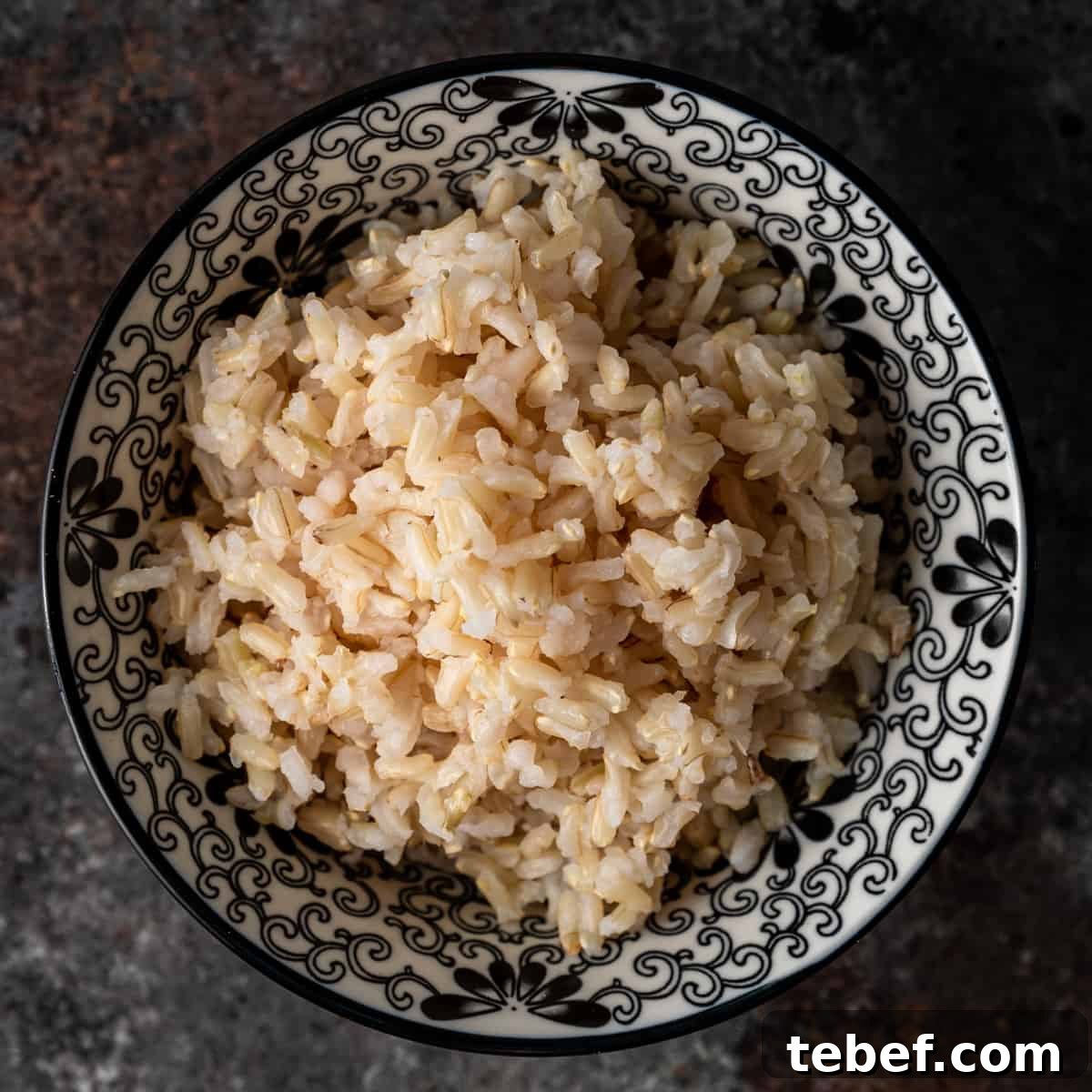
I like serving brown rice alongside dishes such as sweet chili glazed salmon, baked sesame chicken, and broccoli beef stir fry. It makes meals heartier and adds a satisfying texture and flavor.
This guide explains how to cook brown rice and covers:
- The main types of brown rice
- Several reliable cooking methods
- Serving ideas and recipe suggestions
Read on to learn simple techniques for consistently tender, fluffy brown rice.
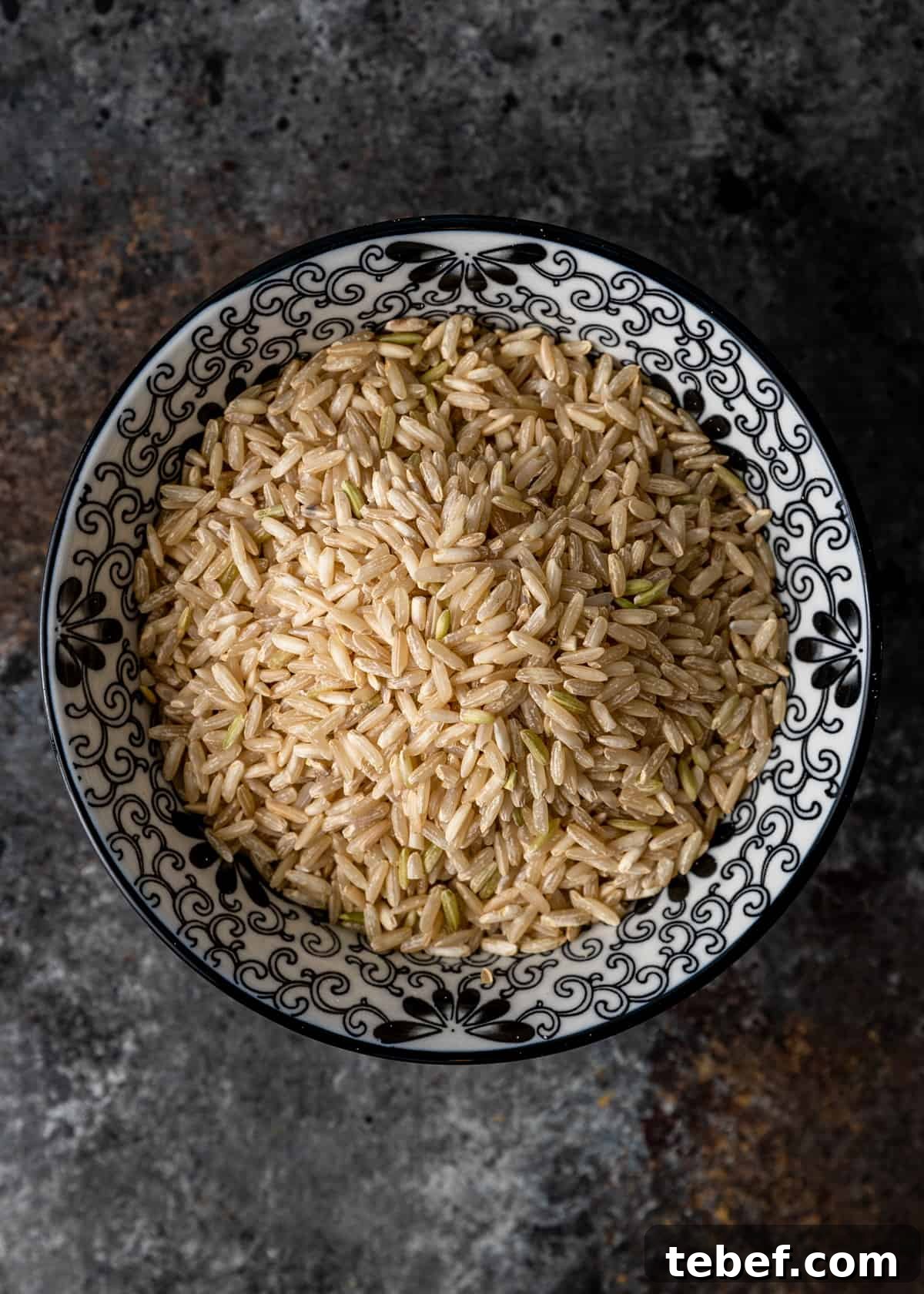
How to Cook Brown Rice
Brown rice retains the bran layer, so it needs more water and a longer cooking time than white rice. The right water amount and method make the difference between perfectly cooked grains and rice that’s either gummy or underdone.
For brown rice, avoid relying strictly on the precise “absorption” method used for many white rice varieties. Instead, use methods that ensure even cooking and proper hydration without gummy results. One effective technique is to boil like you would pasta, drain, then let the rice steam briefly in the pot. This produces evenly cooked, fluffy rice without excess moisture at the bottom of the pan.
Cooking times vary by rice type and method. Below are clear instructions for the common varieties and tools you might use.
Different Types of Brown Rice
Any rice that still has its hull is considered brown rice, but the most common varieties you’ll encounter are:
- Short grain: Small, round grains that become quite sticky when cooked — often used for sushi-style preparations.
- Medium grain: Slightly longer than short grain, medium grain is somewhat sticky and is the most common brown rice variety.
- Long grain: The longest grains, which cook up fluffy with minimal stickiness — great for salads and pilafs.
- Basmati: A fragrant long-grain variety with a firm, non-sticky texture when cooked, ideal when you want distinct, separate grains.
How to Cook Brown Rice on the Stove
This straightforward stovetop method works especially well for medium and long-grain brown rice and basmati.
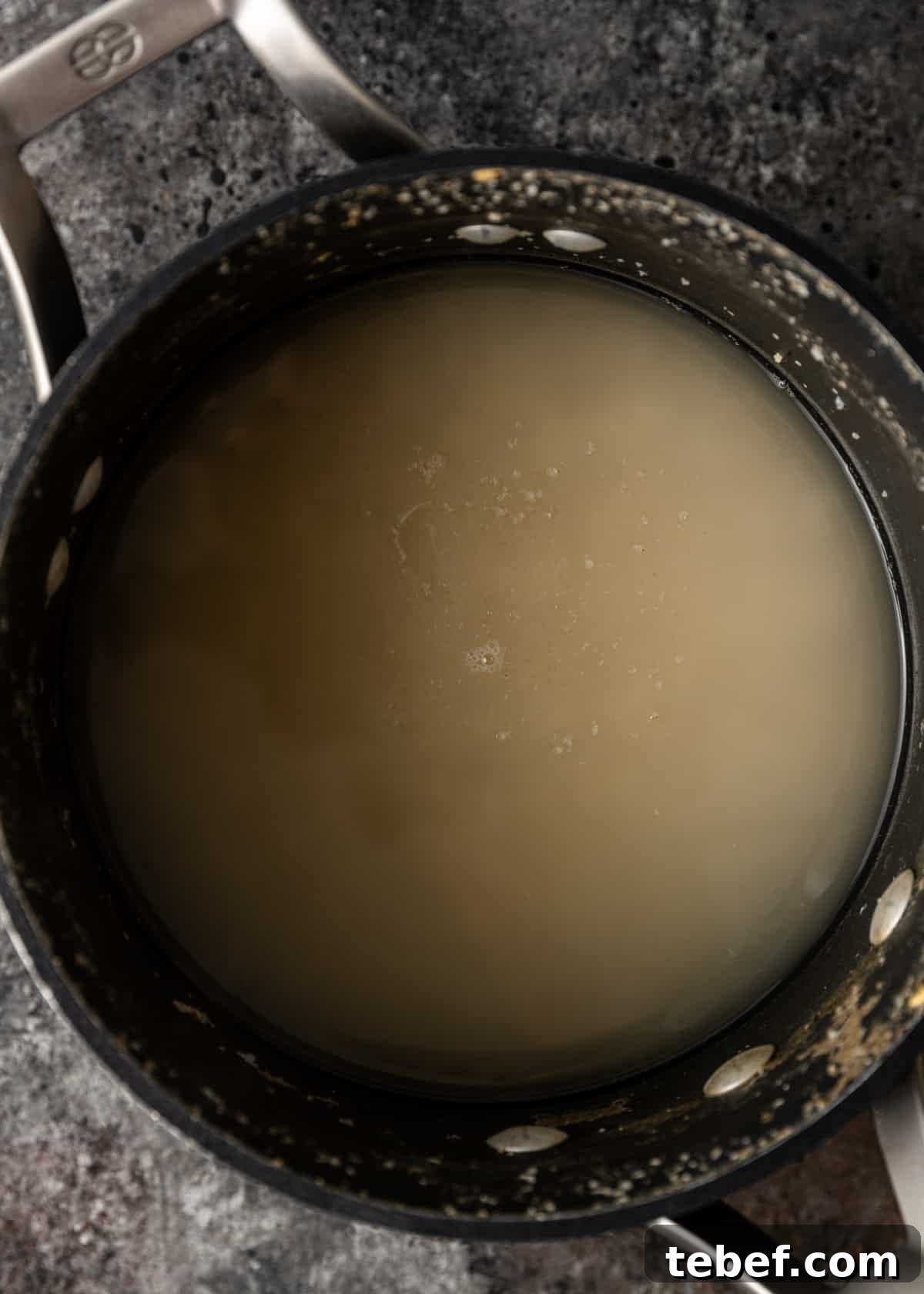
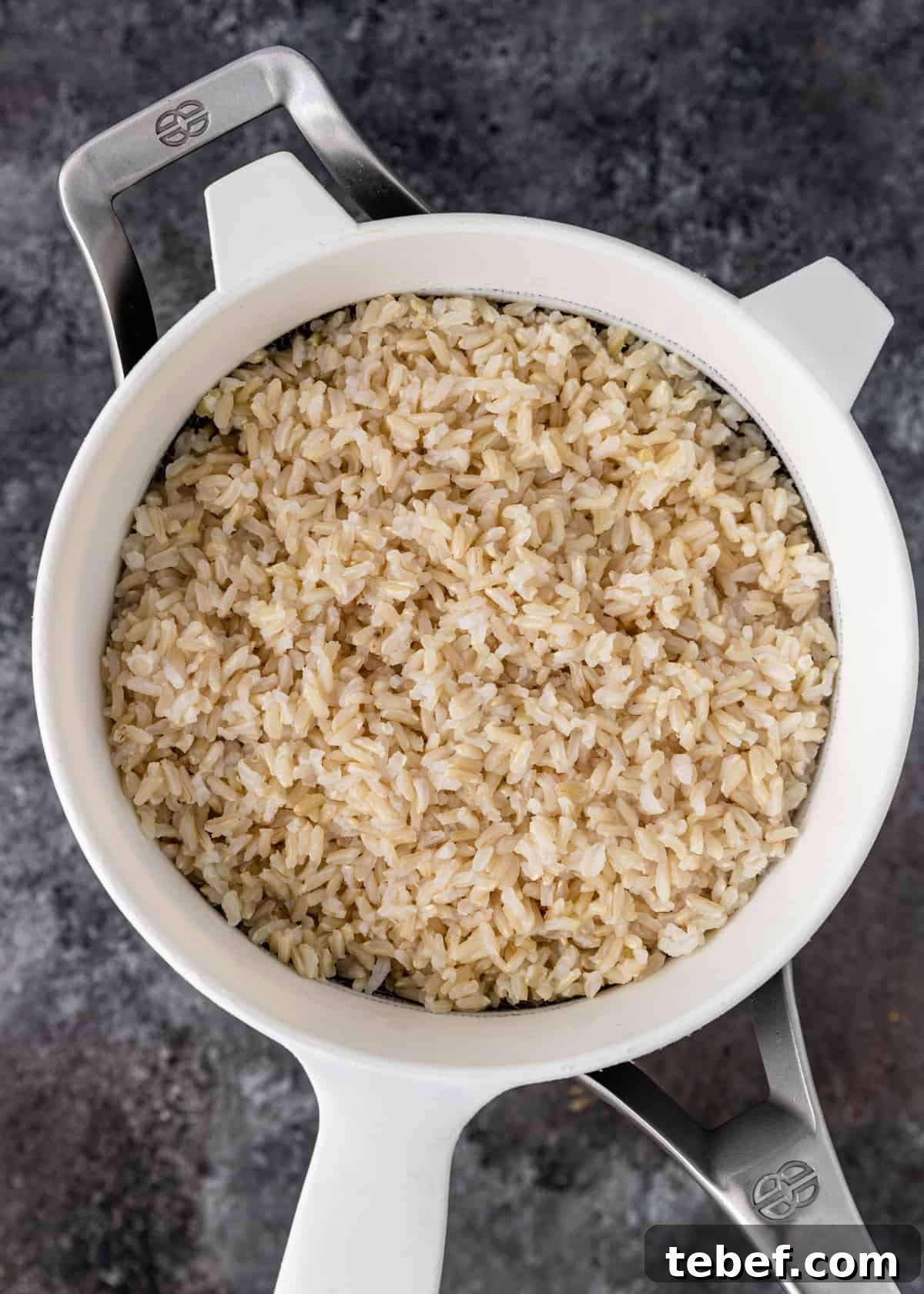
Step 1: Bring 8 cups of water to a rolling boil in a saucepan over high heat.
Step 2: Add 1 cup of dry brown rice and boil until the grains are just tender. Expect roughly 30 minutes for medium and long-grain rice; basmati will generally take 12–14 minutes.
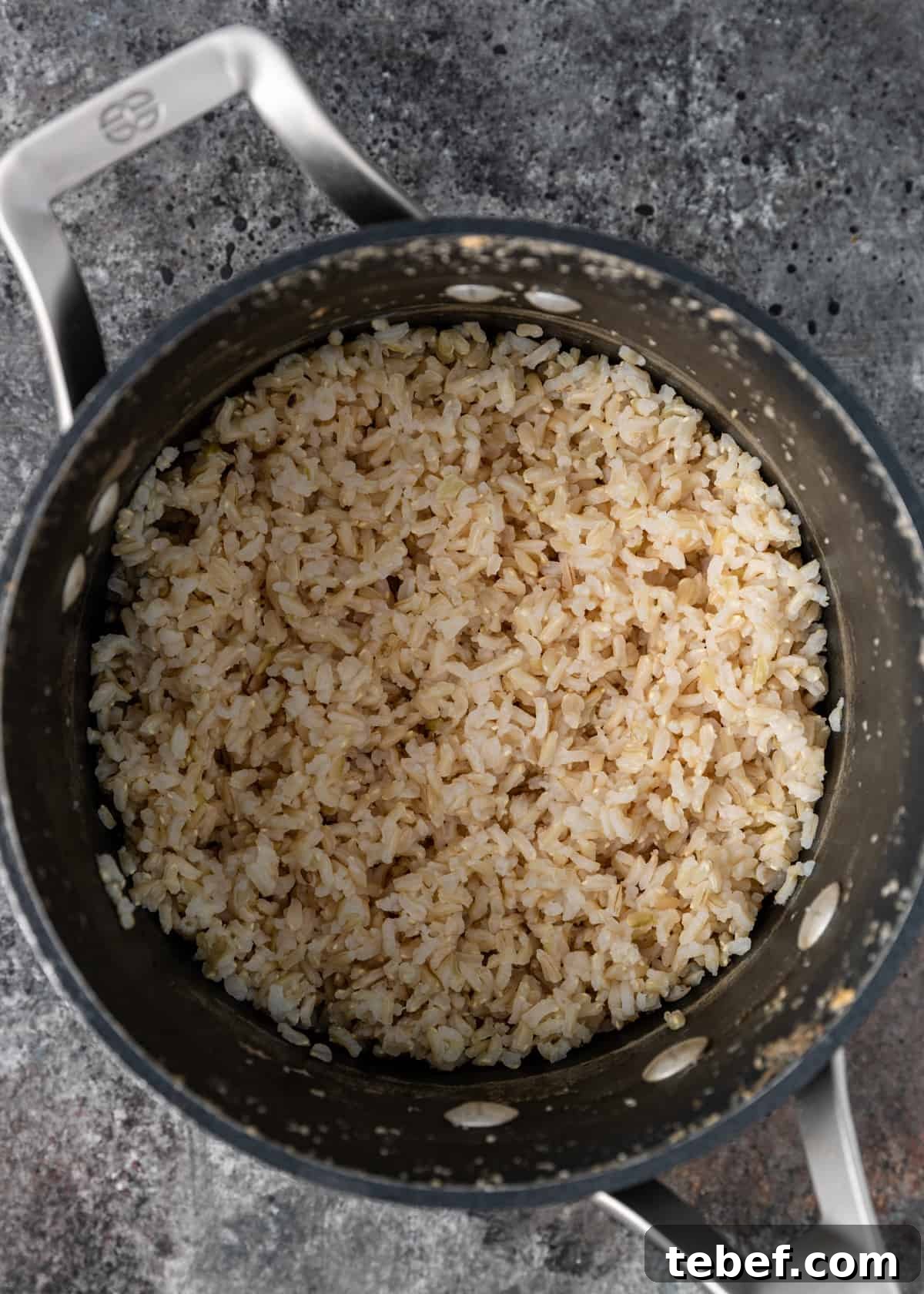
Step 3: Drain the rice thoroughly, return it to the saucepan, cover, and let it rest for 10 minutes. Fluff with a fork before serving.
How to Cook Brown Rice in an Instant Pot
The Instant Pot or another electric pressure cooker is an excellent option for long-grain brown rice.
Step 1: Combine 1 cup dry brown rice with 1½ cups water in the Instant Pot. Add ¼ teaspoon salt if desired.
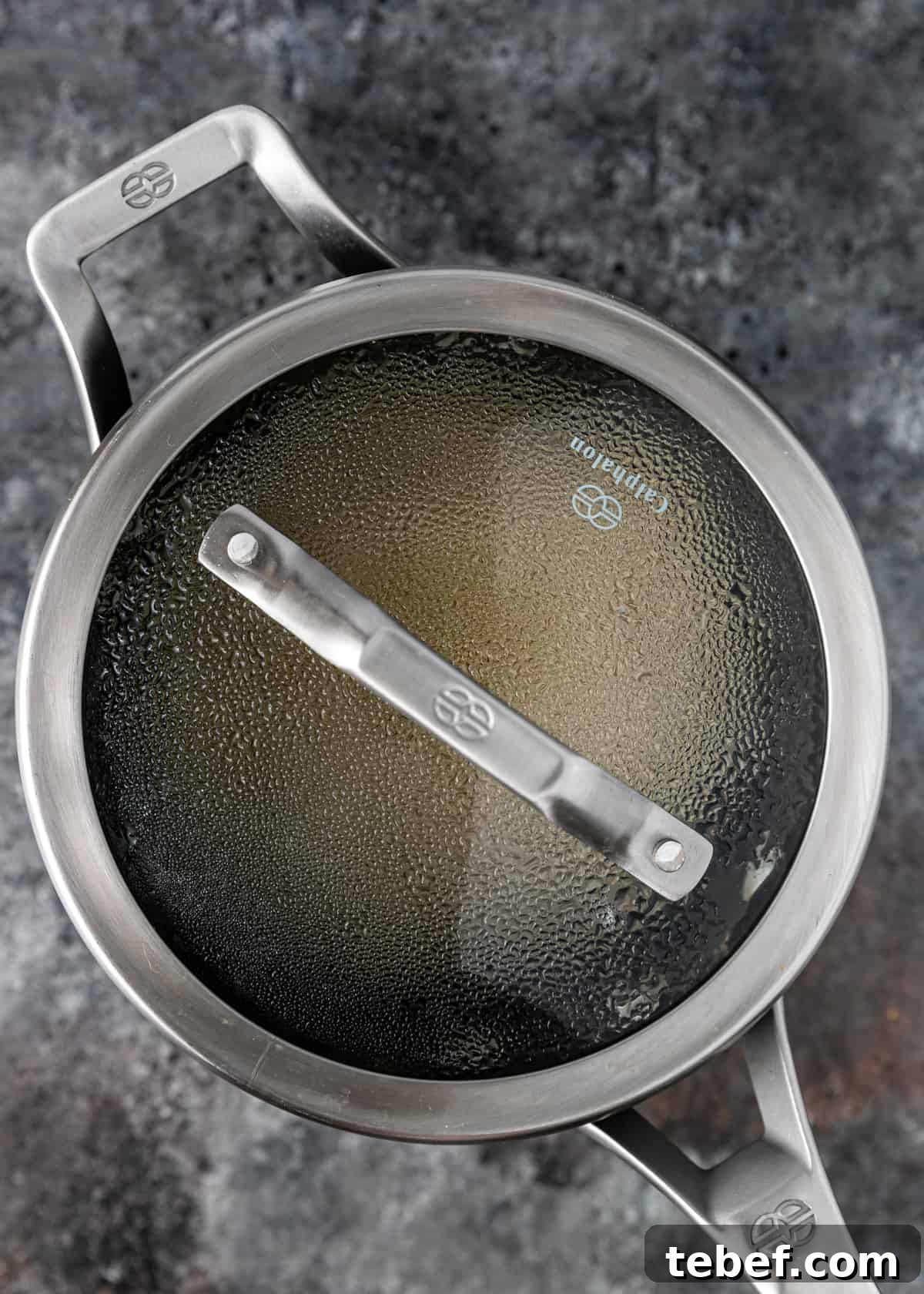
Step 2: Lock the lid, set to Seal, and pressure cook on High for 15 minutes. Allow a natural pressure release for 10 minutes.
Step 3: Turn the vent to release any remaining steam, then fluff the rice with a fork and serve.
How to Cook Brown Rice in the Microwave
The microwave is a convenient choice that works for all brown rice types; short-grain may need a few extra minutes.
Step 1: Place 1 cup dry brown rice and 3 cups water in a large microwave-safe dish.
Step 2: Microwave uncovered on High for 10 minutes. Then reduce to Medium, cover with a vented lid, and microwave for an additional 20 minutes.
Step 3: Let the rice sit briefly, then fluff with a fork before serving.
How to Cook Brown Rice in a Rice Cooker
A rice cooker offers a simple, hands-off approach. Adjust water amounts according to grain size: short-grain needs more water than long-grain.
Step 1: For short-grain, combine 1 cup dry rice with 2 cups water; for long-grain, use about 1¼ cups water per cup of rice. Stir to evenly distribute.
Step 2: Press Start. Cooking time varies by machine but is typically around 45 minutes.
Step 3: Let the rice rest in the cooker for 5 minutes, then fluff with a fork before serving.
Ways to Use Brown Rice — Serving Suggestions
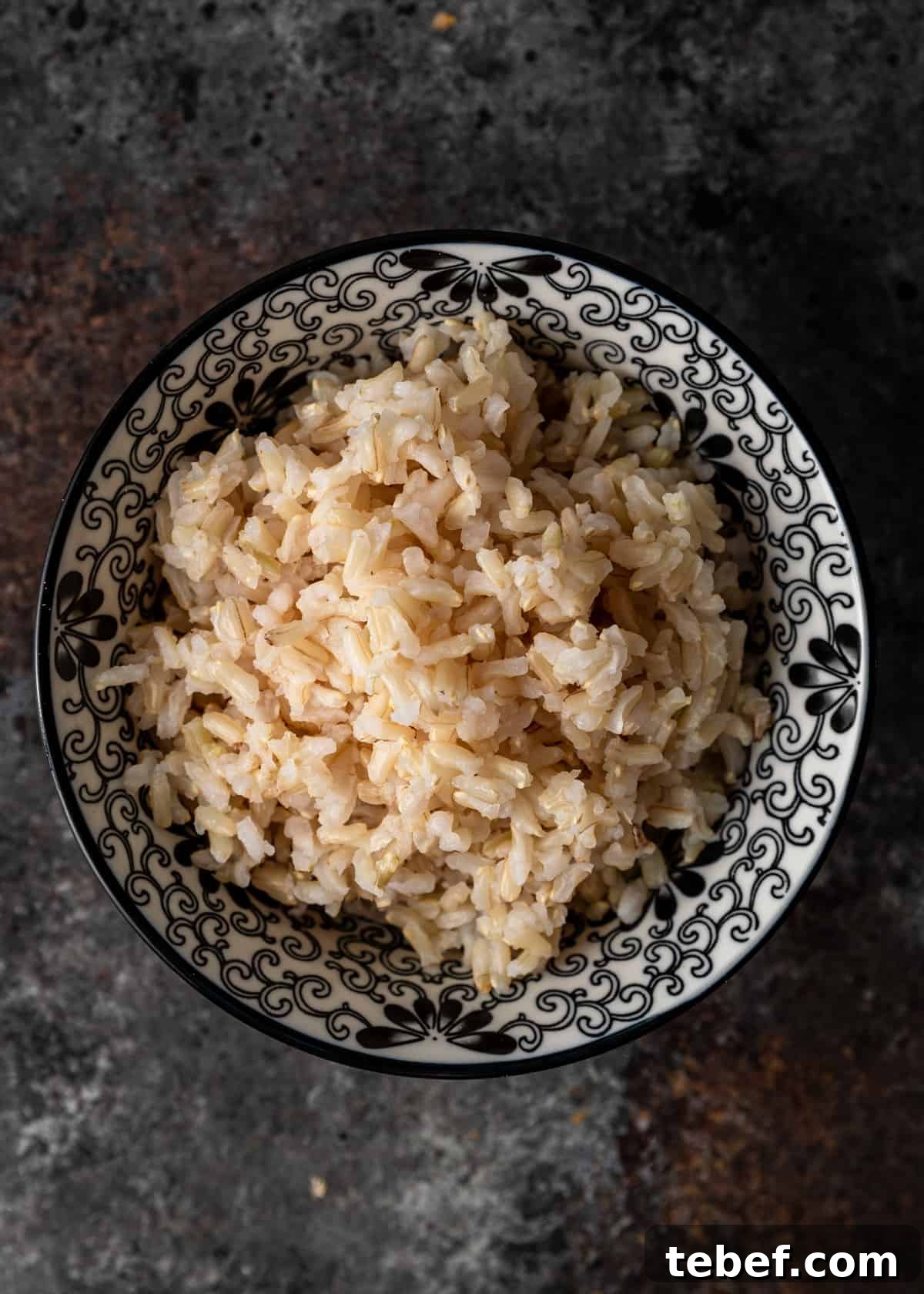
Brown rice is extremely versatile. Try these ideas:
- In stir-fries & fried rice: Use brown rice as the base for vegetable, seafood, meat, or plant-based stir-fries and fried rice.
- In salads & soups: Swap noodles or other grains for brown rice to add texture and substance to salads and soups.
- In burritos & wraps: Add brown rice to wraps and burritos to bulk them up and add chewiness.
- As a substitute for white rice: Use brown rice wherever you would normally use white rice for a nuttier flavor and more fiber.
5 Brown Rice Recipe Ideas
Here are a few dishes that pair beautifully with brown rice:
- Thai gai yang chicken
- Filipino chicken adobo
- Hong shao rou (braised pork belly)
- Beef rendang curry
- Flanken ribs with bulgogi-style sauce
FAQs
What is the Water-to-Rice Ratio for Brown Rice?
Ratios depend on the cooking method:
- Stovetop: About 8 cups of water per 1 cup of dry brown rice for the boil-and-drain method described above.
- Instant Pot (pressure cooker): 1½ cups water per 1 cup dry rice.
- Microwave: 3 cups water per 1 cup dry rice.
- Rice cooker: Between 1¼ and 2 cups water per 1 cup dry rice, depending on grain size and your machine.
How Long Does it Take to Cook Brown Rice?
Times vary by method and rice variety. Pressure cooking plus natural release typically takes around 25 minutes total. Stovetop, microwave, and rice cooker methods usually fall between 30 and 45 minutes, depending on grain size and technique.
Do You Need to Wash Brown Rice?
Rinsing brown rice is optional. Some cooks rinse to remove dust or excess starch, while others skip it. If you rinse, you may want to slightly reduce the cooking water by a couple of tablespoons to account for water absorbed during rinsing. Try both approaches to see which texture you prefer.