The Produce Moms is proud to partner with the Produce for Better Health (PBH) Foundation to celebrate Food Rooted In A Better Mood® for national Mental Health Month.
Making homemade potpourri is simple, and you likely already have many of the ingredients in your kitchen. This guide shows you how to make potpourri at home using leftover fruit and vegetable scraps. Once you smell the fresh, natural aromas, you may never buy commercial potpourri again.
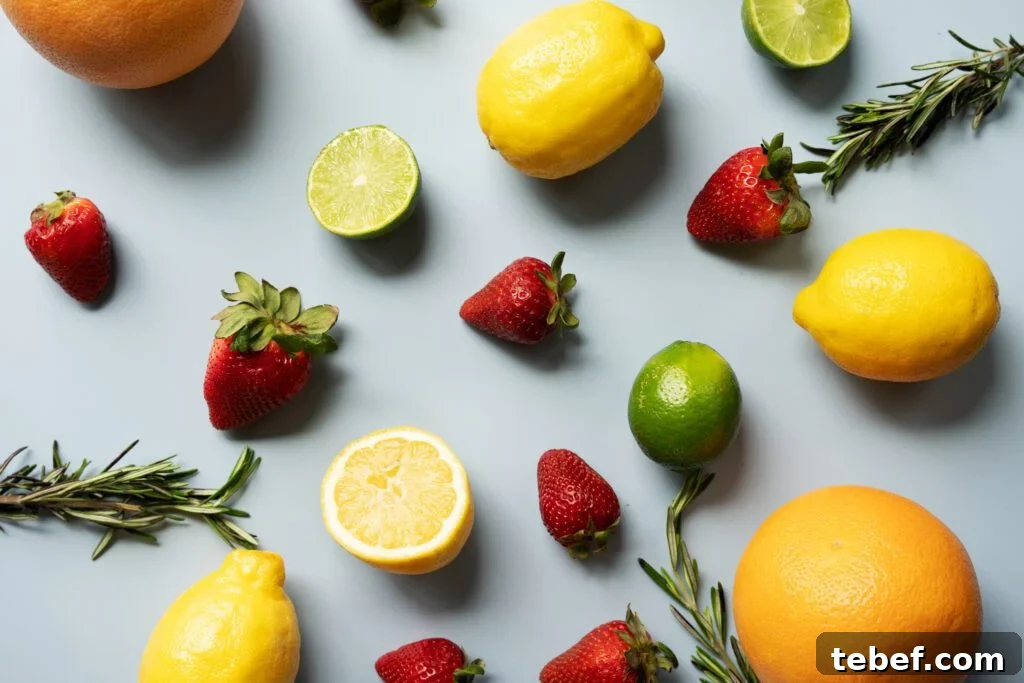
How to Make Homemade Potpourri using Fruit and Veggies
Homemade potpourri made from fruit and vegetables adds color and a pleasant fragrance to any room. It’s an enjoyable project for adults and children alike. You’ll save money, reduce waste, and be able to tailor the scent profile to your liking.
Customize combinations of citrus peels, herbs, spices, and essential oils to create a signature fragrance for your home, office, or car.
What is Potpourri?
Potpourri is a blend of dried botanicals—flowers, herbs, spices—often enhanced with essential oils. In this version, leftover fruit and vegetable scraps become fragrant, decorative elements. Potpourri can be assembled from fresh ingredients and dried for longevity, or used fresh for immediate scenting.
Why Make Your Own?
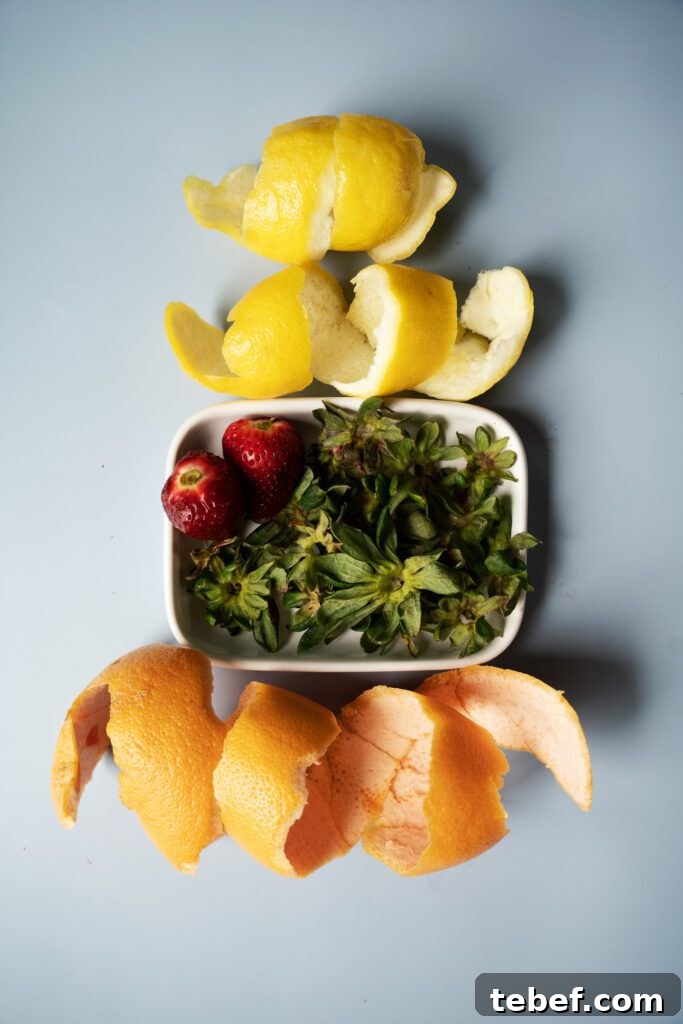
Creating potpourri at home is both therapeutic and practical. It’s an economical alternative to store-bought products, lets you control ingredients and fragrance strength, and gives new purpose to fruit and vegetable scraps that might otherwise be discarded.
Experiment with colors and scent blends—citrus for freshness, dried berries for sweetness, and herbs like rosemary or mint for a green lift.
How to Use Fruits and Vegetables in Homemade Potpourri
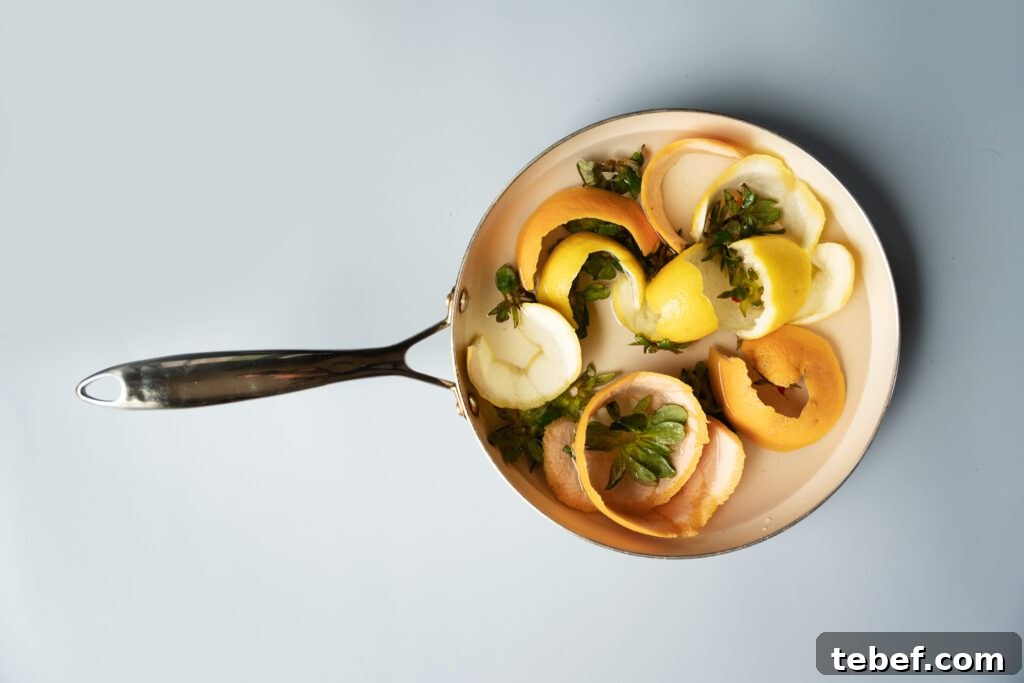
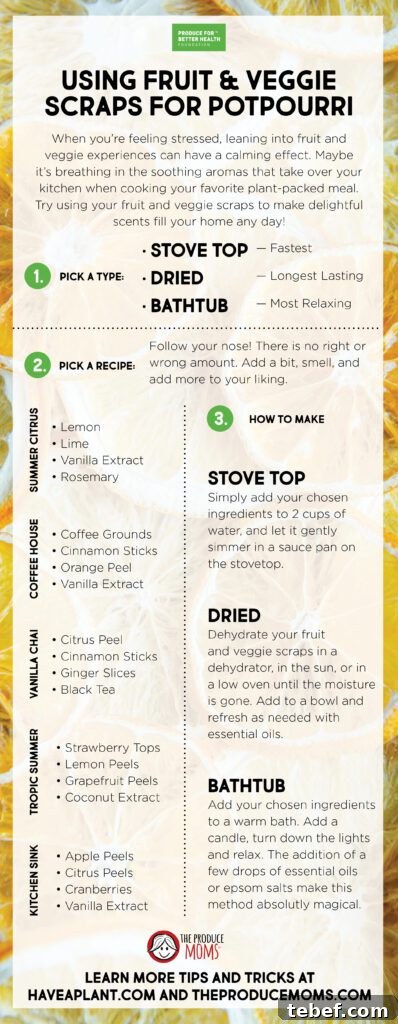
There are several ways to enjoy your potpourri: simmer it on the stovetop, use dried mixes in bowls and jars, or add pieces to a warm bath for a spa-like experience. The stovetop simmer is the quickest way to release scent, while fully dehydrated ingredients provide the longest-lasting aroma. For a relaxing bath, drop a handful of potpourri into the running hot water to infuse the room and the water with natural fragrance.
How to Dry Fruit
Drying fruit and vegetables properly is key to long-lasting potpourri. Fully dried ingredients resist mold and retain scent longer than fresh pieces.
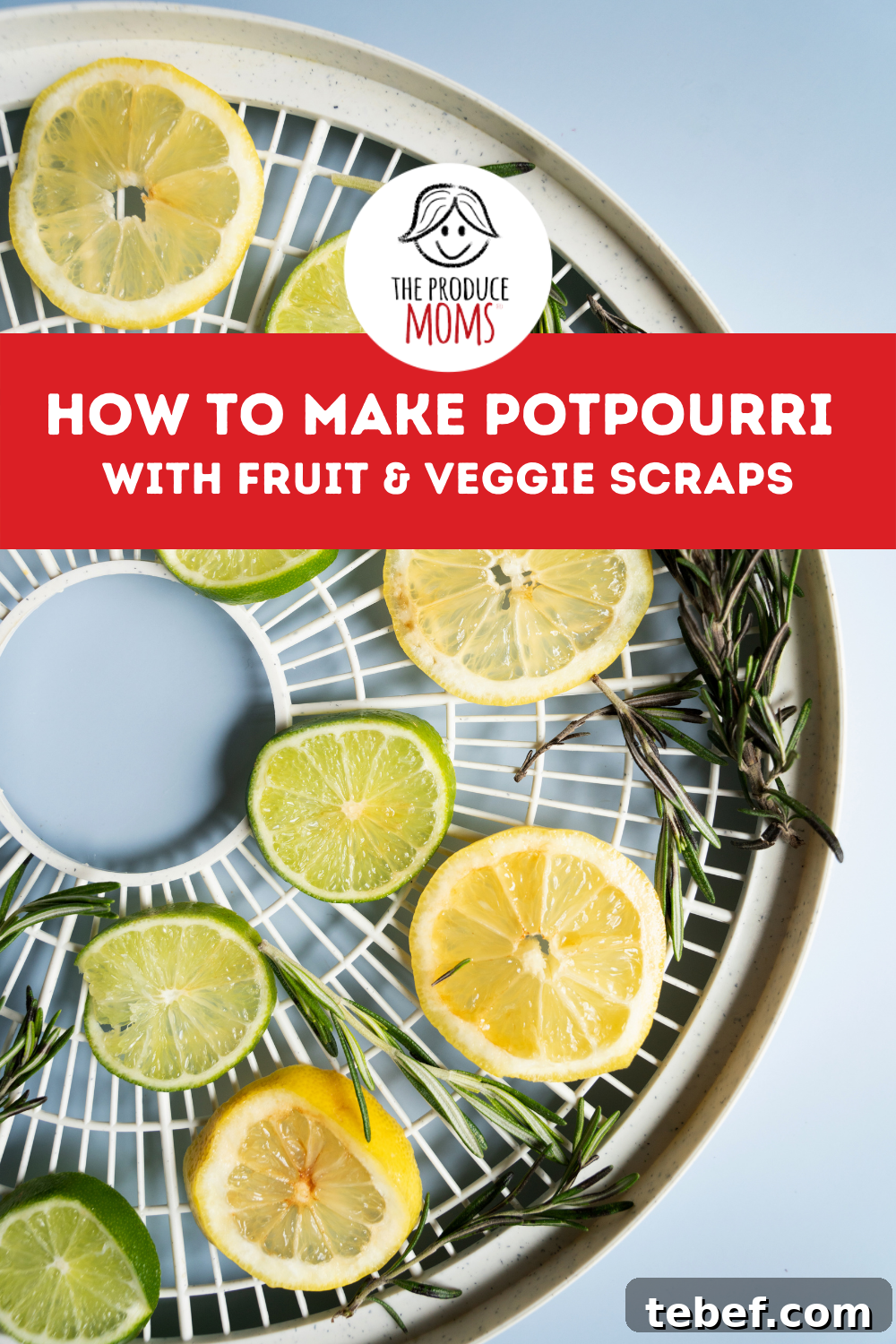
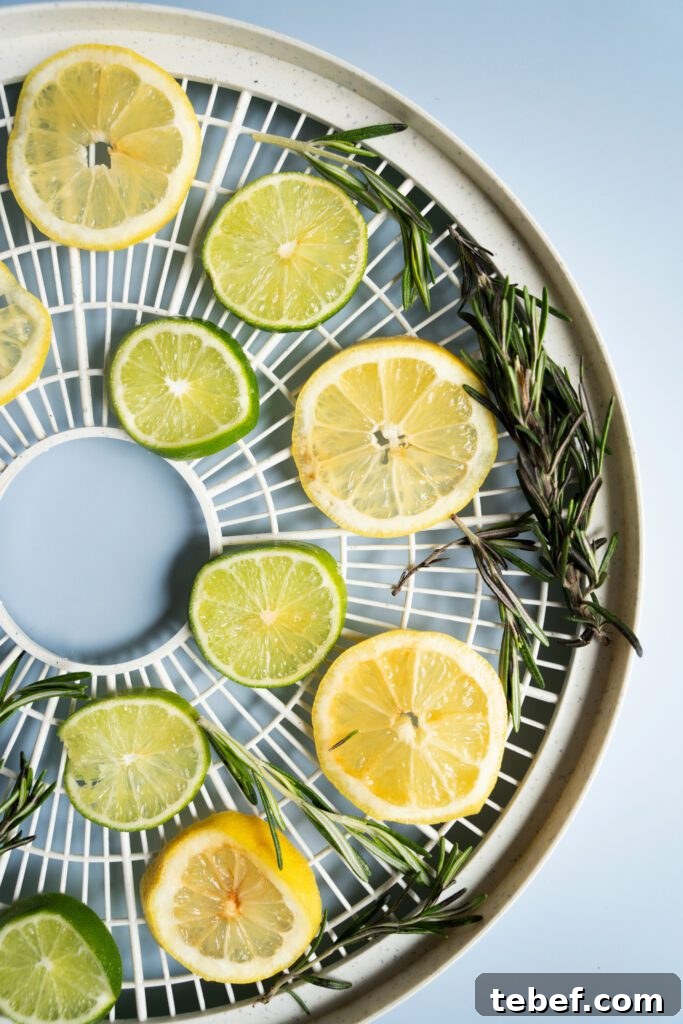
Dehydrator: The most reliable method. Wash and slice produce uniformly, then arrange slices on dehydrator trays. Set the temperature between 115–125°F and dry for 12–24 hours, checking periodically until pieces are dry and slightly leathery or crisp.
Oven: Use your oven’s lowest setting if you don’t have a dehydrator. Wash and slice produce, arrange on a parchment-lined baking sheet, and bake at the lowest temperature (often 200–250°F) for 2–4 hours. Flip slices occasionally until they are thoroughly dried.
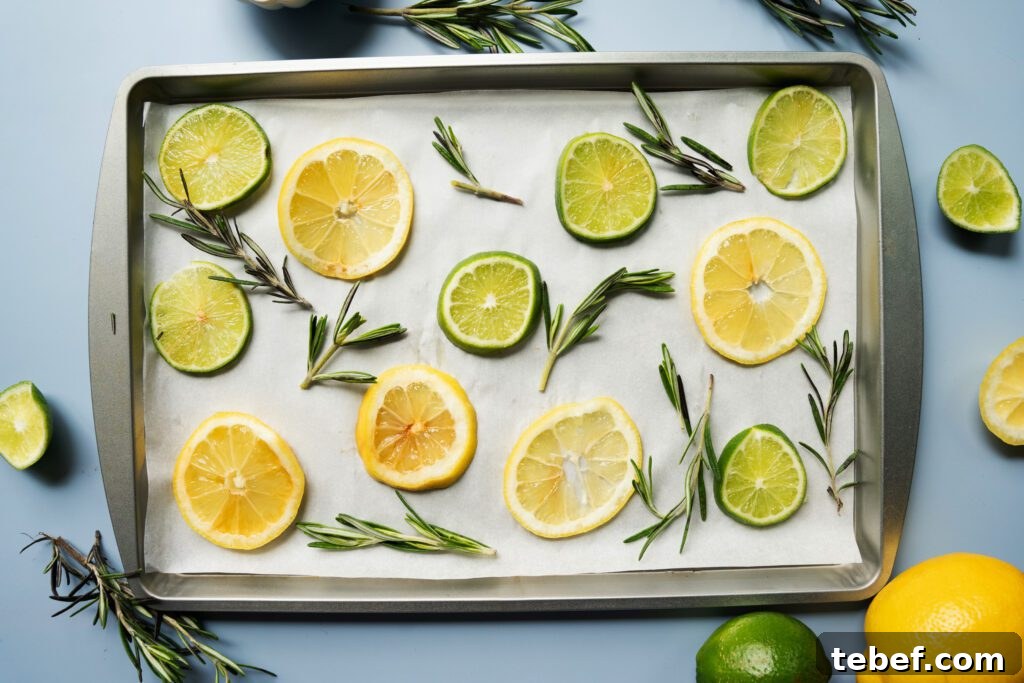
Sun drying: In hot, dry climates you can sun-dry slices by laying them on parchment in direct sunlight for a day or two. Cover with a light mesh if insects are a concern.
After drying, combine fruit and vegetable pieces with spices (cinnamon sticks, cloves, star anise), herbs, and a few drops of essential oil to boost scent. Store any extras in an airtight container to preserve fragrance and use later or give as a handmade gift.
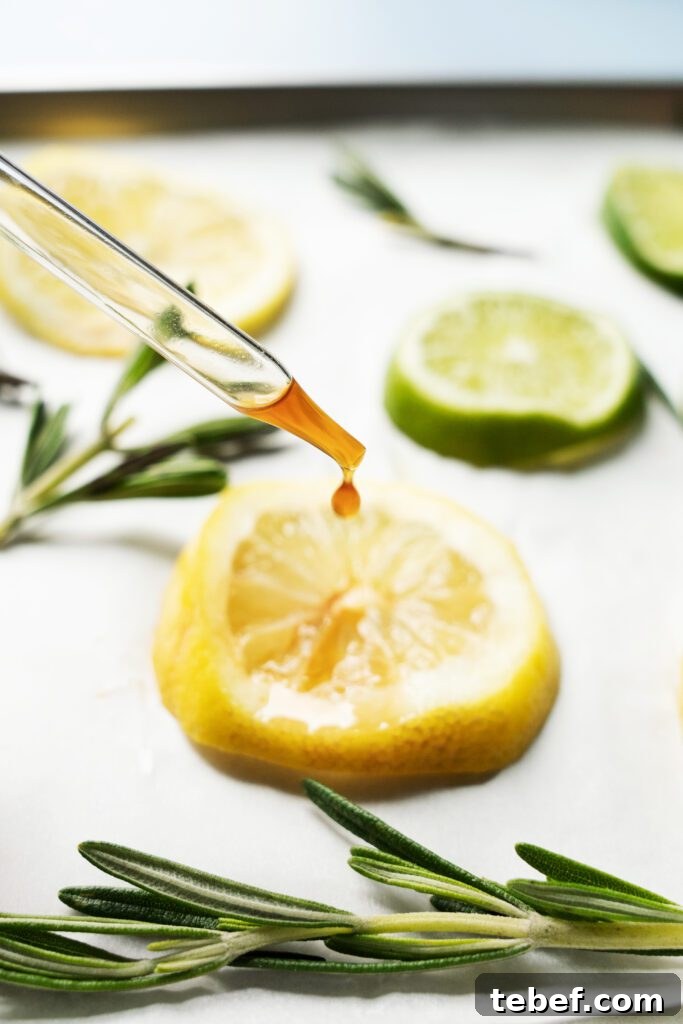
Try combinations like orange and clove, lemon and rosemary, or strawberry with vanilla. Adjust essential oil amounts to suit your preference and refresh the potpourri with a few drops when the scent fades.
What combination did you try? Share your favorite blends in the comments below!