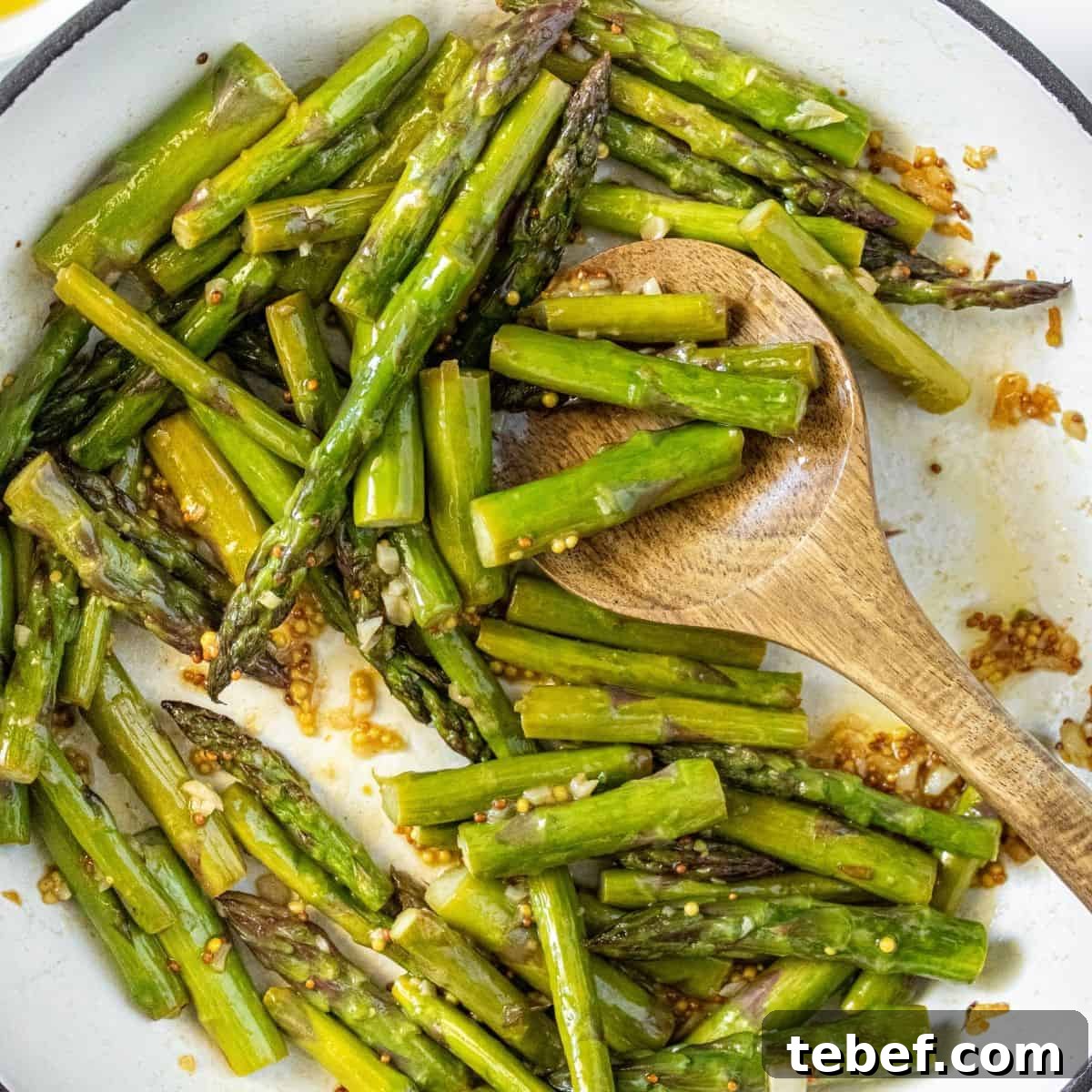
Sautéed Asparagus is an elegant, versatile side dish that’s both quick to prepare and full of flavor. Perfect for busy weeknights yet refined enough for special occasions, this method requires minimal effort: simply toss trimmed asparagus in a hot pan until the stalks are crisp-tender and lightly caramelised. It’s one of my favourite, reliable ways to showcase seasonal asparagus and pairs well with almost any main course.
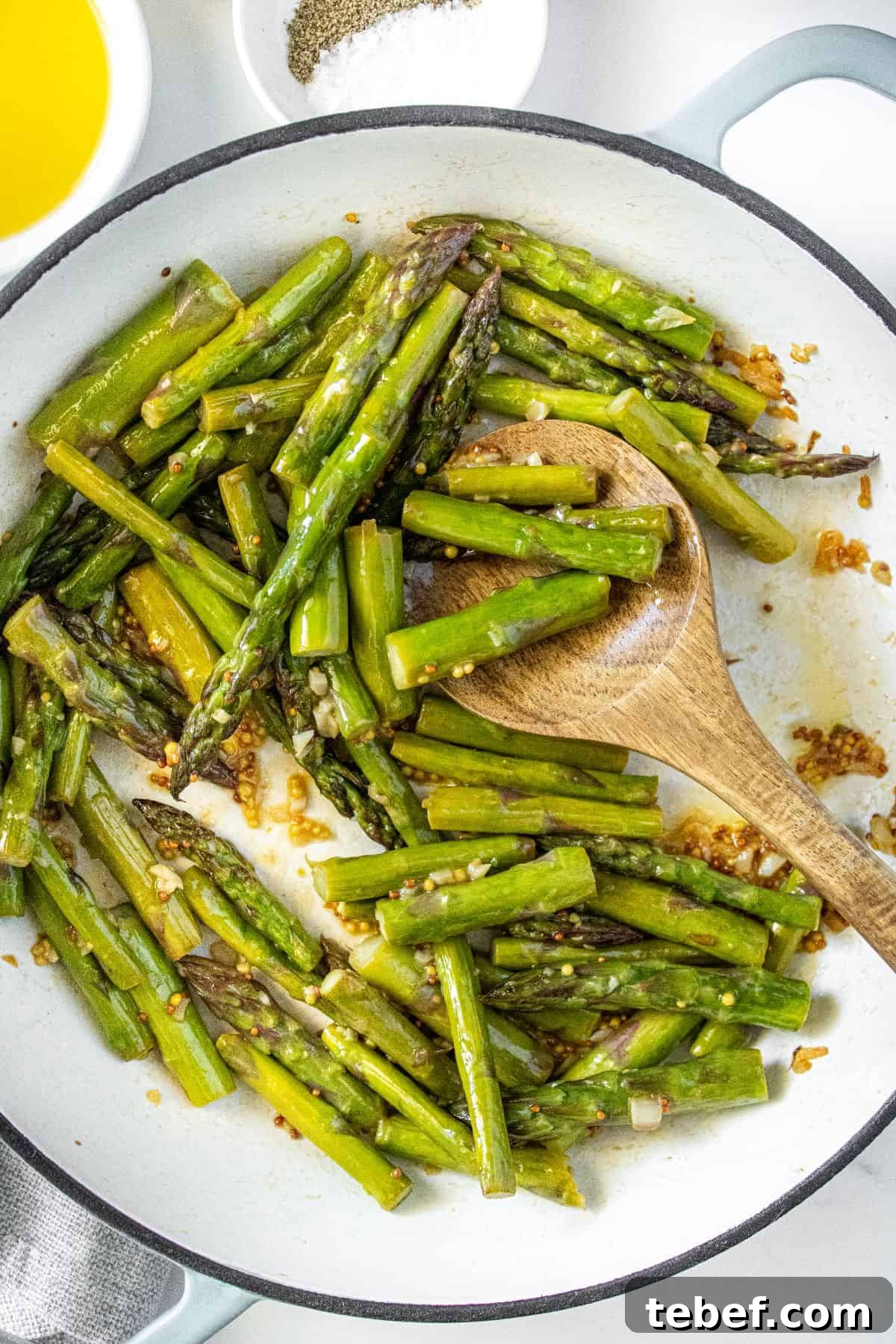
Why you’ll love this recipe
- Uses simple, everyday ingredients.
- Naturally gluten-free, nut-free and vegetarian — suitable for many dietary needs.
- Easy to scale up for larger gatherings.
- Sautéing is a fast, dependable way to cook vegetables while keeping texture and flavour.
- Pairs beautifully with most proteins and makes a great seasonally focused side dish.
Recipe inspiration: When asparagus is in season I often prepare it this way. Asparagus is versatile — use it in soups, risottos, salads or appetizers such as Chargrilled Asparagus with Feta and Mint and Asparagus and Filo Rolls.
Ingredients and substitutions
Please see the recipe card further along in the post for exact quantities and the full method.
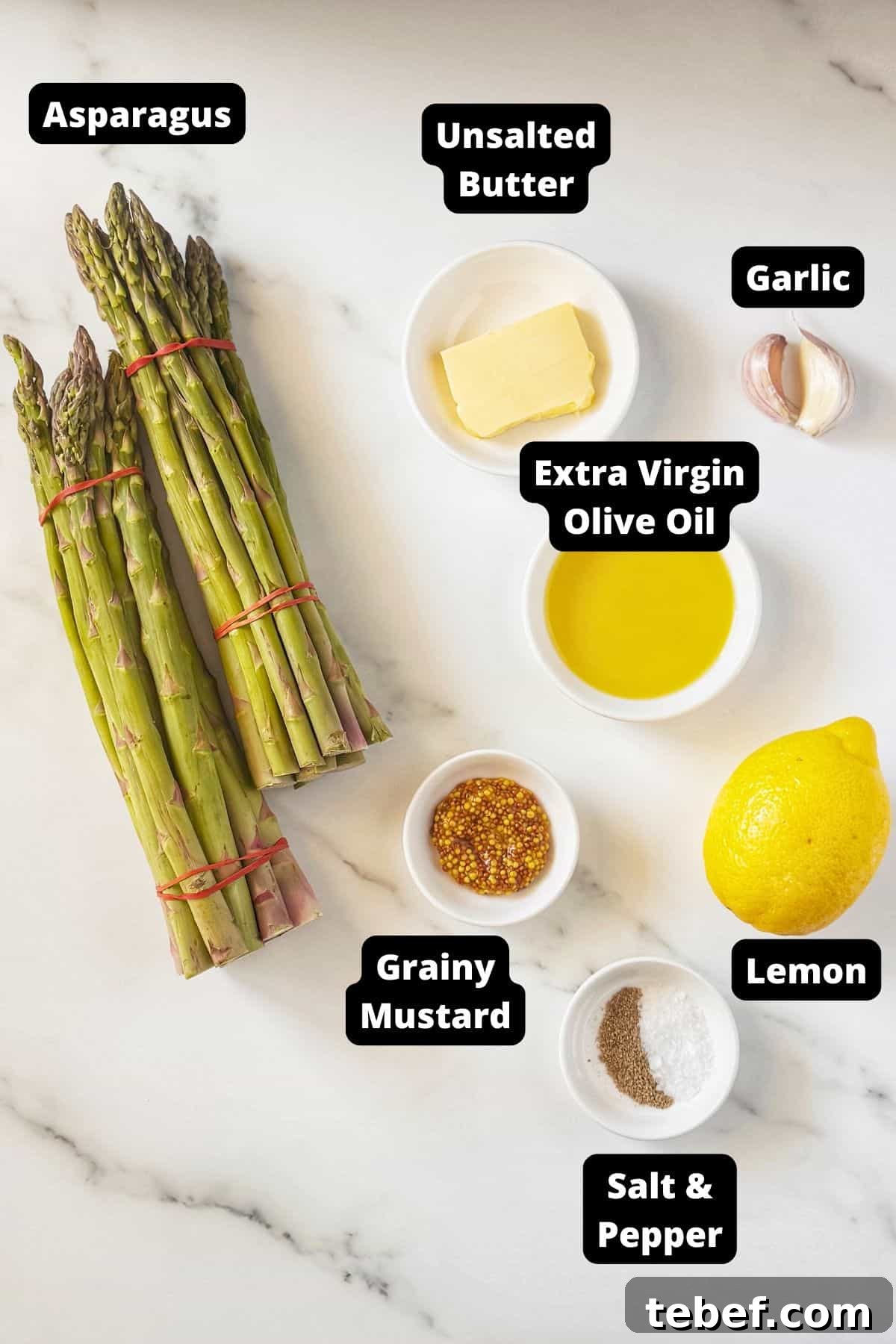
- Asparagus spears: choose fresh, firm stalks with closed tips. Thicker spears will work but will need slightly longer cooking time.
- Extra virgin olive oil and unsalted butter: a small amount of each gives flavour and helps caramelise the asparagus.
- Garlic: fresh garlic is recommended for the best flavour.
- Grainy mustard: adds depth; Dijon works well as an alternative.
- Lemon juice: a splash brightens the overall flavour.
- Sea salt and freshly ground black pepper: essential seasonings to finish the dish.
Variations
Add a crunchy topping: toasted breadcrumbs or flaked almonds add texture.
Yoghurt: a drizzle of plain yoghurt brings freshness when serving.
Feta cheese: crumble on top for a salty, creamy finish.
How to make sautéed asparagus
Please see the recipe card further along in the post for exact quantities and the full method.
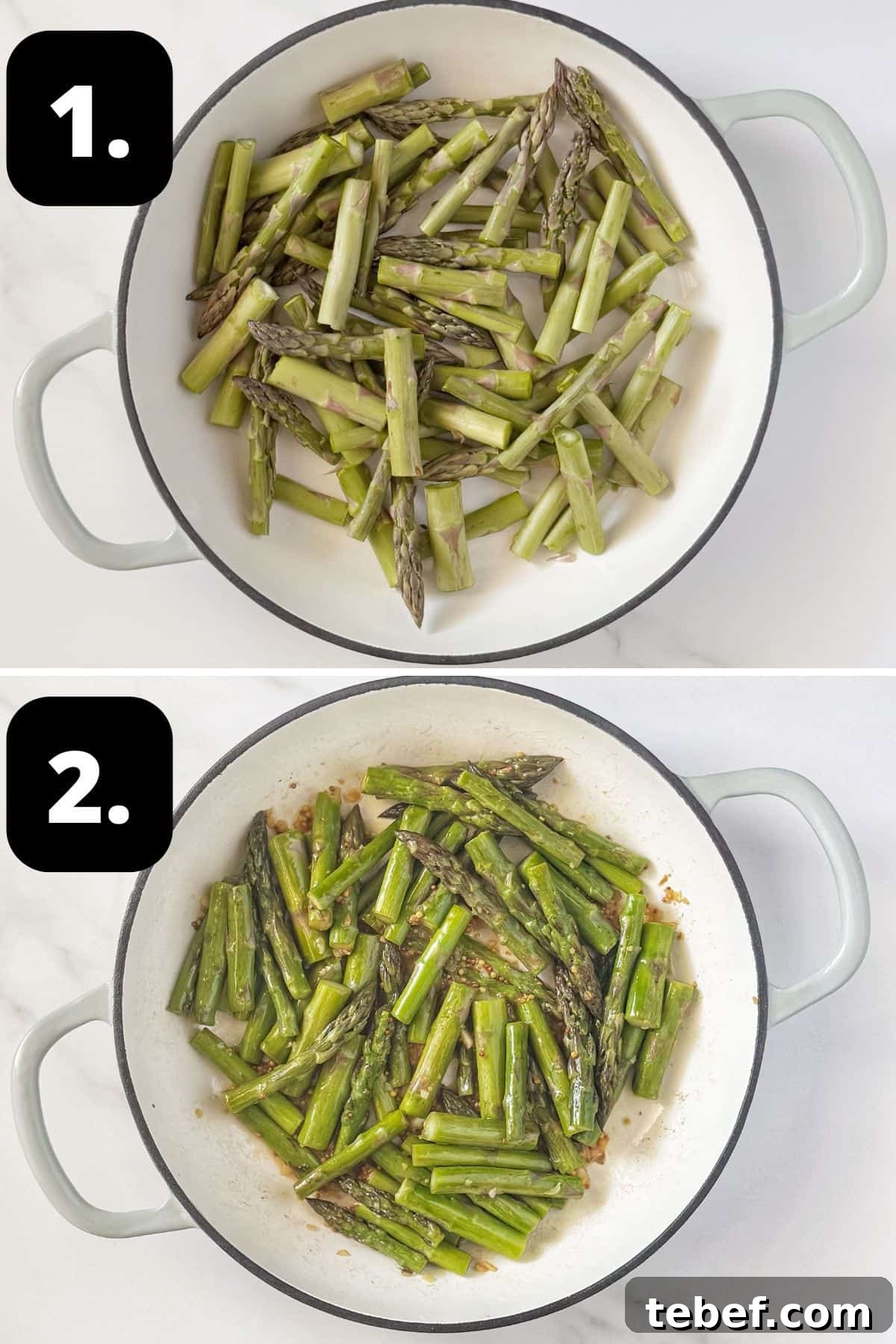
1 – Prepare the asparagus:
Trim the woody ends and cut the spears into manageable pieces if desired. Heat butter and olive oil in a large, heavy-based frying pan over medium-high heat. Add the garlic and sauté briefly to release its aroma.
2 – Sauté until tender:
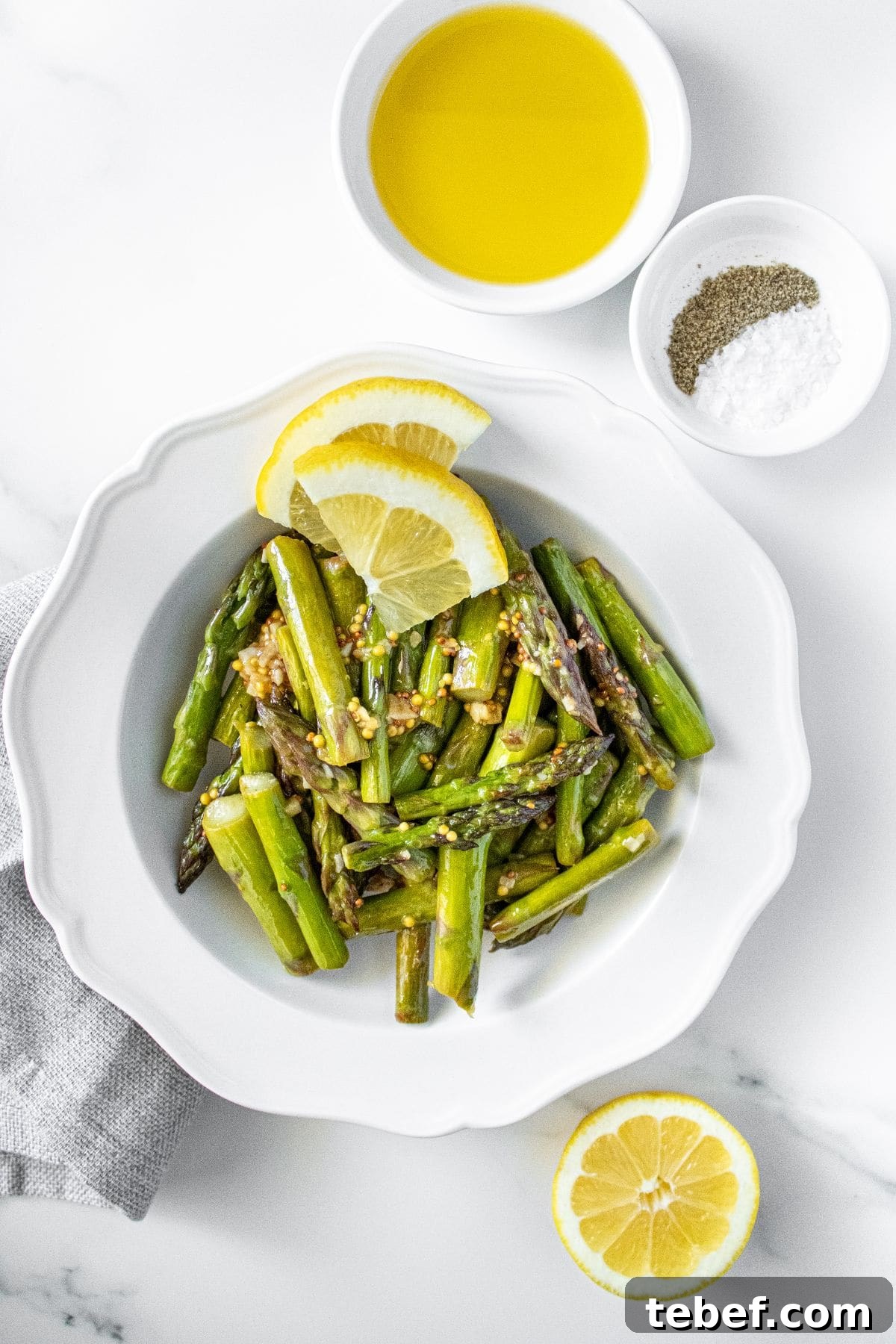
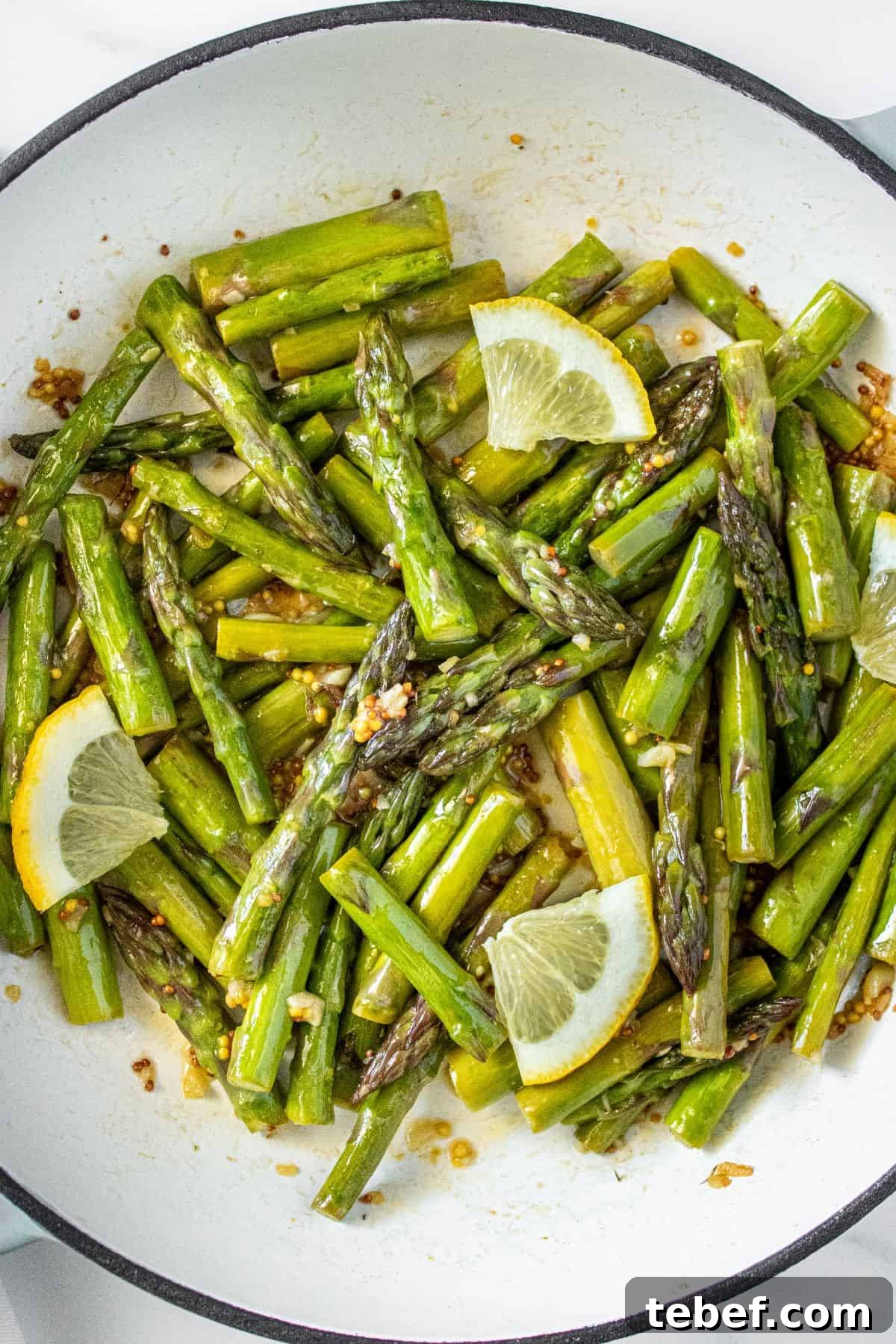
Add the asparagus in a single layer and cook until just fork-tender and slightly caramelised. Timing depends on thickness, but this usually takes only a few minutes. Finish by stirring in mustard and lemon juice, then season with sea salt and freshly ground black pepper to taste.
Hint: Use a shallow, heavy-based pan that heats evenly. Avoid overcrowding the pan — if the asparagus is crowded it will steam rather than develop a sear and colour.
Tips for success, storage and FAQs
Choose firm, crisp stalks with bright colour and tightly closed tips. Avoid limp or wrinkled spears. To extend freshness, trim the ends and stand the bunch upright in a jar with about 1 inch (2.5 cm) of water, then cover loosely and refrigerate. Use within a few days for best results.
Bend a spear near the base until it breaks naturally, or line several up and cut the woody ends where the colour changes from pale to green. Discard the tough ends.
For best texture, serve freshly cooked. You can partially cook the spears ahead of time and finish them in a hot pan just before serving.
Store leftovers in an airtight container in the refrigerator for up to three days.
Reheat gently in a skillet with a little olive oil over medium heat until warmed through. Microwaving is also possible, though the texture may soften more.
Top tip
With such a simple dish, ingredient quality matters. Choose fresh asparagus and a good extra virgin olive oil. Season after cooking — adding salt too early draws out moisture and prevents the desirable caramelisation. Allow the asparagus time to sear between gentle stirs so it develops colour and flavour.
Serving suggestions
This sautéed asparagus complements many mains. Try it with:
- Herb and panko crusted salmon
- Mediterranean marinated chicken breast
- Slow-roasted pork shoulder
- Grilled lamb cutlets with mint pesto
When you want a simple side the whole family will enjoy, this sautéed asparagus delivers: tender yet slightly crisp, lightly caramelised, quick to make and elegant enough for entertaining.
Alex xx
More delicious recipes to try
-
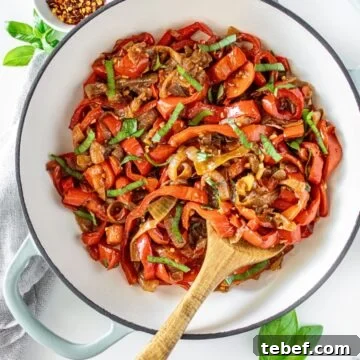
Sautéed Peppers and Onions
-
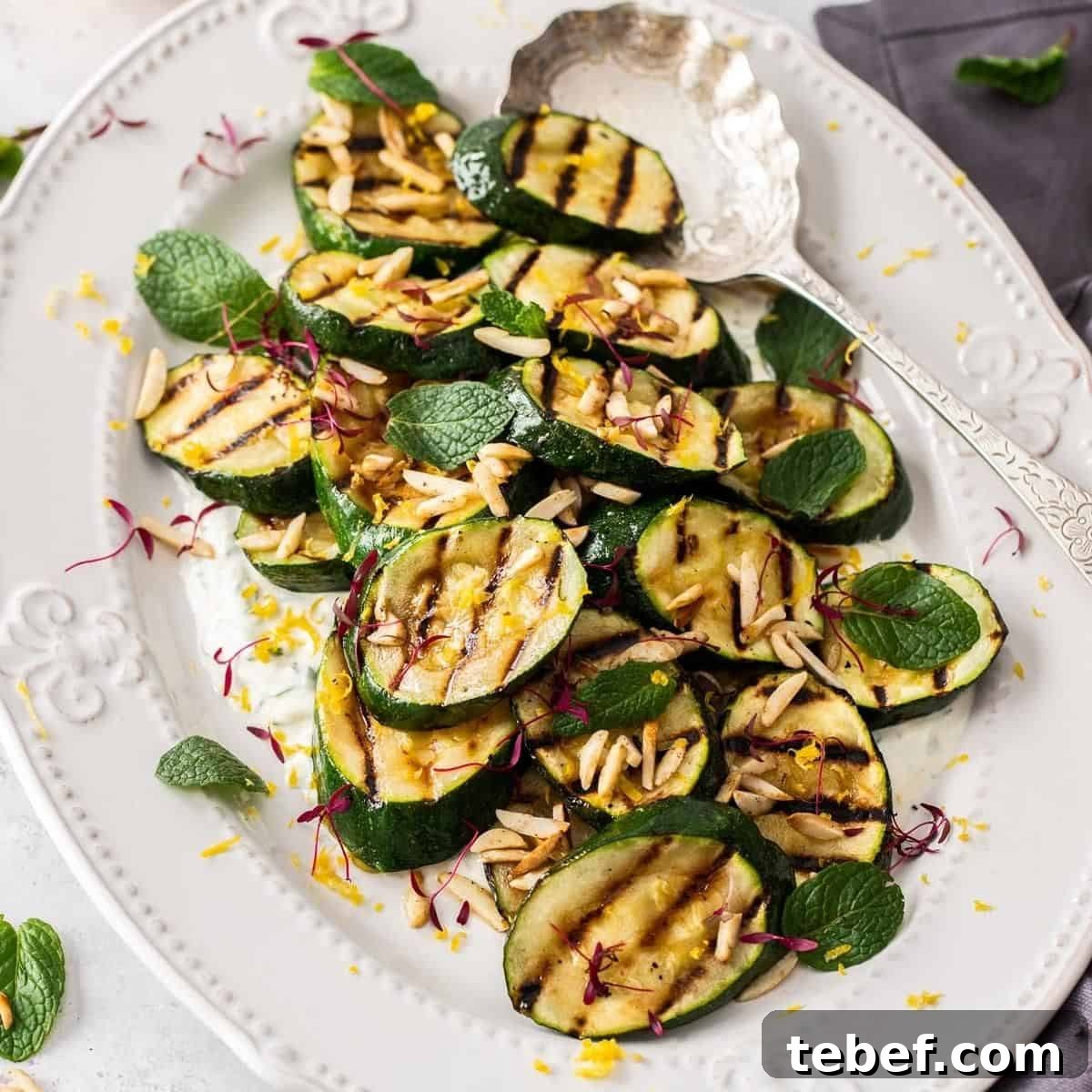
Grilled Zucchini with Yoghurt Sauce
-
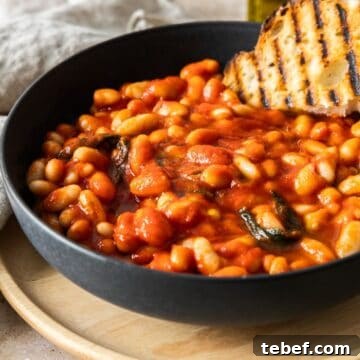
Tuscan Stewed Beans (Fagioli all’Uccelletto)
-
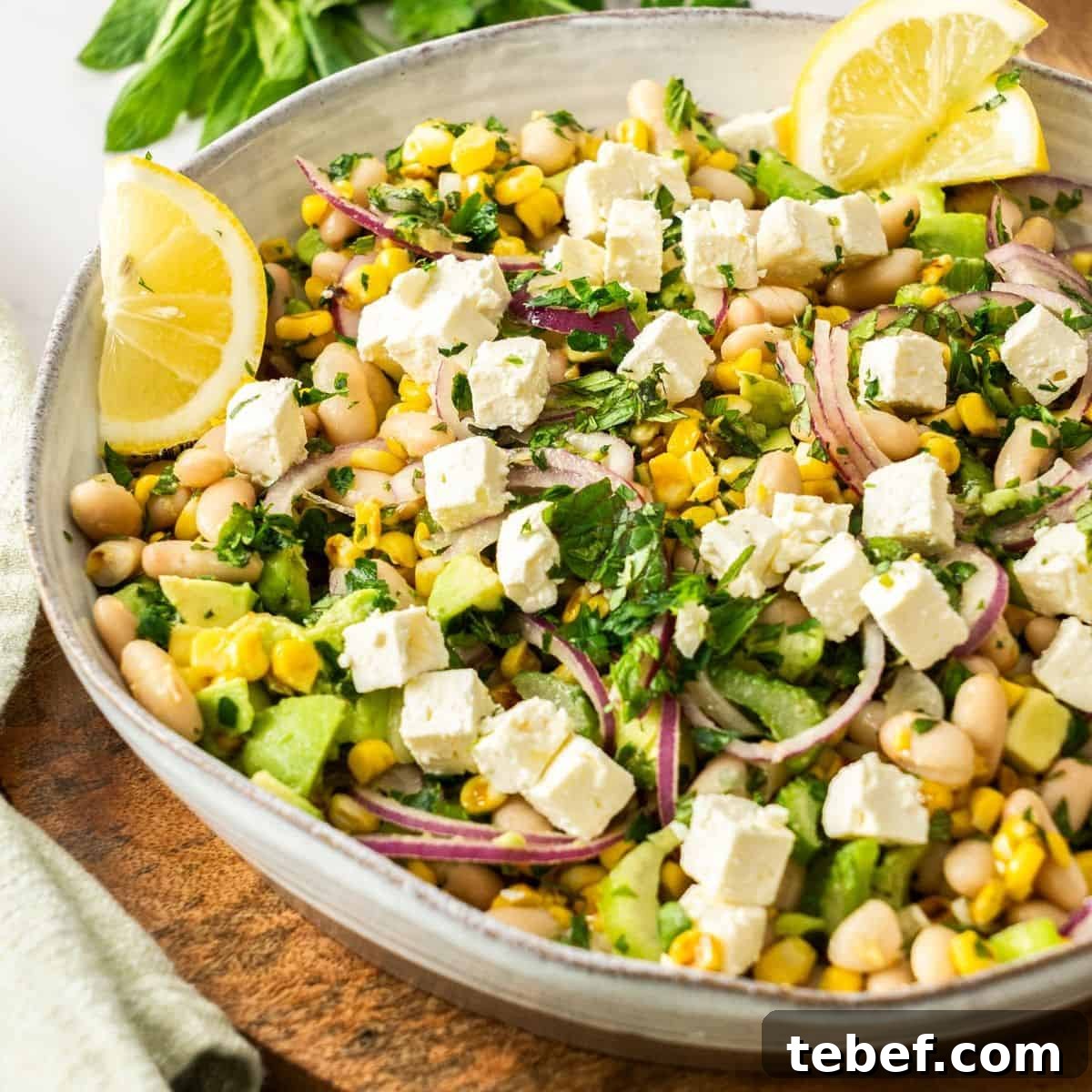
Charred Corn Salad
Stay in touch!
Follow on social media and subscribe to the newsletter for more recipes and seasonal tips.
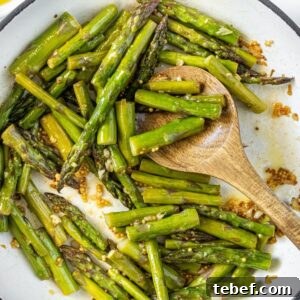
Sautéed Asparagus
Please note:
For accuracy, when weights are provided, weigh ingredients for best results. Oven temperatures are for fan-forced ovens unless stated otherwise.
Ingredients
- 350 g (12 oz) asparagus – prepared weight, once trimmed.
- 1 tablespoon unsalted butter
- 1 tablespoon extra virgin olive oil
- 2 large garlic cloves – finely chopped
- 2 teaspoon grainy/whole-grain mustard
- 1 teaspoon lemon juice – or to taste
- sea salt and freshly ground black pepper – to taste
Instructions
-
Trim the woody ends from each asparagus spear by bending until it snaps or by cutting where the colour changes from pale to green.
-
Cut the trimmed spears into 5 cm (2 inch) pieces if preferred.
-
Heat the butter and olive oil in a large frying pan over medium-high heat until hot.
-
Add the garlic and sauté for about 30 seconds, taking care not to let it brown.
-
Add the asparagus and cook in a single layer until just fork-tender and slightly caramelised. Cooking time varies with thickness; the example here took approximately 2 minutes.
-
Stir in the mustard and lemon juice, season with salt and pepper, check seasoning, and serve immediately.
Notes
- Asparagus: choose firm stalks with tightly closed tips and avoid limp or wilted spears.
- Tablespoon: the recipe uses a 20 ml (Australian) tablespoon. If using a different standard, adjust accordingly.
- Seasoning: use sea salt flakes and freshly ground black pepper for the best flavour. Add chilli flakes if you like heat.
- Storage: store leftovers in an airtight container in the refrigerator for up to three days.
- Reheating: reheat gently in a skillet with a little olive oil until warmed through, or use the microwave if preferred.
Leave a comment and rating
Nutrition estimate
Nutritional disclaimer
The nutrition information is an estimate. For accurate values, calculate based on the exact ingredients and brands you use.