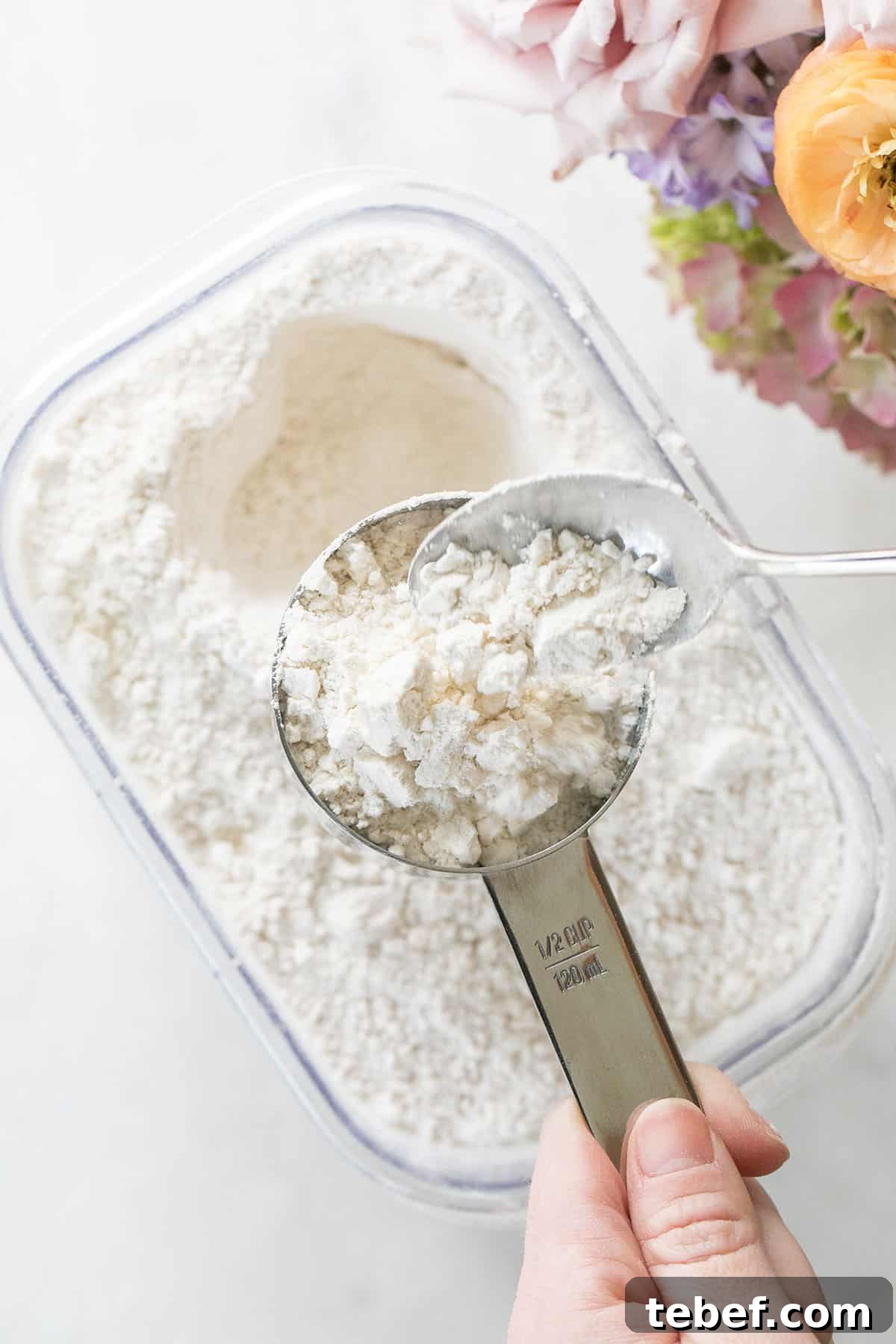
Everything you need to know about flour: how to measure it correctly, the most common types, and practical substitutes to use while baking. With so many options available today, this guide will help you choose the right flour when making sweet desserts and other baked goods.
Read on to learn about types of flour such as almond flour, cake flour, and more, plus tips for measuring and substituting.
What Is Flour?
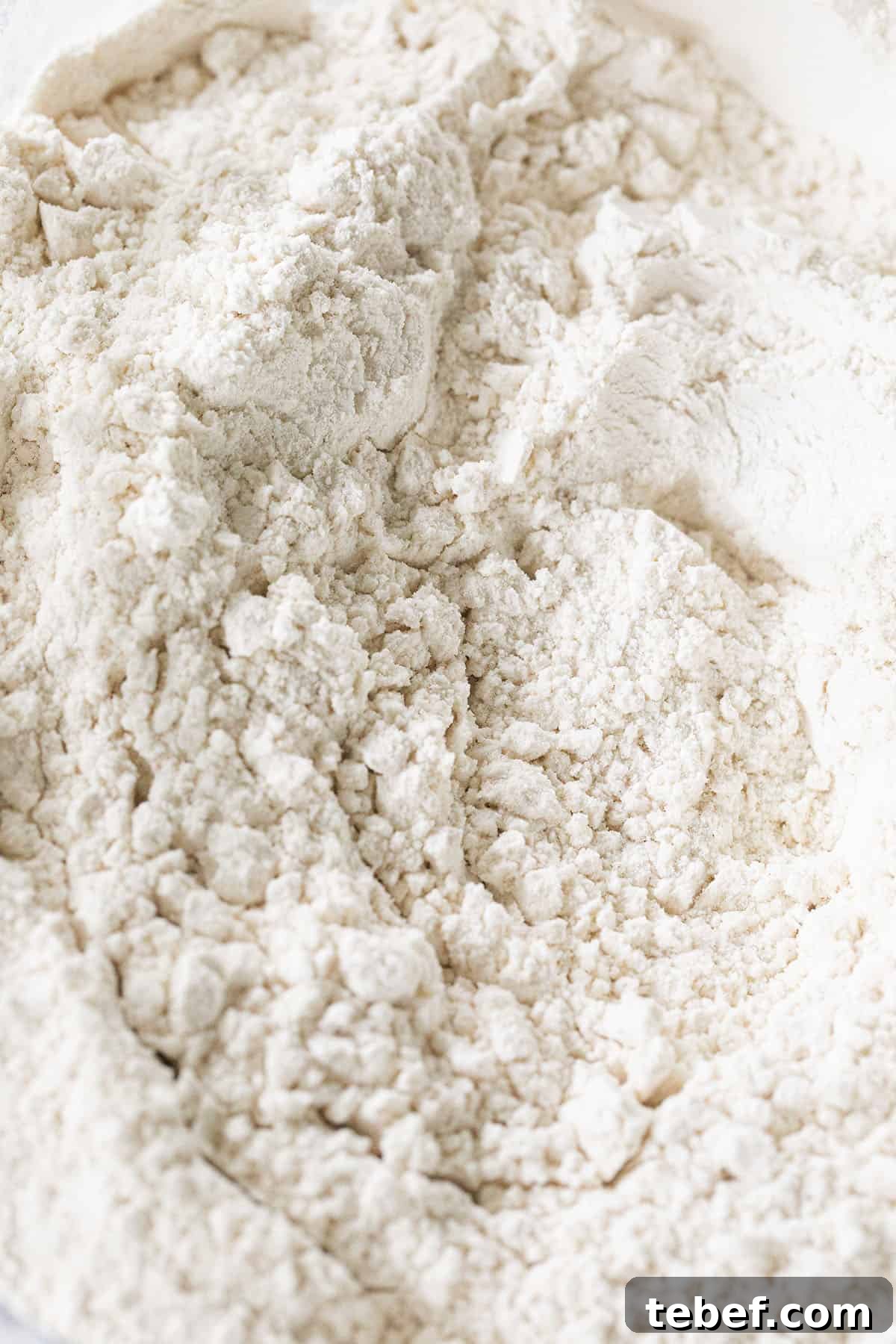
Flour is a powder made by grinding grains, nuts, beans, or seeds. Different base ingredients and milling processes produce flours with varying textures, flavors, and baking properties. Flour is a staple in many recipes, from cereals and pasta to breads, cakes, and cookies. Wheat flour is the most widely used and appears in most traditional baking recipes.
How to Properly Measure Flour
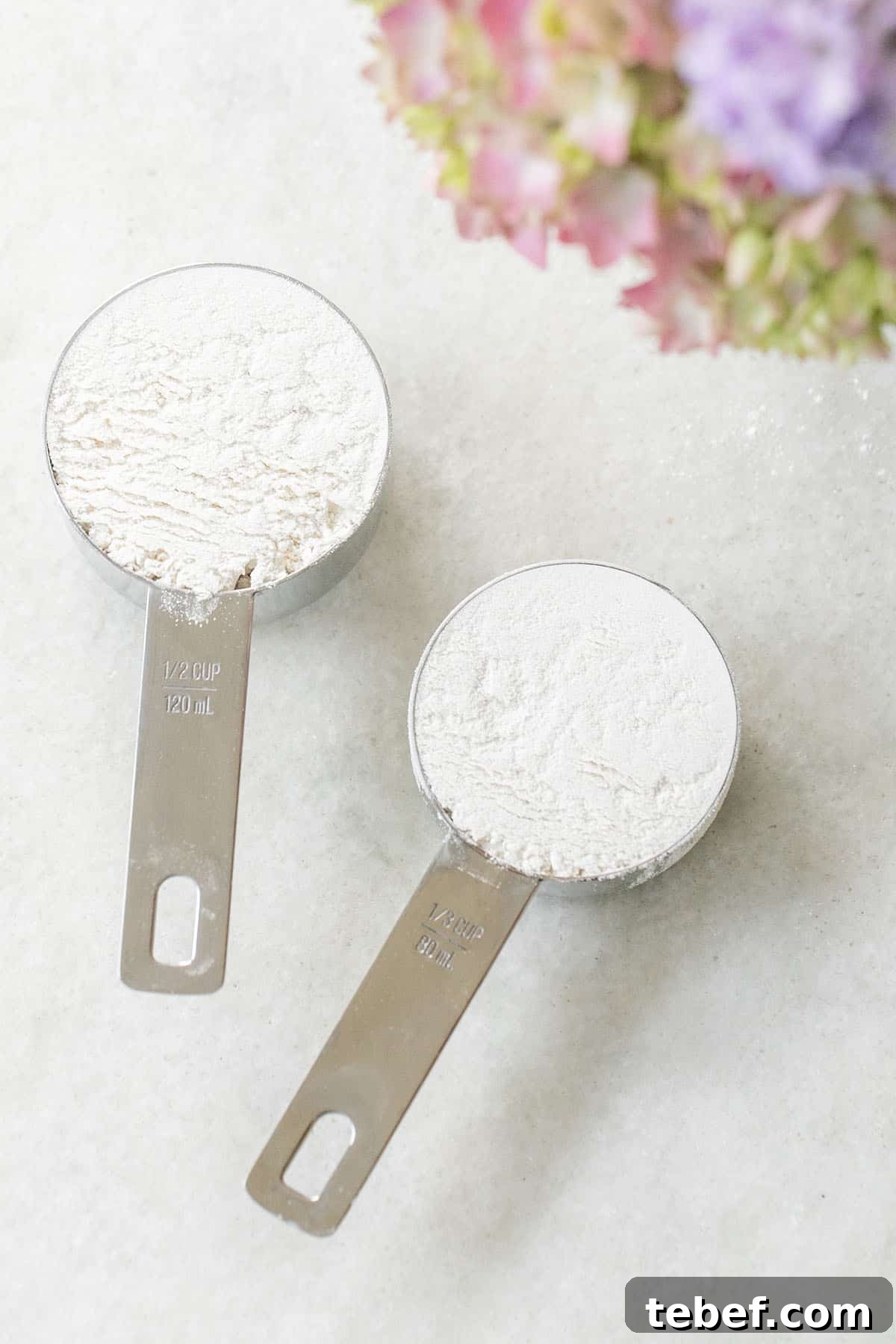
Accurate flour measurement is essential for consistent baking results. Too much flour can make a cake dense or a pie crust dry. Follow these simple steps each time you measure flour for the best results.
1. Fluff the Flour
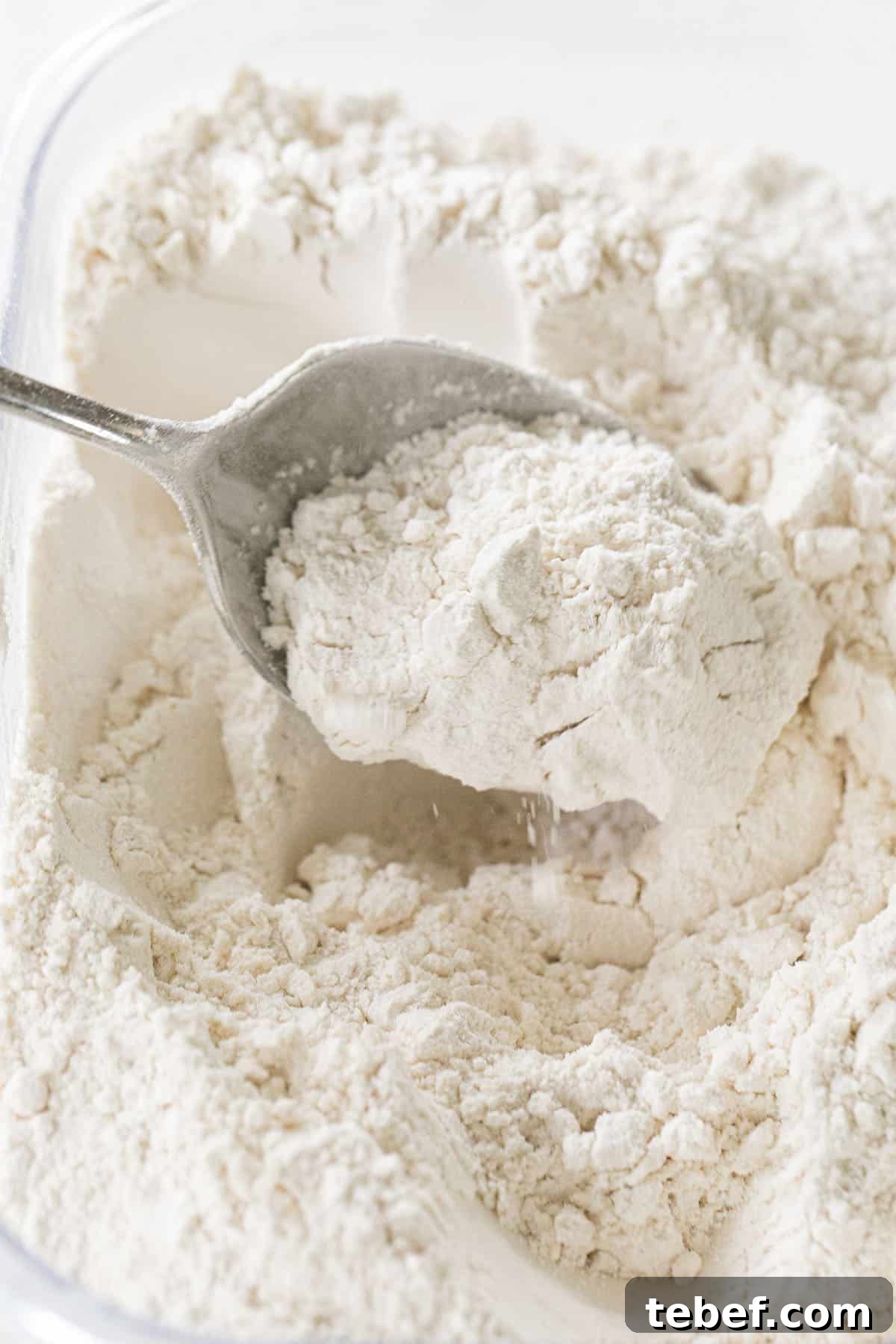
Start by fluffing the flour in its bag or container to loosen any packed layers. This prevents over-measuring when you scoop.
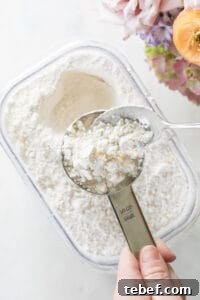
2. Spoon the Flour Into the Cup
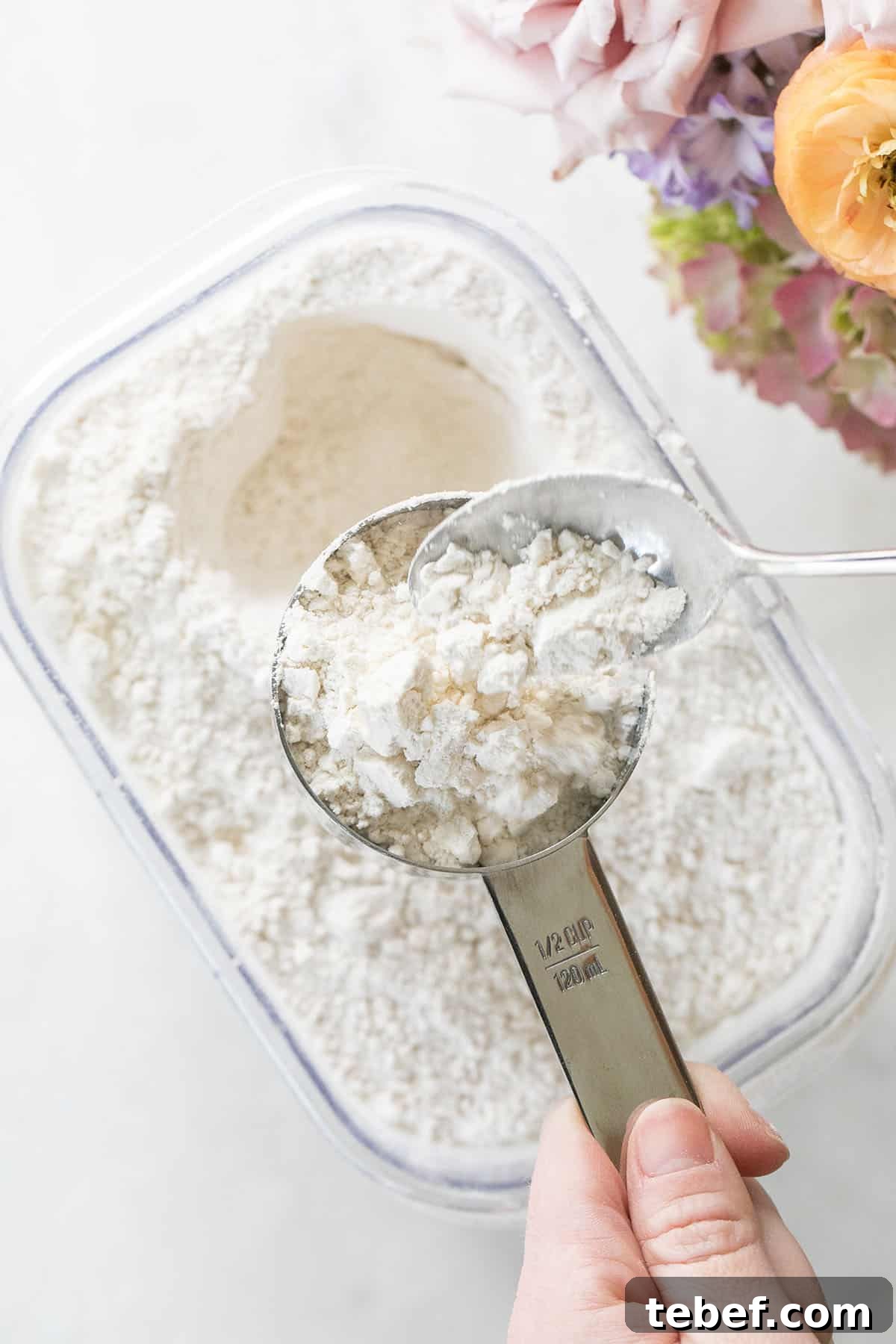
Use a spoon or scoop to transfer flour into a dry measuring cup. Avoid dipping the measuring cup directly into the container, which packs the flour and gives you more than the recipe intends.
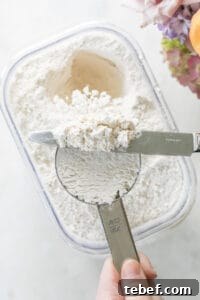
3. Level the Cup
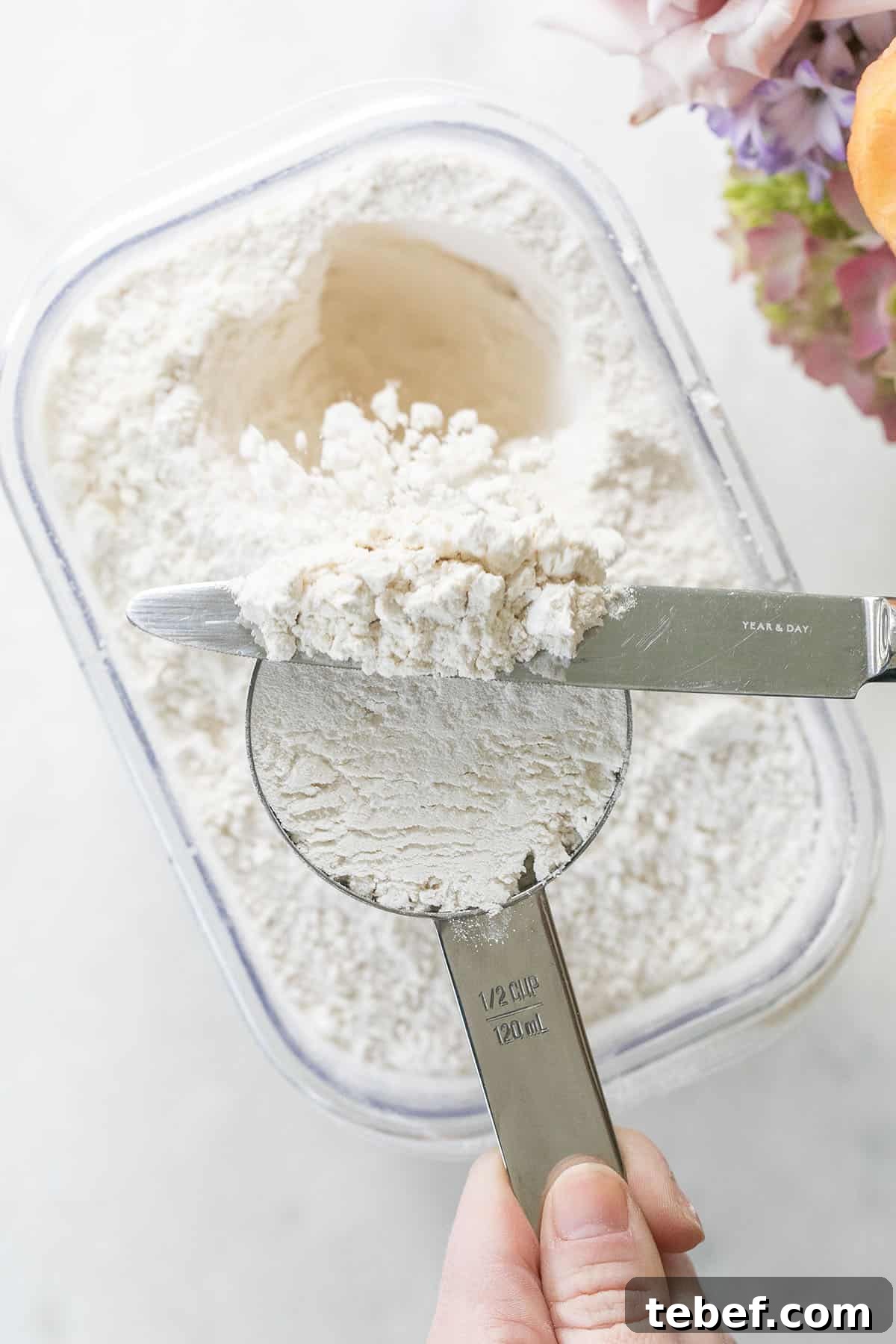
Use the flat edge of a knife or a straight spatula to level off the top of the measuring cup. This removes excess flour without compressing it, giving a more accurate measure.
Sift the Flour When Needed
Some recipes specify “sifted flour” or “flour, sifted.” If the recipe calls for “sifted flour,” sift first and then measure. If it calls for “flour, sifted,” measure first and sift afterward. To sift, use a fine-mesh strainer and tap or shake it until the flour passes through. Use a spoon to push any remaining bits through.
Different Types of Flour
All-Purpose Flour
All-purpose flour blends about 80% hard wheat and 20% soft wheat. The result is a versatile flour suitable for many recipes, from cookies to quick breads. It’s the go-to pantry flour for most home bakers.
Almond Flour
Almond flour is made from blanched, ground almonds. It’s a popular grain-free alternative with a slightly sweet flavor and a coarser texture than wheat flours. Use it in gluten-free or low-carb baking; note that it yields denser results and different crumb structure than wheat flour.
Cake Flour
Cake flour is milled from soft wheat and is finer and lower in protein than all-purpose flour. Its lower protein content produces lighter, tender cakes and delicate cookies.
Self-Rising Flour
Self-rising flour combines wheat flour with added salt and a leavening agent, typically baking powder. It works well in older or classic recipes for biscuits and pancakes where the leavening components are already included.
Bread Flour
Bread flour is made from hard wheat and has a higher protein content, which builds more gluten and helps yeasted doughs develop strength and chewiness—ideal for breads, rolls, and pizza dough.
Gluten-Free Flour
Gluten-free flours are made from naturally gluten-free ingredients like rice, oats (certified gluten-free), sorghum, or nut meals. They behave differently than wheat flour and usually produce denser results; many gluten-free recipes use blends to better mimic wheat flour’s properties.
Frequently Asked Questions
To substitute cake flour, combine all-purpose flour and cornstarch. For each cup of cake flour, remove 2 tablespoons of all-purpose flour and replace them with 2 tablespoons of cornstarch. Sift together before using for a finer texture.
For lighter baked goods, cake flour can often replace all-purpose flour in a 1:1 ratio. For yeasted or heavier doughs like bread and pizza, use bread flour for better structure and chewiness.
Self-rising flour includes added salt and baking powder, while all-purpose flour does not. Use self-rising flour only in recipes that account for its added leavening and salt; otherwise, adjust the additional leavening and salt in the recipe.
Is Self-Rising Flour All-Purpose Flour?
Self-rising flour is not the same as all-purpose flour because it already contains salt and baking powder. You can substitute it in some recipes by reducing or eliminating added baking powder and salt—generally omit about 1 teaspoon of baking powder per cup if the recipe calls for it separately, and adjust salt to taste.
Is Almond Flour a Substitute for All-Purpose Flour?
Almond flour can replace all-purpose flour in many recipes, especially for gluten-free or low-carb baking. Use it cup-for-cup as a starting point, but expect a denser, moister crumb and slightly different texture. Some recipes may need eggs or binding agents adjusted when using almond flour exclusively.
What Is the Weight of 1 Cup of Flour?
Measuring flour by weight is more accurate than by volume. One cup of all-purpose flour typically weighs about 120–125 grams. Different flours will vary slightly in weight, so using a kitchen scale improves consistency when baking.
Now that you know how to measure flour, the main types available, and some useful substitutes, you’re ready to bake with confidence.
Recipes with Flour
Many classic cakes, cookies, muffins, and breads use flour. Try these recipe ideas that rely on good measuring and the right flour choice:
The Best Crumb Cake Recipe
Popular Coconut Loaf Cake
Butterless Chocolate Chip Cookies
Classic Vanilla Cupcakes
The Best Blueberry Muffins
The Perfect Pancakes for Brunch
Our Favorite Banana Bread
Super Flavorful Apple Cider Donuts
The Best Homemade Chocolate Cake Recipe
Oatmeal Chocolate Chip Cookies
Chocolate Cherry Chunk Cookies
With these tips and a better understanding of flour, you’ll be prepared to bake reliably every time. Happy baking!
This post may contain affiliate links. Please read our disclosure and privacy policy.
How to Measure Flour
Print
Pin
Rate
Ingredients
- 1 cup Flour
Instructions
-
Fluff the flour in its bag or container to loosen compacted flour before measuring.

-
Spoon the flour into a dry measuring cup instead of scooping directly with the cup to avoid packed flour.
-
Level the cup with a straight edge, like a butter knife, to remove excess flour without compressing it.
Tried this Recipe? Tag me Today!
Mention @sugarandcharm or tag us #sugarandcharm!