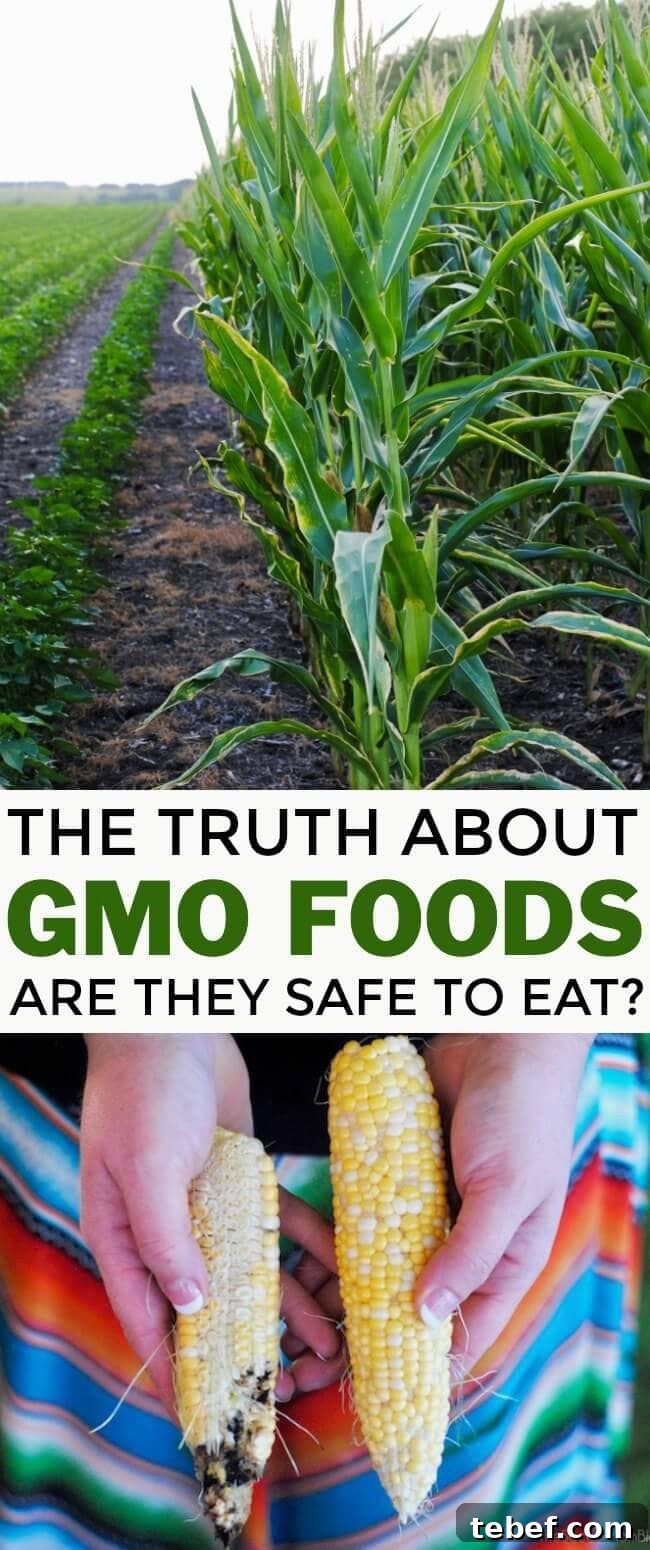
Inside: Are GMOs safe to eat? We went straight to the source to find out. What farmers say about genetically modified crops and what you should know before you buy. Sponsored post.
GMO — those three letters stir debate whenever food is the topic. Before a recent visit to a Texas farm, my opinion was based more on headlines than on firsthand knowledge. I avoided GMOs when I could, but I realized I didn’t truly understand them.
What Are GMOs?
GMO stands for “Genetically Modified Organism.” In agriculture this usually refers to crops whose DNA has been altered in a lab to introduce specific traits. Instead of cross-breeding plants over many seasons, scientists can insert a gene or two into individual cells to achieve a desired trait more precisely and quickly.
That explanation makes genetic modification sound like a targeted, efficient form of plant breeding. Still, public information about GMOs is mixed, and it’s easy to be influenced by sensational media coverage rather than facts.
Many of the nation’s commodity crops are genetically modified, but that doesn’t automatically mean you should fear them. The real question is whether those modifications make food unsafe or whether they provide measurable benefits for farmers, consumers, and the environment.
Seeing GMOs Up Close
My husband and I attended a Field to Fork dinner at Schronk Farm in Hillsboro, Texas, hosted by local farmers and sponsored by agricultural organizations. The meal was excellent — made entirely from Texas-grown ingredients — but the most memorable part was seeing how food is raised and hearing directly from the people who grow it.
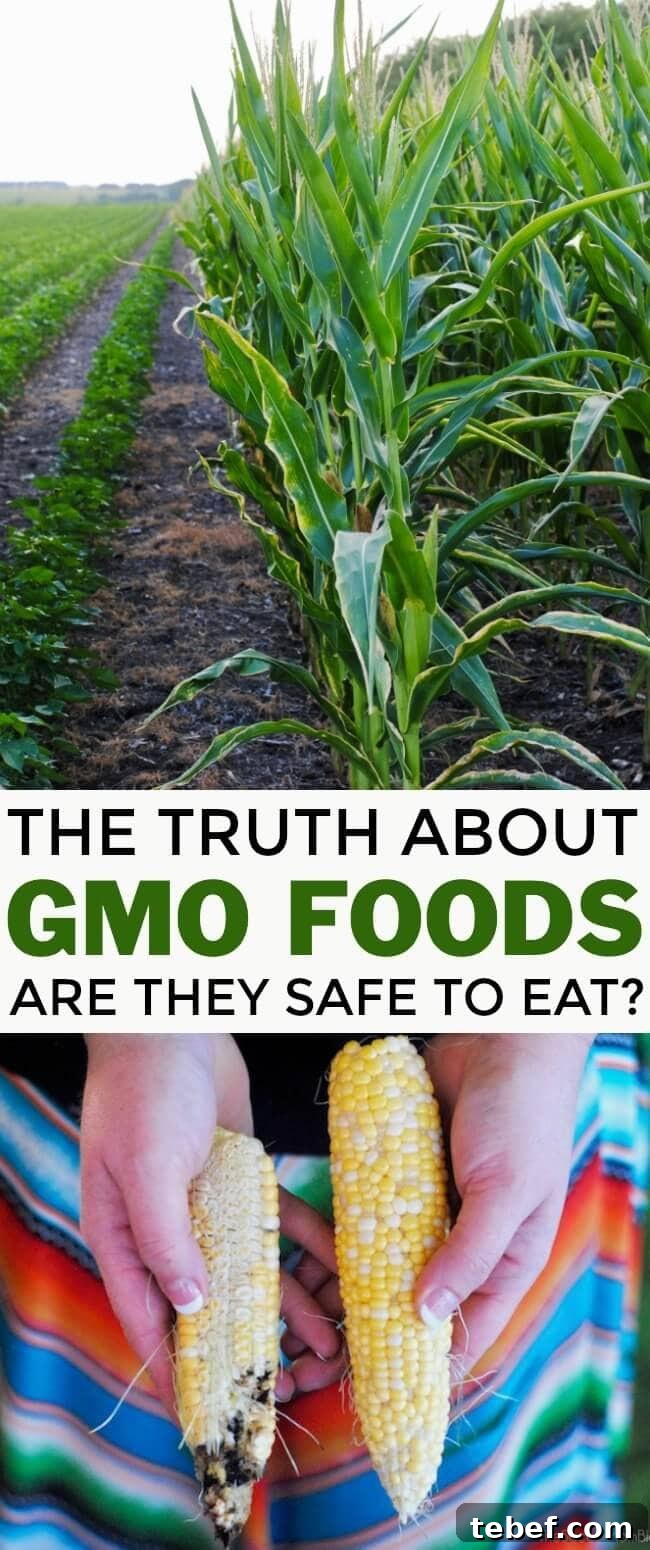
Our host, Rodney Schronk, brought two ears of corn straight from the fields: one from GMO seed and one from a non-GMO field. He opened the husks to reveal a stark difference. The GMO ear looked full and healthy, the kind most shoppers expect to see in the store. The non-GMO ear was smaller and covered with mold and fungus.
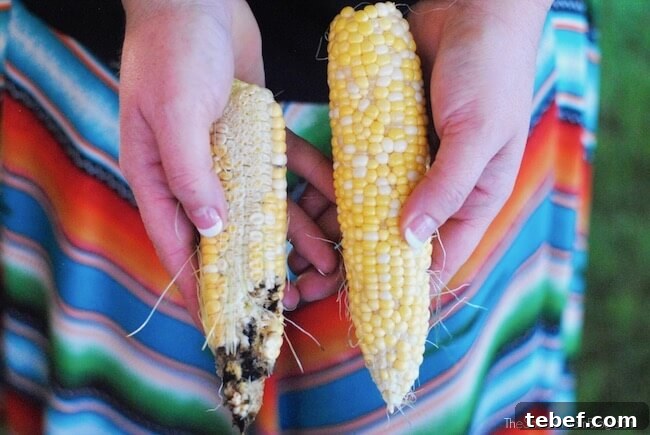
According to Schronk, a large share of non-GMO ears must be discarded because they are rotten or infested with insects. That reality drives home one practical benefit of some GMO crops: they can be engineered to resist pests and diseases that otherwise ruin a significant portion of the harvest.
I found that contrast persuasive. Faced with visibly moldy, insect-damaged corn, most people would prefer the healthier-looking option — and rightly so when food safety is at stake.
Misconception #1 – GMOs Use More Pesticides and Resources
A common belief is that GMOs increase pesticide use and resource consumption. In many cases the opposite is true. GMO varieties can be engineered for pest resistance or disease tolerance, which can reduce the need for chemical applications compared with vulnerable non-GMO varieties.
There are other examples: Hawaiian papaya was saved from collapse by a genetically engineered variety resistant to ring spot virus. Researchers are also developing drought-tolerant crops that would use less irrigation and withstand harsher conditions — an important consideration where rainfall is uncertain.
Farmers I spoke with emphasized conservation: using technology to grow more with fewer inputs. As one farmer put it, “We’re using less to grow more.” That focus on efficiency and resource stewardship is vital in modern agriculture.
Misconception #2 – GMOs Are Dangerous to Our Health
Health concerns about GMOs, including claims they cause diseases like cancer, are widespread. Farmers I met felt those concerns personally. One host shared that he had beaten cancer in his twenties and would not feed his family anything he believed to be harmful. He trusts the food he grows.
Regulatory agencies treat foods from genetically engineered plants the same as those from traditionally bred plants. The U.S. Food and Drug Administration states that foods from GE plants must meet the same safety requirements as other foods, and many scientists and regulators have not found evidence that approved GMO crops are unsafe for human consumption.
That said, not every crop is genetically modified. For example, wheat is commonly produced as non-GMO, and farmers choose the approach that best fits their land, markets, and conservation goals.
Farmers Behind the Food
The farmers I met were not faceless corporations. They were families raising food and caring for the land. Many work farms that have been in their families for generations. Their daily decisions are shaped by weather, soil health, and the responsibility of feeding people while supporting their own households.
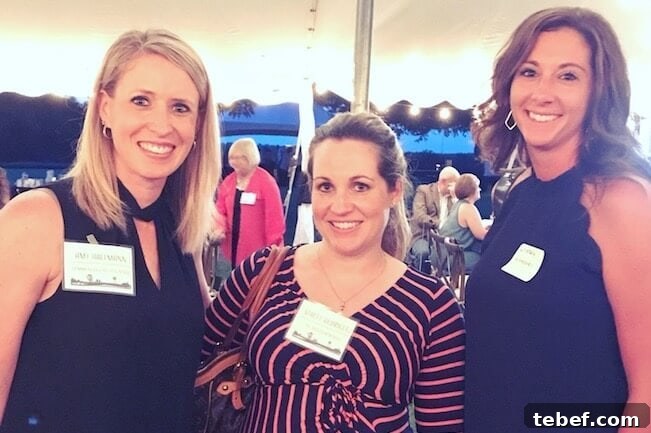
Meeting growers like Rodney and Susan Schronk, the Kimbrells, the Sawyers, and others put a human face on farming. Their commitment to quality, conservation, and community was clear. They take pride in responsibly producing the food that ends up on our tables.
The biggest takeaway for me was simple: do your own research and go to the source. Media coverage can be sensationalized, so when you want factual answers about food and farming, hearing directly from scientists, regulators, and farmers is often the best place to start.
And when you meet a farmer, thank them for the work they do to feed our communities.
Disclaimer: This post is sponsored by the Water Grows Initiative, Texas Corn Producers, and the USDA Natural Resources Conservation Service; however, all opinions are my own.
Our Favorite Recipes Using Corn:
Cajun Shrimp Foil Packets with Sausage & Corn
Calabaza: Tex-Mex Goulash