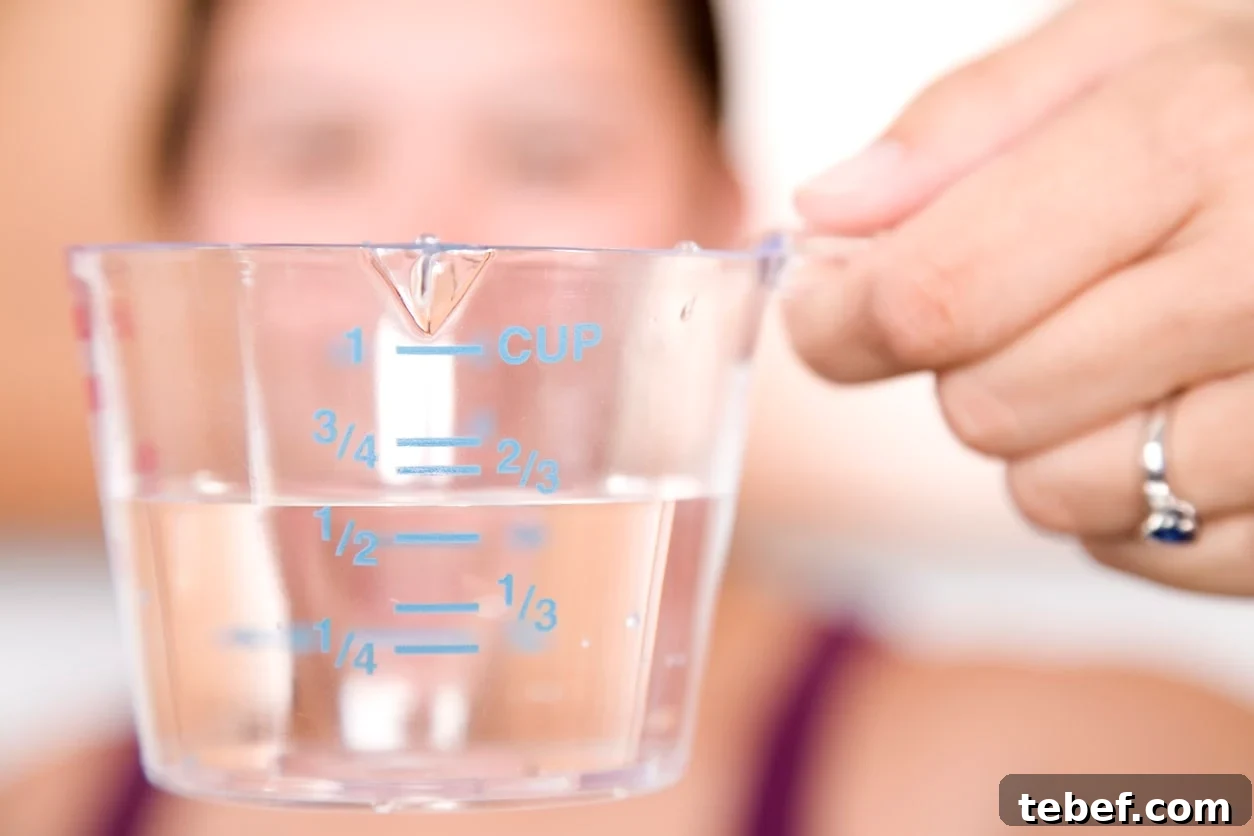
If you cook regularly, you’ve likely paused mid-recipe to ask, how many cups are in a quart? It’s a common question in home kitchens, whether you’re measuring liquids or dry ingredients, adjusting a recipe, or converting between units. This guide gives clear, practical conversions using the United States customary system, the format most American recipes use. If you work with metric or imperial units, conversions can differ, so this article focuses on US cups, pints, quarts, and gallons to keep things straightforward.
Understanding these basic relationships makes following and scaling recipes far easier. Below are the common kitchen volume conversions you’ll reference most often:
1 gallon = 4 quarts, 8 pints, 16 cups
1 quart = 2 pints, 4 cups
1 pint = 2 cups
These fundamentals apply to liquid measurements like water, milk, and broth. For dry ingredients, be aware that density and packing affect accuracy—brown sugar, for example, packs down tightly while flour can be aerated—so a scale will always be more precise for baking. Still, when recipes list cups, the conversions below will serve you well for most cooking needs.
How Many Cups In A Quart?
There are 4 cups in one US liquid quart. This standard conversion is what most recipes assume when they call for a quart of liquid.
How Many Cups In A Pint?
One pint contains 2 cups.
How Many Pints In A Quart?
A quart equals 2 pints.
How Many Quarts In A Gallon?
A gallon consists of 4 quarts.
How Many Cups Are In A Gallon?
A gallon contains 16 cups.
An Easy Memory Trick
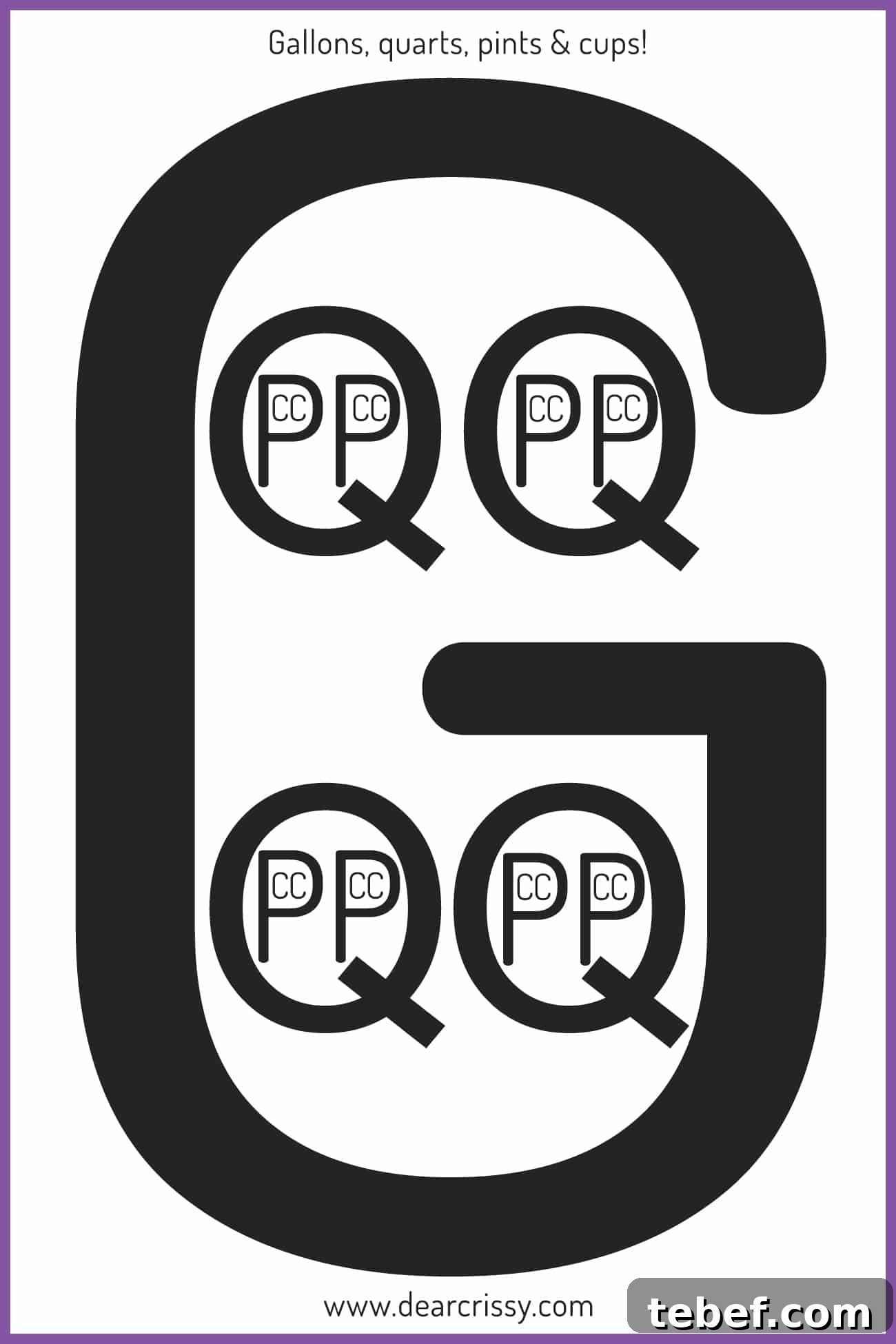
One simple way to remember these relationships is to visualize nesting containers: picture a big G for gallon containing four Qs (quarts); each Q contains two Ps (pints); each P contains two Cs (cups). Because each unit nests inside the next, the pattern becomes easy to recall without needing a chart every time.
Why Conversions Can Be Confusing
Confusion often arises because recipes worldwide use different measurement systems. In the US, cooks use US cups, pints, quarts, and gallons. Elsewhere, recipes may use metric liters, grams, or imperial measures that don’t match US values exactly. When switching between systems, taking a moment to confirm conversions prevents mistakes.
For baking especially, precision matters. Use dry measuring cups for dry ingredients and liquid measuring cups for liquids to improve accuracy. For sensitive recipes or when scaling up and down, a digital scale is the best tool to ensure consistent results.
Quick Kitchen Conversion Chart
Use the table below as a quick reference for liquid conversions commonly used in recipes.
| Measurement | Equals |
|---|---|
| 1 gallon | 4 quarts |
| 1 gallon | 8 pints |
| 1 gallon | 16 cups |
| 1 quart | 2 pints |
| 1 quart | 4 cups |
| 1 pint | 2 cups |
This chart is ideal for liquids and for dry ingredients that level easily, such as rice or oats. For ingredients that compact or fluff differently, consider weighing them for the best consistency.
Frequently Asked Questions
No. A dry quart is slightly larger than a liquid quart and is used for measuring dry commodities like berries or grains. Most home cooking and recipes reference the liquid quart, so that is the common standard to follow for everyday use.
Group cups into sets of four—every four cups equal one quart. This simple grouping method avoids extra math and is quick to use while cooking.
Recipes originate from regions that use different measurement systems: metric, US customary, or imperial. Knowing which system a recipe uses and having a simple conversion chart on hand helps you follow the recipe accurately and reproduce results consistently.
Keeping a compact conversion guide in your kitchen removes guesswork and makes cooking more enjoyable. Whether you’re doubling a soup, halving a casserole, or following a baking recipe to the letter, these conversions will save time and reduce stress so you can focus on the food and the people you’re cooking for.
More Useful Posts
- How Many Ounces in a Gallon?