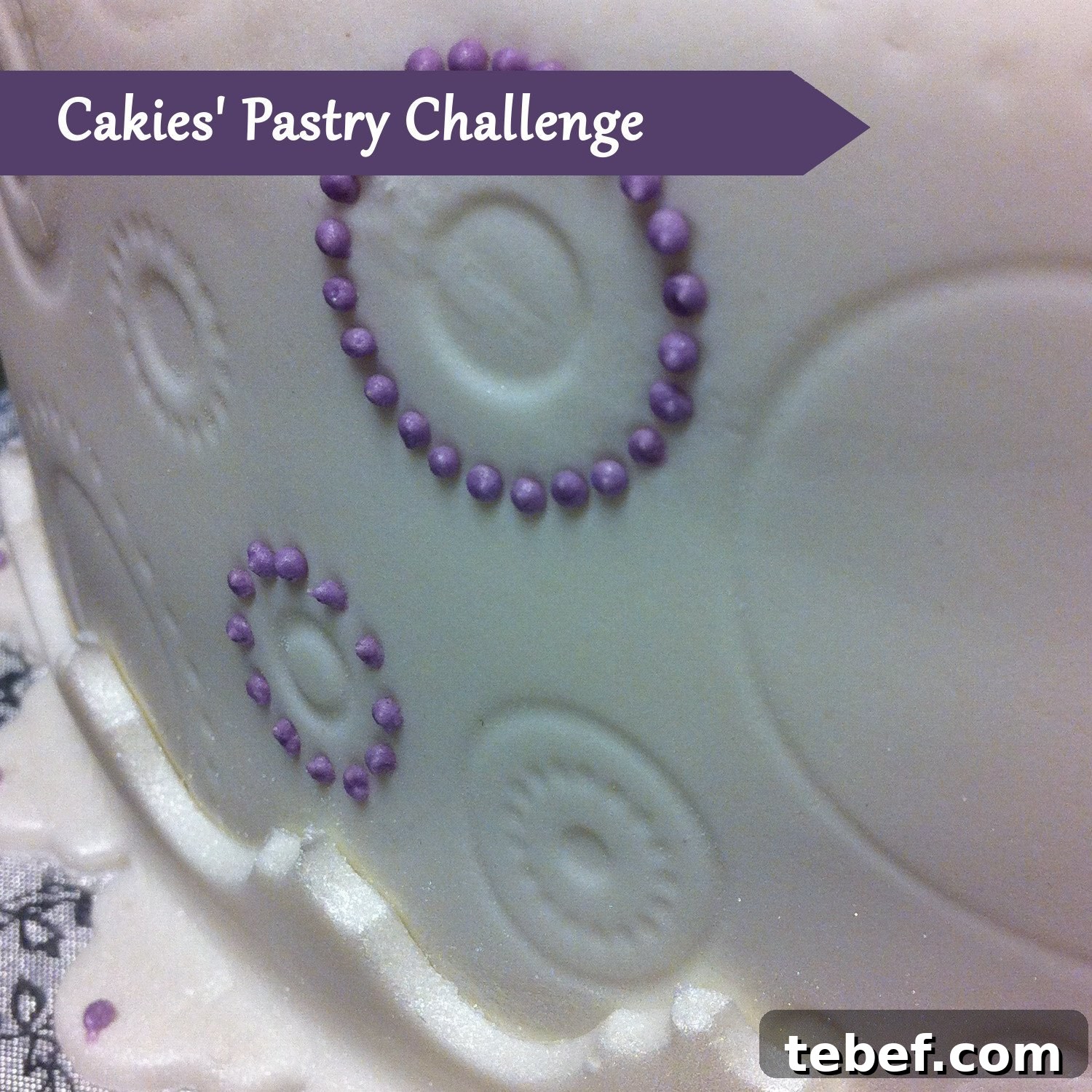
This week’s class focused on working with various structural techniques for cake decorating. We explored different construction methods to change a cake’s silhouette and experimented with a new style of bow compared to what we practiced last week. The session also included a hands-on demonstration for creating drapery effects using fondant, and the results showed how structure and texture can transform a simple cake into an elegant centerpiece.
The drapery exercise was enjoyable, though it also taught me a lot about technique and material behavior. My first attempts didn’t hold up as I expected—my fondant kept cracking and the folds refused to sit smoothly. In hindsight, the problem was weight: my initial panels of fondant were too thick and heavy for the intended drape. Once I rolled the fondant much thinner for the last drapery piece, the result was dramatically better. The thinner thickness allowed for more natural folds and reduced the tendency to break, which proves how important material thickness is when aiming for realistic fabric effects on a cake.

Beyond technical adjustments, the class emphasized planning: consider the weight of each decorative element, where to attach supports, and how the overall structure will interact with the cake’s tiers. Small changes in placement and support can make a significant difference in the finished appearance and stability. For instance, a lightweight bow constructed from wafer paper or thin fondant sits very differently on the cake than a dense gum paste bow, and each requires a different internal support strategy to keep it secure without damaging the cake’s surface.
Working with different types of structures was particularly inspiring because the same cake can adopt a completely different personality depending on the chosen technique. Adding architectural elements, textured panels, or sculpted drapery introduces visual depth and movement. Even simple patterning or a modest support frame can change how the cake reads from the table: it becomes more sculptural, more dynamic, or more elegant depending on the chosen approach. These structural options enable decorators to tailor designs to specific events, themes, or client preferences.

Patience emerged as another key lesson. Elements that look simple in photos often require several hours to execute cleanly. Rolling, cutting, shaping, and attaching delicate drapery or precise bows are time-consuming steps that reward attention and steady hands. The process of refining each fold and smoothing each seam takes time, and rushing those steps usually results in visible flaws. Approaching the work with patience and planning prevents many common issues and improves the overall professional quality of the finished piece.
Overall, this week reinforced practical principles for cake decoration: control your material thickness, choose appropriate supports, and allow sufficient time for detail work. Trying different structural techniques not only expands your creative toolkit, it also deepens your understanding of how materials behave under various conditions. With practice, these lessons translate into more refined, reliable decorating methods and more confident design choices for every cake project.