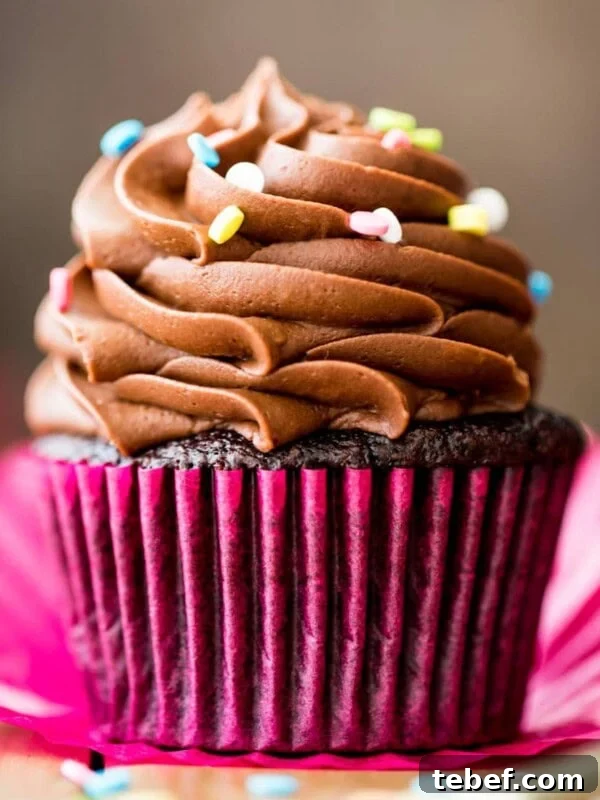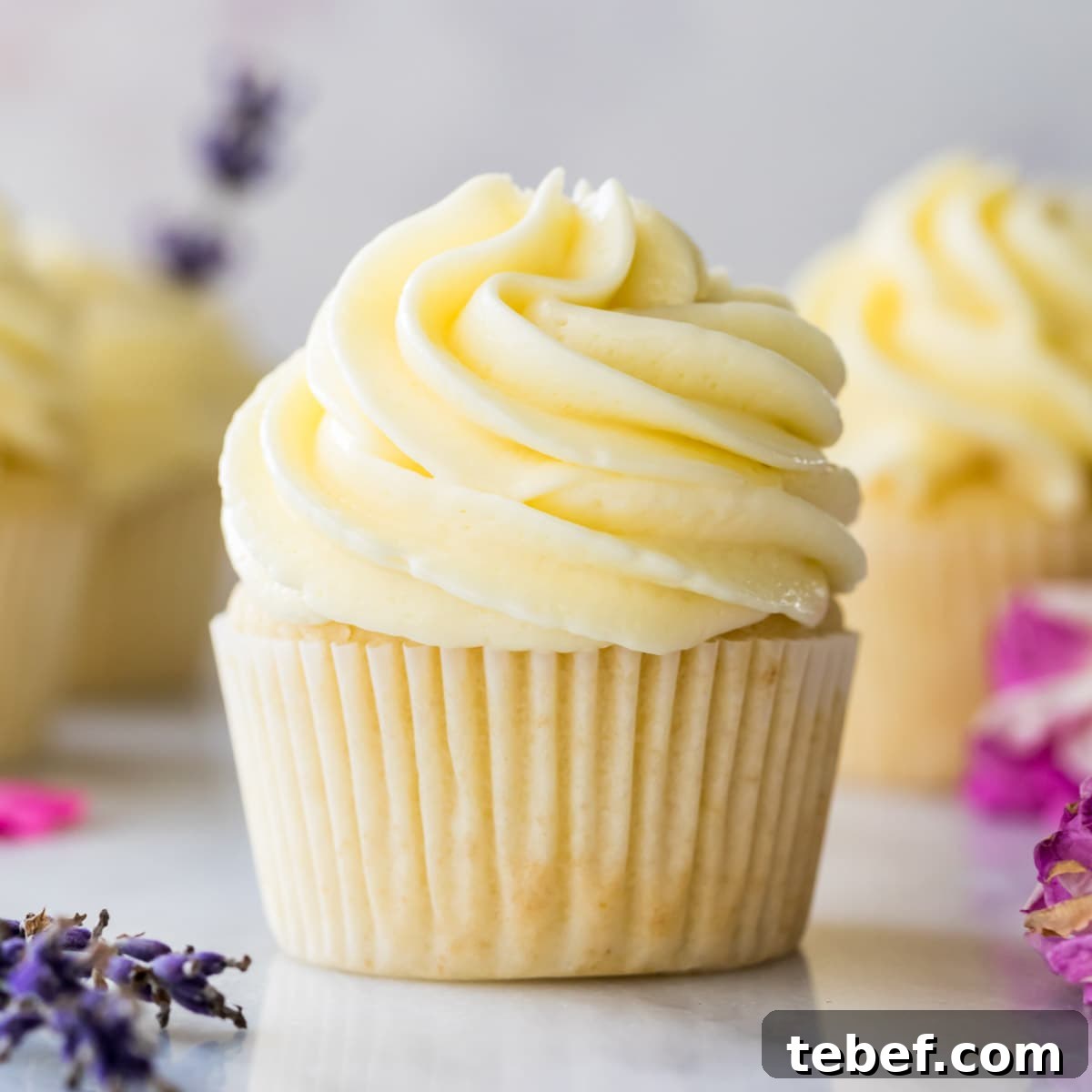
This custard-based German Buttercream is ideal for anyone who prefers a frosting that’s not overly sweet. Silky and soft, it pipes beautifully and complements any cake flavor. Watch the how-to video included below for step-by-step guidance.
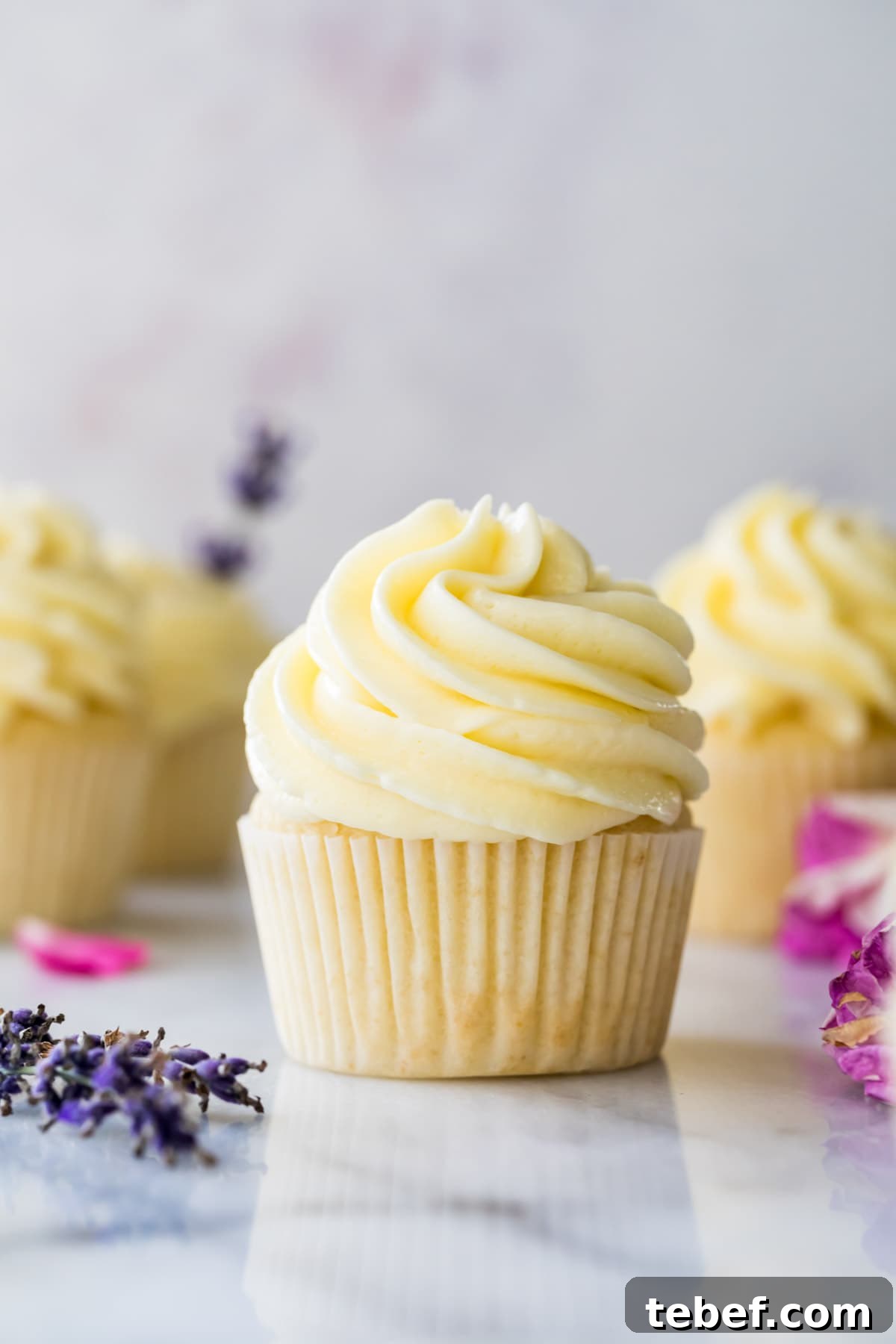
Last week I shared a straightforward pastry cream recipe. This week, I turn that pastry cream into a smooth, subtly sweet German Buttercream. Like Swiss meringue buttercream, German buttercream begins with a cooked egg base; here we use egg yolks to create a rich custard that becomes the foundation of the frosting. Once combined with butter, the result is flavorful, light on sweetness, and luxuriously smooth.
German buttercream is versatile and pairs well with cupcakes, layer cakes, donuts, and more. Because it contains a cooked custard rather than only butter and powdered sugar, it requires a bit more attention and technique, but it is well worth the effort. Follow the steps below and you’ll achieve a stable, silky buttercream.
Important: German buttercream does not hold up well in heat. It is essentially butter combined with a pudding-like custard, so it will soften or melt in warm conditions. Keep it chilled until serving and avoid exposing finished cakes to high temperatures.
What You Need
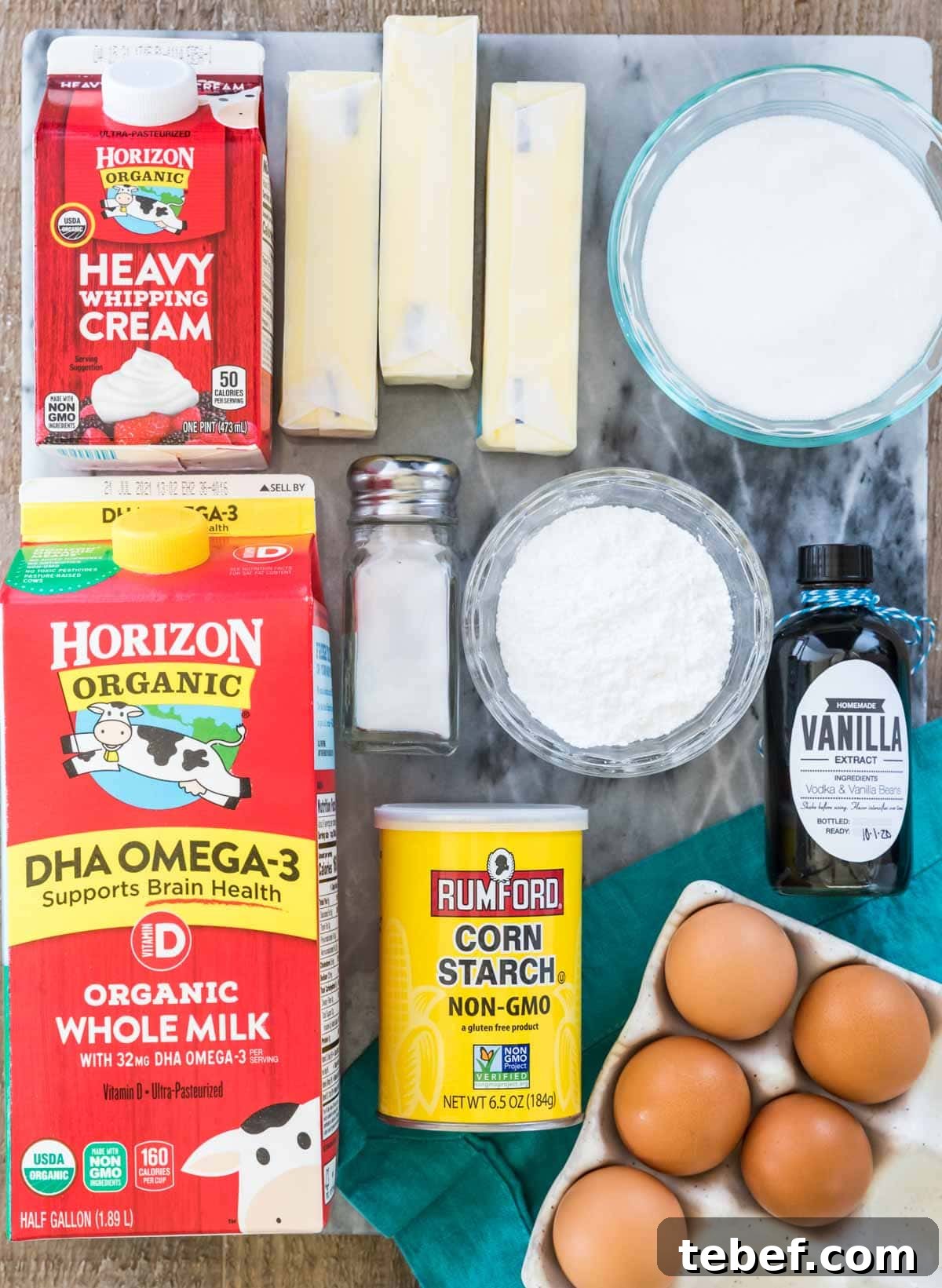
The ingredient list mirrors a classic pastry cream with a few additions for forming the buttercream. Below is a summarized list and brief notes about each ingredient.
- Whole milk – part of the liquid base for the pastry cream.
- Heavy cream – used with milk to create a rich custard.
- Egg yolks – five yolks give the custard body and color; you’ll have egg whites left over to use in other recipes.
- Cornstarch – thickens the custard to a pudding-like consistency.
- Granulated sugar – sweetens the pastry cream; optional powdered sugar can be added to the finished buttercream if you want it sweeter.
- Unsalted butter – use unsalted and softened (not greasy or melted) so you control final salt levels.
- Vanilla – vanilla extract or vanilla bean adds classic flavor.
- Salt – a pinch balances richness and enhances flavor.
SAM’S TIP: This buttercream naturally has a pale yellow tint from the egg yolks. If you prefer a whiter finish, use vanilla beans or clear vanilla extract, whip the butter longer to lighten it, or add a very small amount of violet gel coloring to neutralize the yellow.
Scroll to the recipe section for exact measurements and complete instructions.
How to Make Pastry Cream for German Buttercream
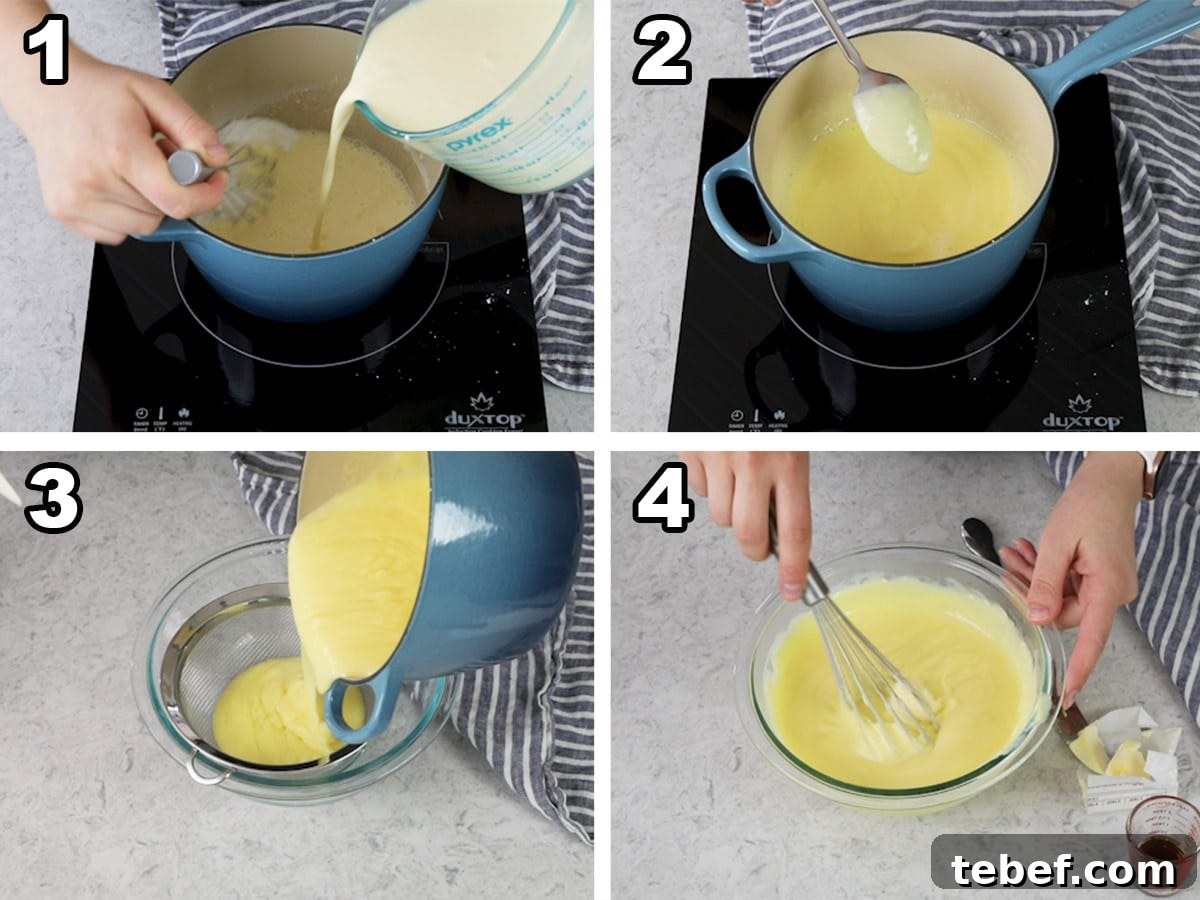
- Whisk milk, cream, and egg yolks together until smooth.
- In a saucepan, combine sugar, cornstarch, and salt. Slowly whisk in the cream mixture until no lumps remain.
- Cook over medium heat, stirring constantly, until the mixture thickens to a pudding-like consistency and coats the back of a spoon.
- Remove from heat, strain through a fine-mesh sieve into a heatproof bowl, then whisk in butter a tablespoon at a time and stir in vanilla.
Press plastic wrap directly onto the surface of the pastry cream to prevent a skin from forming, then chill until completely cold. Before making the buttercream, bring both the pastry cream and the butter to nearly room temperature so they match. If temperatures differ, the frosting can split or curdle.
How to Make German Buttercream
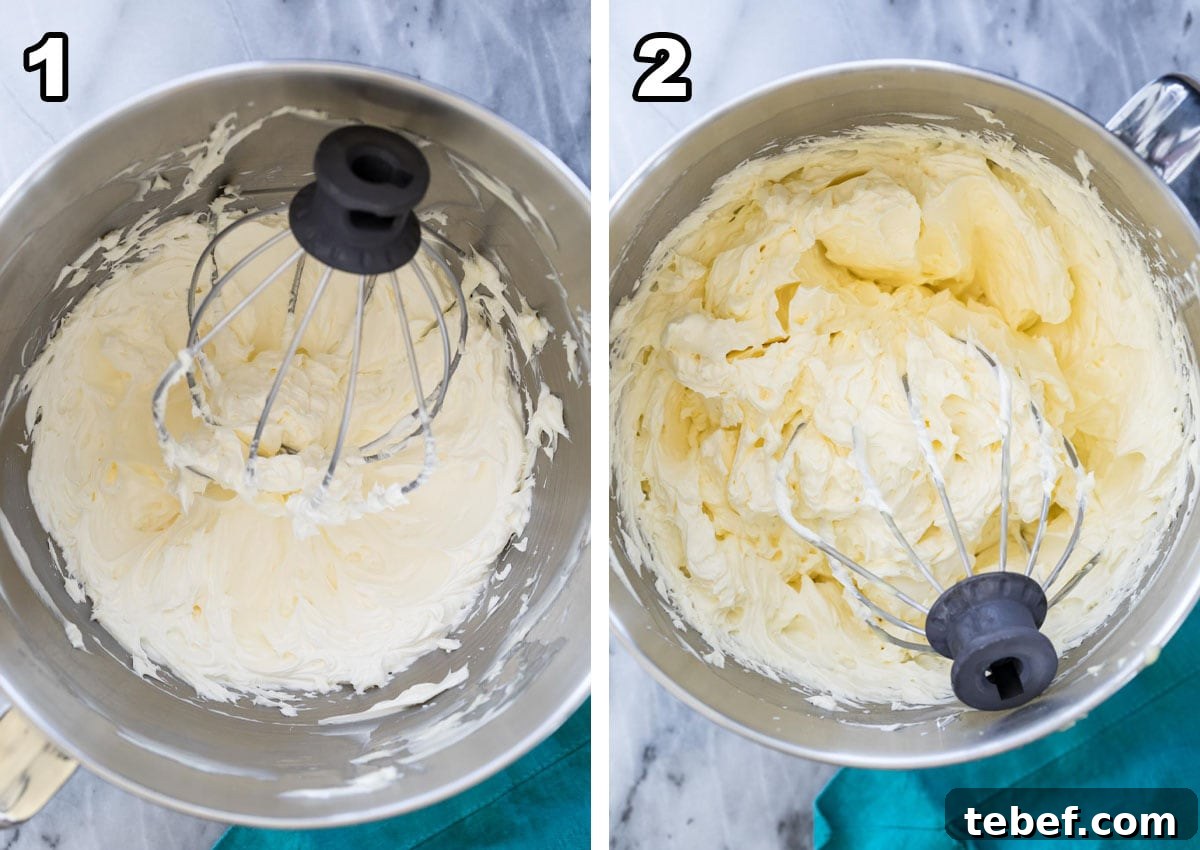
- Beat softened unsalted butter on high speed until light and fluffy, about 3–5 minutes. A stand mixer with a whisk or paddle works best.
- Reduce mixer speed and add the cooled pastry cream gradually, one spoonful (about 1–2 tablespoons) at a time, waiting until each addition is fully incorporated before adding the next.
- After all pastry cream is added, increase the mixer speed and beat until light and airy. Taste and add up to 1/2 cup powdered sugar if you prefer a sweeter frosting. Add any desired flavorings or colorings, then pipe or spread onto cakes or cupcakes.
SAM’S TIP: It’s essential that the pastry cream and butter are the same temperature and that the butter is softened but not oily. If they aren’t, the buttercream may split. If it does split, chill the bowl 10–15 minutes and continue beating; it can usually be brought back together.
Troubleshooting
German buttercream can be sensitive, and the most common issue is curdling or splitting. Typical causes and solutions:
- Too much pastry cream added at once: Add only one spoonful at a time and fully incorporate before adding more.
- Temperature mismatch: Ensure both pastry cream and butter are at near room temperature before combining.
- Frosting overheated: Warm environments or excessive whipping can make the frosting too soft. Chill briefly and re-whip if needed.
Split buttercream is often fixable by refrigerating briefly and then continuing to mix until smooth.
Frequently Asked Questions
Yes. The buttercream has a mild base flavor, so you can add extracts, citrus zest, melted chocolate, or gel food coloring to match your desired taste and appearance.
Yes. Because it contains custard and butter, store it in the refrigerator. It will keep for up to one week in an airtight container. Bring it to room temperature and re-whip briefly before using.
Graininess can come from overcooked custard, undissolved sugar, or fat separation. Refer to the troubleshooting tips above and ensure proper cooking and mixing technique.
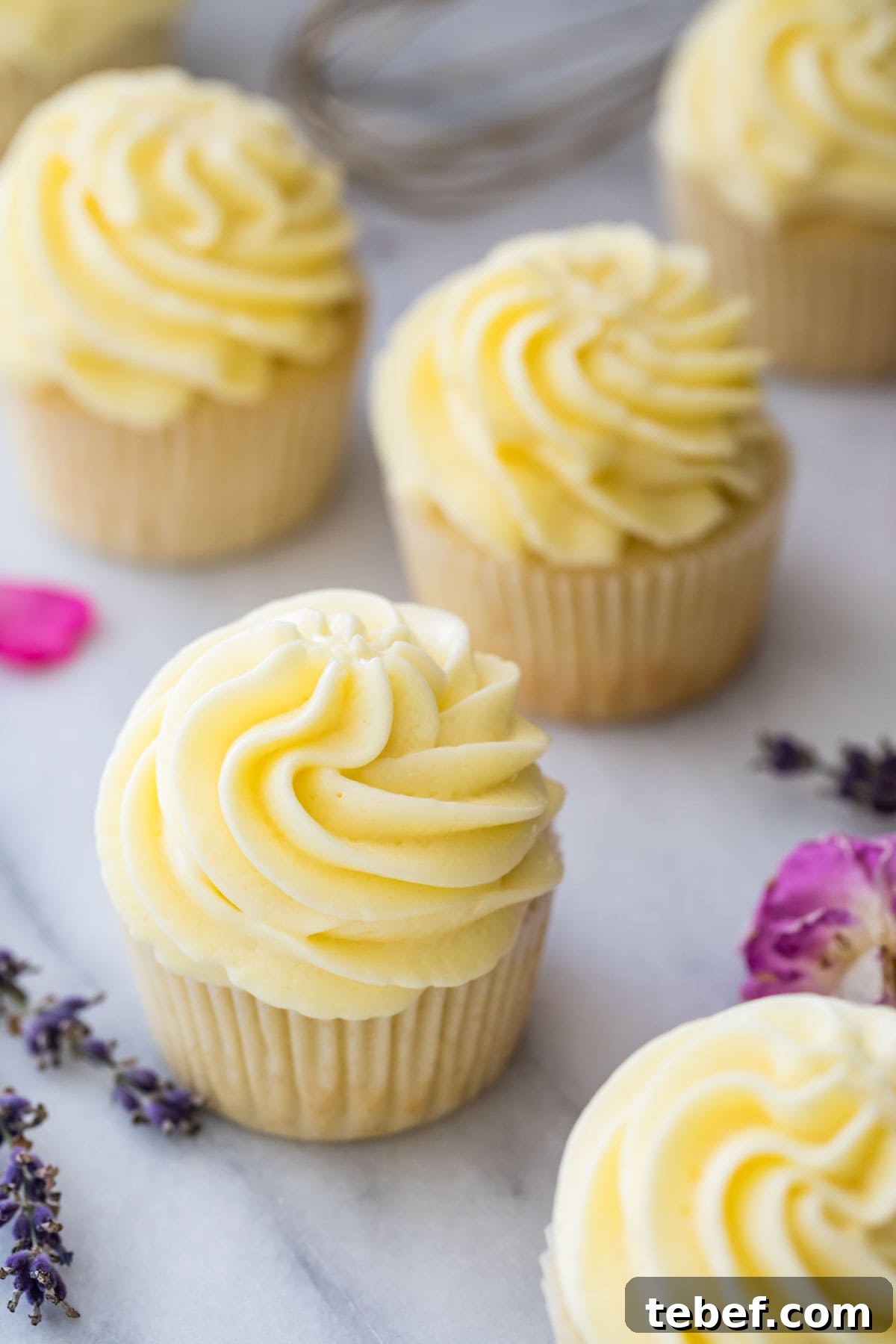
Enjoy decorating and serving with confidence—this buttercream is elegant, balanced, and delicious when prepared carefully.
More Recipes You Might Like
- Ermine Frosting
- Brown Butter Frosting
- Stabilized Whipped Cream Frosting
- White Chocolate Buttercream
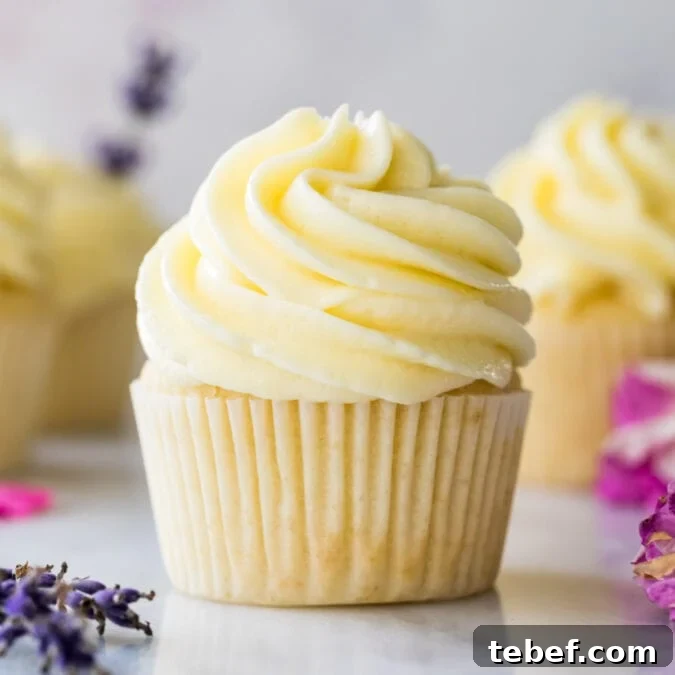
German Buttercream Frosting
Video: German Buttercream (how-to video included in original post)
Equipment
- Medium saucepan
- Fine mesh strainer
- Baking sheet
- Mixing bowls
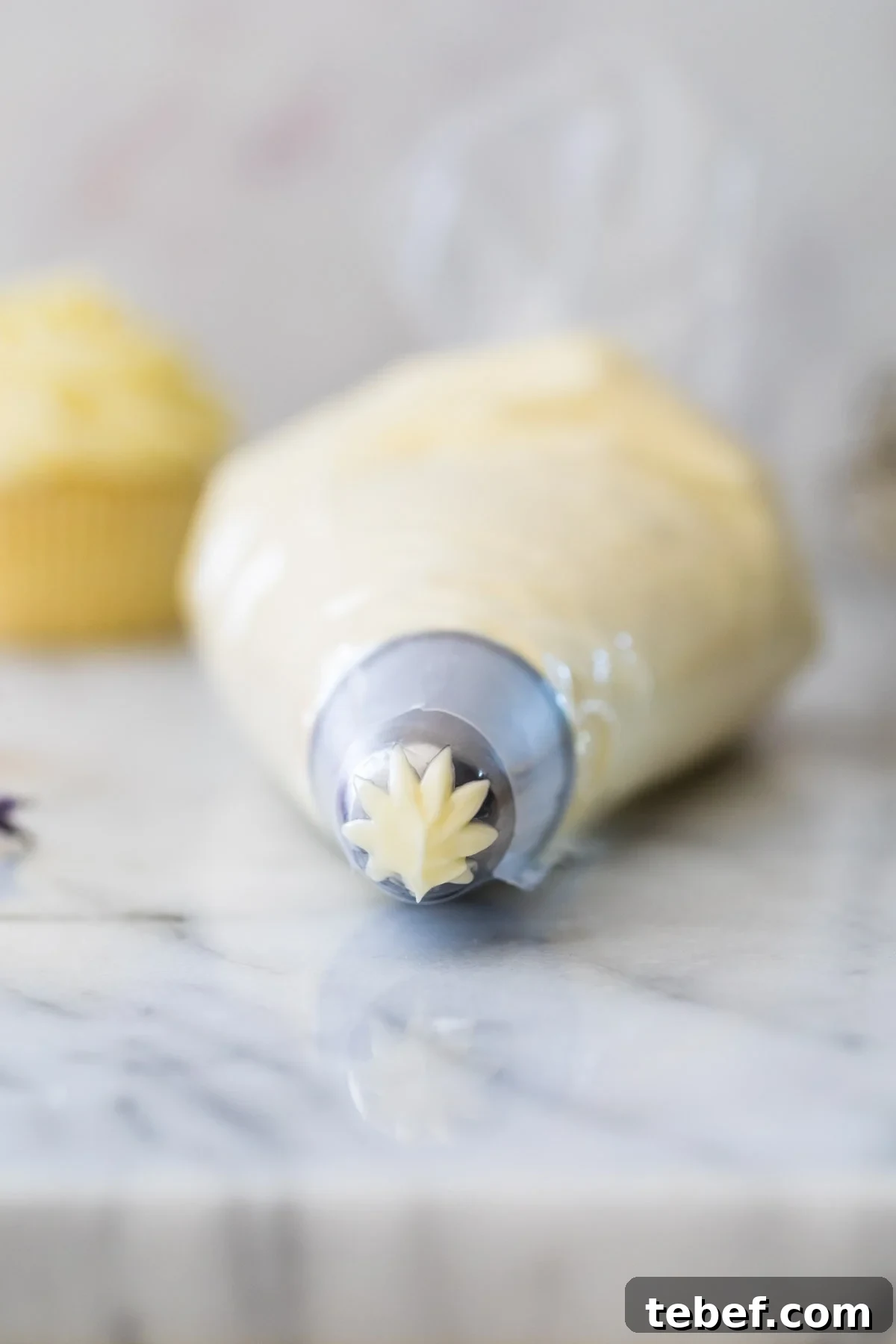
- Optional: Ateco 848 piping tip for decorating
Ingredients
For Pastry Cream
- 1 cup (236 ml) whole milk
- 1 cup (236 ml) heavy cream
- 5 large egg yolks
- 2/3 cup (133 g) granulated sugar
- 1/4 tsp table salt
- 3 Tablespoons cornstarch
- 4 Tablespoons (57 g) unsalted butter, cut into pieces
- 1 1/2 teaspoons vanilla extract
For Frosting
- 1 cup (226 g) unsalted butter, softened (not oily)
- 1/2 cup (63 g) powdered sugar, optional
Instructions
For Pastry Cream
- Whisk milk, cream, and egg yolks in a medium bowl until combined.
- In a saucepan, whisk together sugar, cornstarch, and salt. While whisking, drizzle in the cream mixture until smooth.
- Cook over medium heat, stirring constantly, until thickened to a pudding-like consistency.
- Remove from heat and strain through a fine-mesh sieve into a heatproof bowl. Whisk in butter, one tablespoon at a time, then stir in vanilla.
- Place plastic wrap directly on the surface and refrigerate until completely chilled. Before making the frosting, warm the pastry cream and butter to nearly room temperature.
For German Buttercream
- Ensure pastry cream and butter are the same temperature before starting.
- Beat softened butter in a stand mixer on high speed until light and fluffy, 3–5 minutes.
- Reduce speed and add the chilled pastry cream gradually, one spoonful (1–2 Tbsp) at a time, fully incorporating each addition.
- After all pastry cream is added, increase speed to medium-high and beat until fluffy.
- Taste and add up to 1/2 cup powdered sugar if desired. Pipe or spread onto cakes and cupcakes.
Notes
Troubleshooting
See the troubleshooting section above for help with splitting or curdling.
Storage
Store German buttercream in the refrigerator for up to one week in an airtight container. Bring to room temperature and re-whip before using. Freezing is not recommended for custard-based frostings.
Nutrition
Serving: 1 | Calories: 346 kcal | Carbohydrates: 20 g | Protein: 2 g | Fat: 29 g
Nutrition information is an approximation.
Like this? Leave a comment below!
German Buttercream is great on all of these recipes!
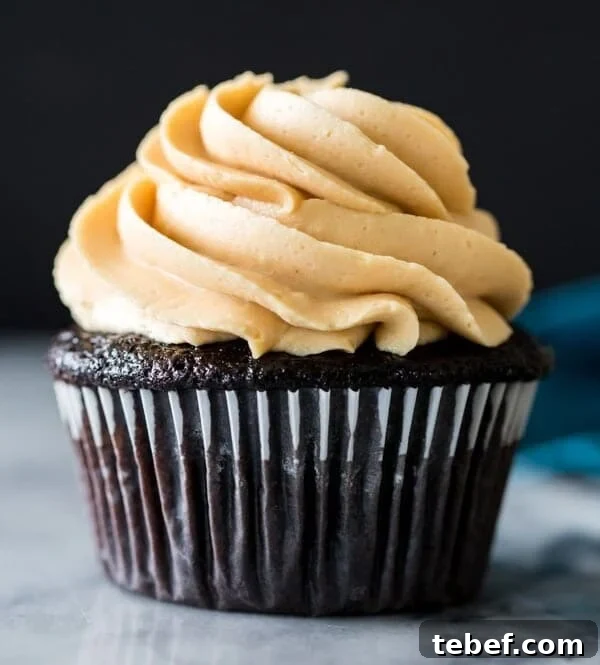
Dark Chocolate Cupcakes (with Peanut Butter Frosting!)
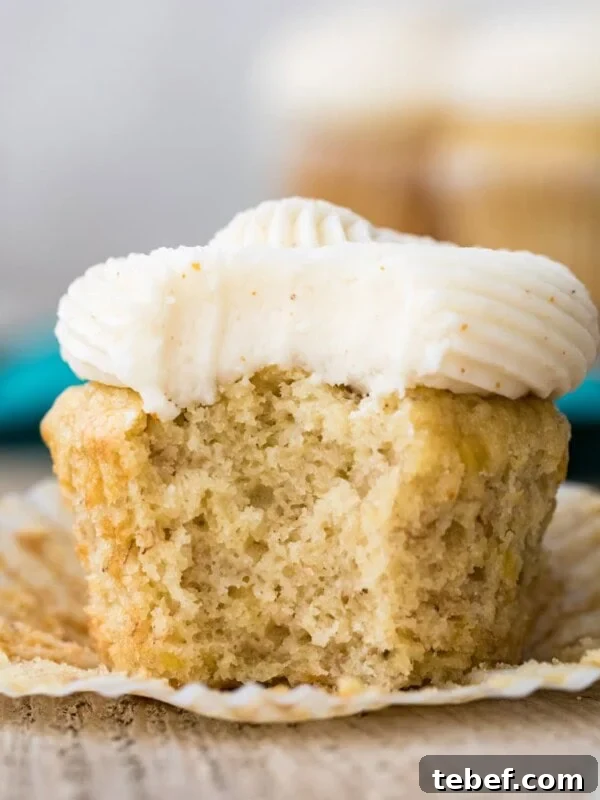
Banana Cupcakes
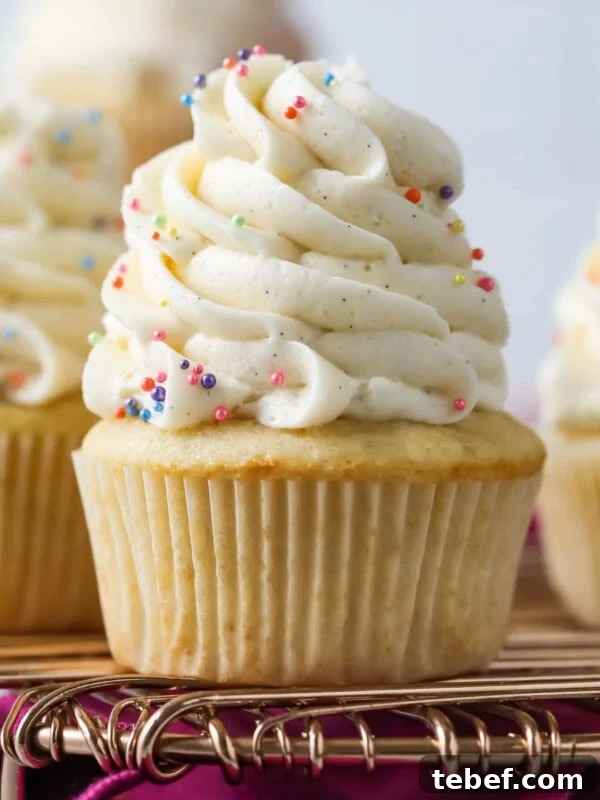
Vanilla Cupcake Recipe