A week at home without work travel is a real luxury. No airports, no planes, no hotel rooms — just uninterrupted time to catch up on projects I never seem to finish during busy workweeks. It’s a chance to cook, photograph recipes in good natural light, and tackle small but useful home tasks.
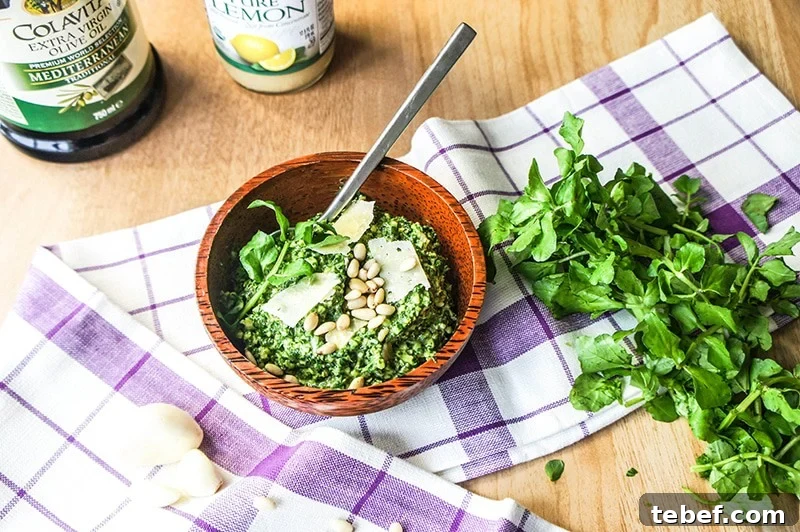
One of my priorities this week was testing and photographing recipes like this Super Green Watercress Pesto. With a clear midday window of light I was finally able to make it, taste it, and take photos that show how bright and fresh it looks.
There are also the less glamorous chores: tracking down a grout cleaner for the bathroom tile, running to hardware and photography stores for new props, and squeezing workouts into the schedule. Driving around the city can be frustrating, but I try to balance errands with deliberate time for movement and meal prep.
When I get a break from the five-day work routine I like to challenge myself physically and mentally. I make a checklist of workouts and small goals for the week, and checking boxes keeps me motivated. That structure helps me avoid defaulting to evenings out or scrolling on social media — though there is always time for friends and relaxation too.
Since I discovered how nutritious watercress is — and how well it pairs with fish and roasted vegetables — I’ve been finding ways to include it in weekly meal prep. Watercress is a potent green with a peppery bite, and it works especially well when combined with other flavors that balance its sharpness.
This pesto is a keeper. We used it in several ways: as a sandwich spread, drizzled over a salad, and tossed into pasta. Making pesto in a food processor yields a thick, hearty texture that holds up as a spread or dip and also mixes nicely into hot pasta when thinned slightly.
I prefer a thicker pesto that uses less olive oil than many classic recipes. The food processor gives the pesto body and texture while still letting the bright watercress flavor shine. If you prefer a looser sauce, stir in additional olive oil or a splash of warm pasta cooking water when serving.
Watercress has a fresh, peppery green taste that can be assertive on its own. To tame that pepperiness I usually blend it with other greens or add it into grains and roasted vegetables. Lemon juice and toasted pine nuts brighten the pesto and add sweet, nutty notes that balance the bitterness. If you want a milder version, try half watercress and half basil — the basil mellows the bite and keeps the pesto very green and fragrant.
When preparing the watercress for pesto I typically remove the larger stems and use mostly the leaves and tender parts. I save any smaller stems for juicing later with citrus, cucumber, or celery to avoid waste and add nutrients to a morning drink.
- 1 clove garlic
- 1/4 cup pine nuts
- 4 cups loosely packed watercress leaves (separated from stems)
- 1/3 cup shredded parmesan
- 1 1/2 tablespoons olive oil
- 1 1/2 tablespoons lemon juice
- 1/2 teaspoon sea salt
- Place the garlic and pine nuts in the bowl of a food processor. Pulse until they are finely chopped and form a coarse meal.
- Add the watercress and pulse until it comes together into a rough paste.
- Add the parmesan, olive oil, lemon juice, and sea salt. Pulse to combine.
- Scrape down the sides with a spoon and pulse a few more times until everything is well mixed and the pesto reaches your preferred consistency.
More watercress recipe ideas
- Cauliflower and Watercress Soup — a comforting, velvety option that showcases watercress in a warm bowl.
- Gingered Salmon with Grilled Corn and Watercress Salad — a bright, seasonal meal that pairs smoky corn and fresh greens with salmon.
- Potato, Parsnip, and Watercress Tortilla — a rustic, gluten-free take on a classic tortilla that highlights root vegetables and peppery greens.
- Roasted Sweet Potato, Quinoa, and Watercress Warm Salad — a nourishing, hearty salad that balances sweet roasted squash with vibrant watercress and protein-rich quinoa.
If you try this pesto, consider variations: swap half the watercress for basil, add a handful of spinach for extra volume, or use walnuts or almonds instead of pine nuts for a different nutty profile. Stored in an airtight container with a thin film of olive oil on top, the pesto will keep in the refrigerator for several days and freezes well in ice-cube trays for easy portions later.
Enjoy this bright, super-green pesto as a way to add more greens to sandwiches, pastas, and grain bowls — it’s an easy, flavorful way to bring a nutritious punch to many meals.