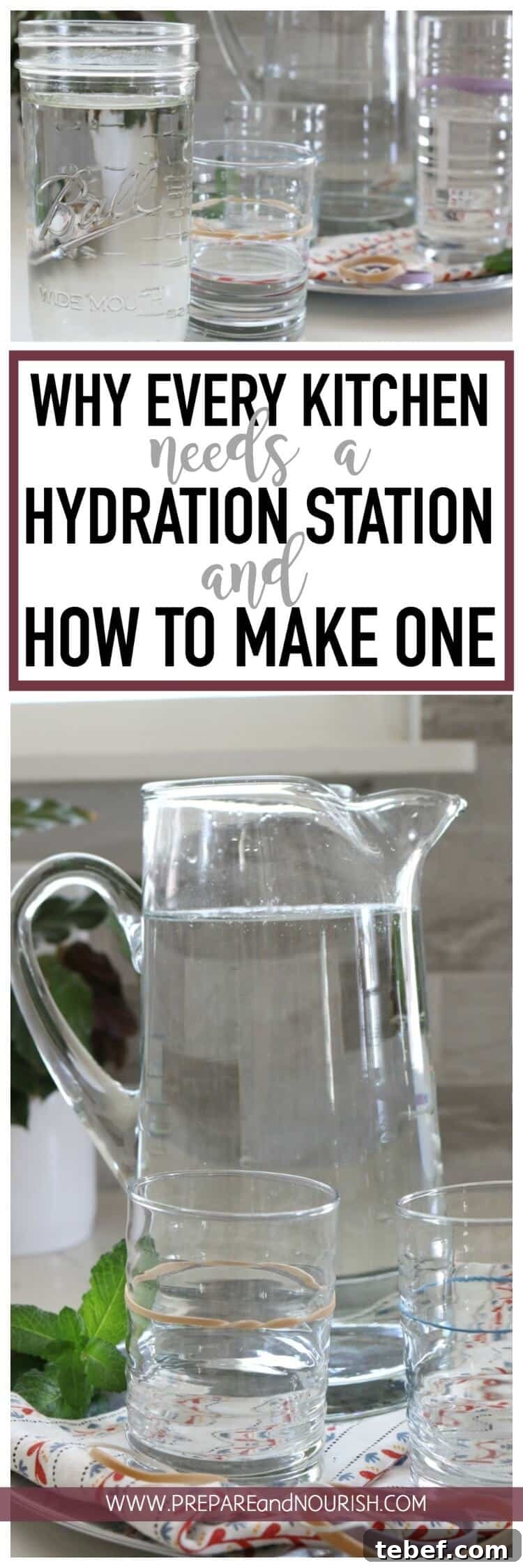
Check out two reasons why you should have a hydration station in your kitchen and learn how to easily make one.
At the end of our counter, just by our door that leads to the patio area, we keep a simple setup: a water pitcher and several glasses on a small tray. The tray came from an estate sale and sits alongside a little IKEA plant. It’s unassuming, but that small corner is our hydration station.
It may seem unnecessary to dedicate space for water, but a hydration station brings real benefits to any kitchen.
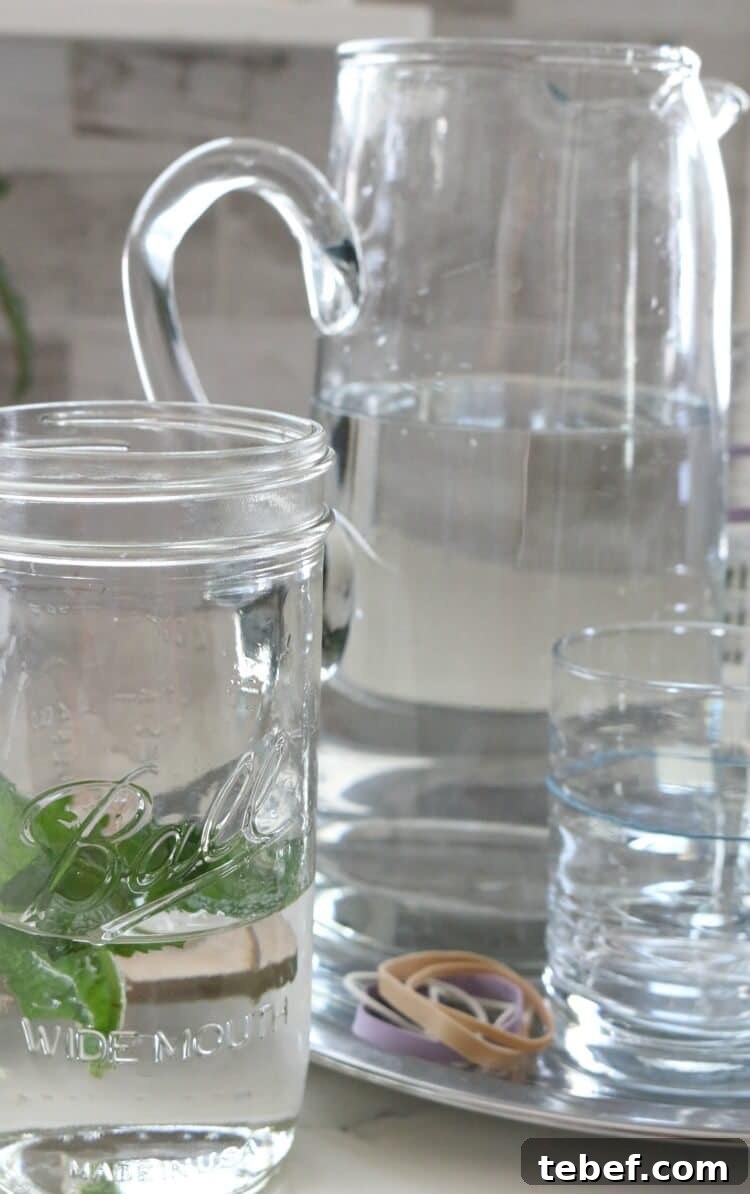
Why Every Kitchen Needs a Hydration Station
Convenience Reasons
Raise your hand if you are tired of glasses scattered all over the kitchen. They end up everywhere—left by the sink, near the toaster, or on the island. Everyone grabs a fresh glass, then sets it down somewhere else. Teaching people to reuse a single glass can work, but it’s often confusing to track whose drink is whose.
I tried telling family members where their glass was—“yours is next to the mixer,” “yours is by the blender”—but it can become a running game of hide-and-seek.
Instead of disposable cups, make reuse easy. A hydration station keeps the pitcher and all the glasses together in one place so people naturally return their glass after drinking.
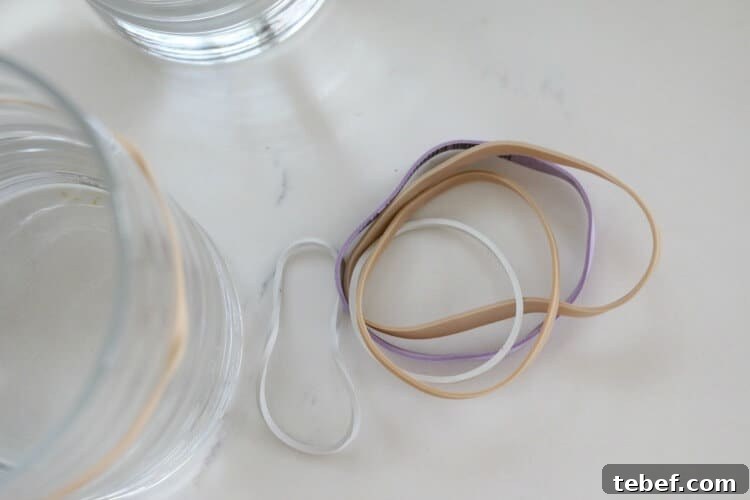
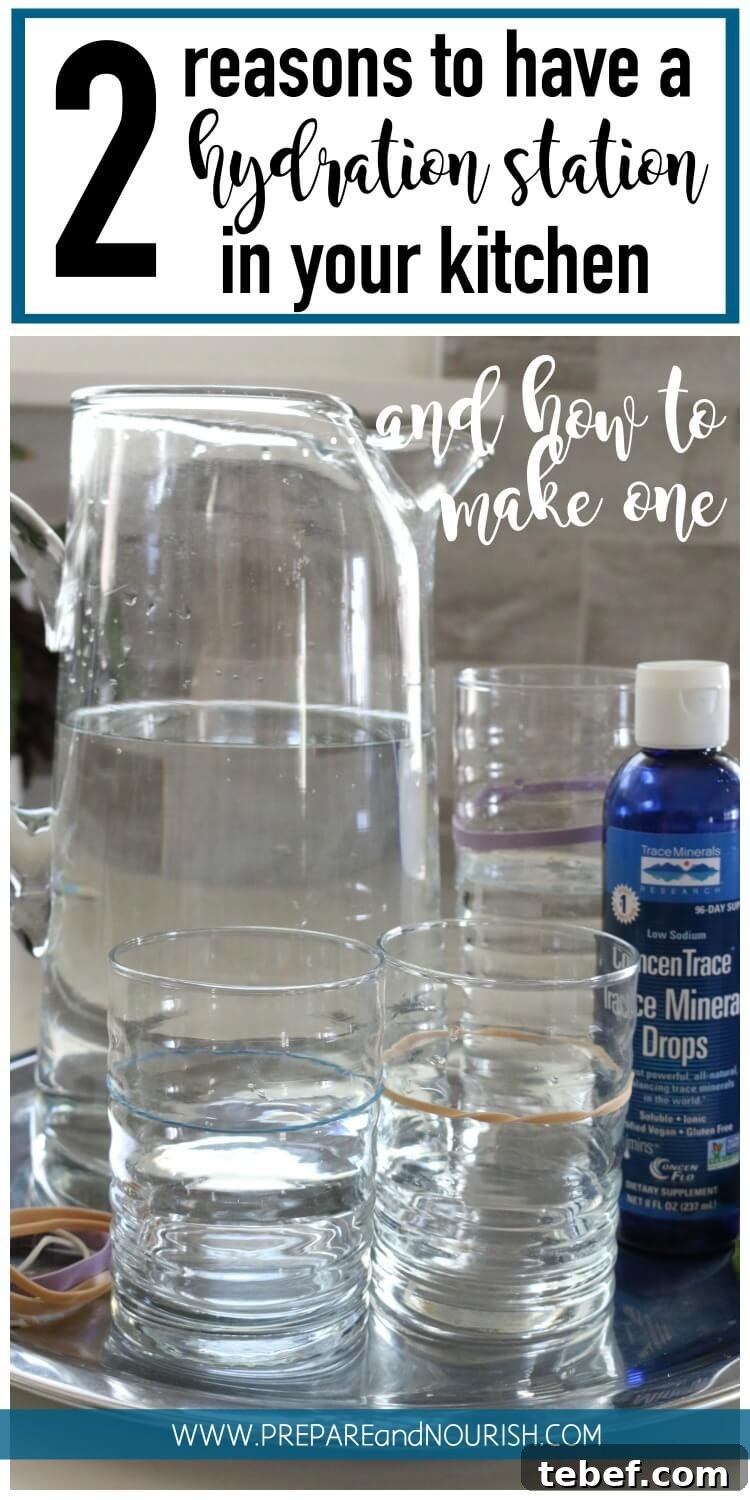
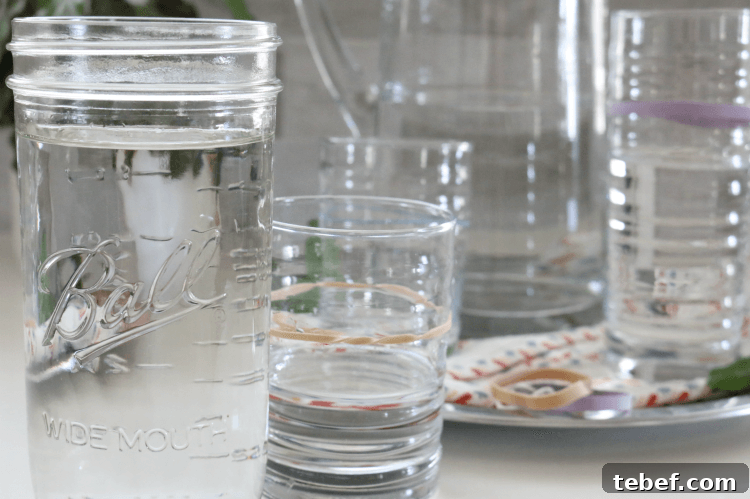
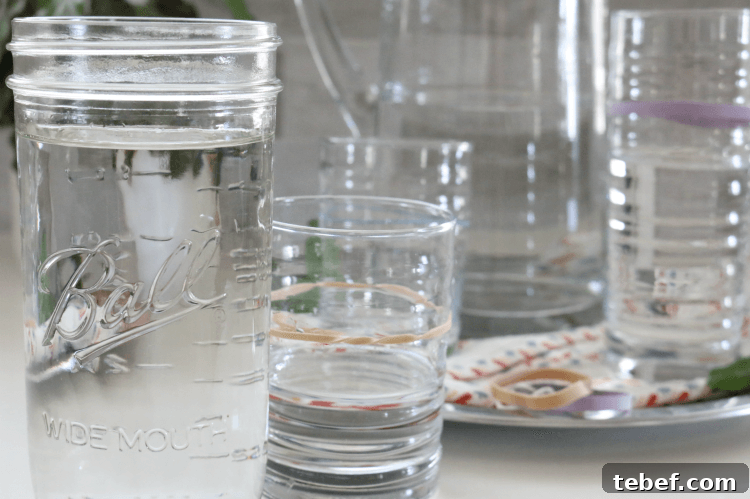
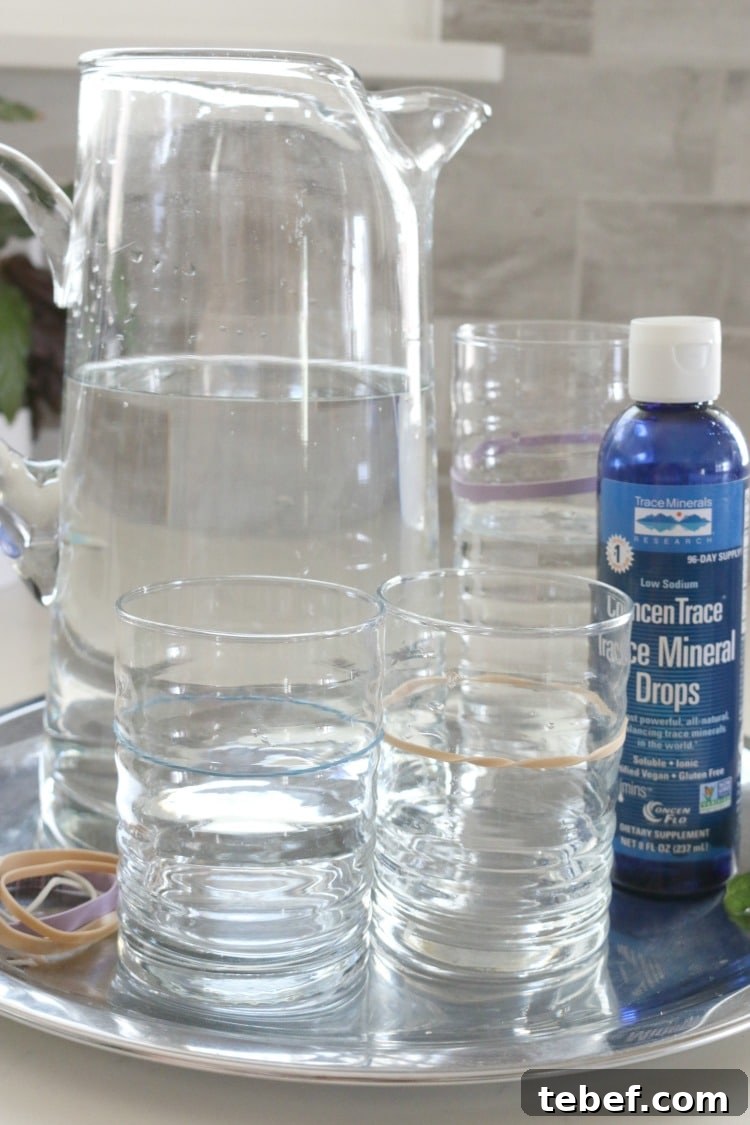
How to identify glasses: Use colored rubber bands on the bases of glasses. Each family member remembers their color, so they can reuse the same glass throughout the day. You can even match a wristband to the glass color for young children to make it easier to find the right cup. Reuse produce rubber bands or any multi-colored set you have available.
Wellness Reasons
Replace lost minerals.
This is one of the main health reasons to keep a hydration station. If your home uses a heavy-duty filtration system like reverse osmosis, your water may be effectively purified but also stripped of beneficial minerals. Reverse osmosis removes chlorine, fluoride, lead, and other contaminants, but it can also remove minerals our bodies benefit from.
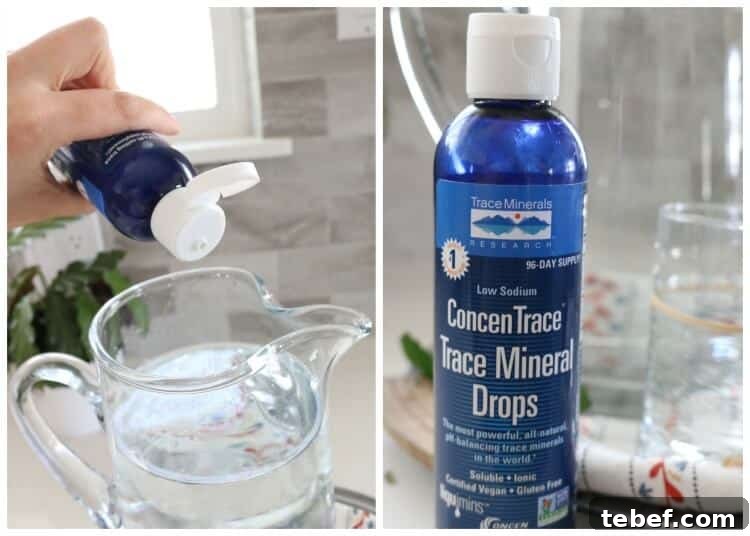
I restore minerals by adding a few drops of a trace-mineral supplement to the pitcher of water. It’s not the same as natural spring water, but it helps replenish things that filtration may remove. You can also infuse water with fresh herbs, citrus, or fruit for flavor and mild added benefits.
Avoid ice-cold water for everyday hydration.
Our average body temperature is about 98.6°F, and very cold drinks can temporarily lower internal temperature. In daily life, room-temperature water is gentler on the body and easier to absorb. Cold drinks are enjoyable on hot days or after exercise, but for routine hydration aim for water closer to body temperature.
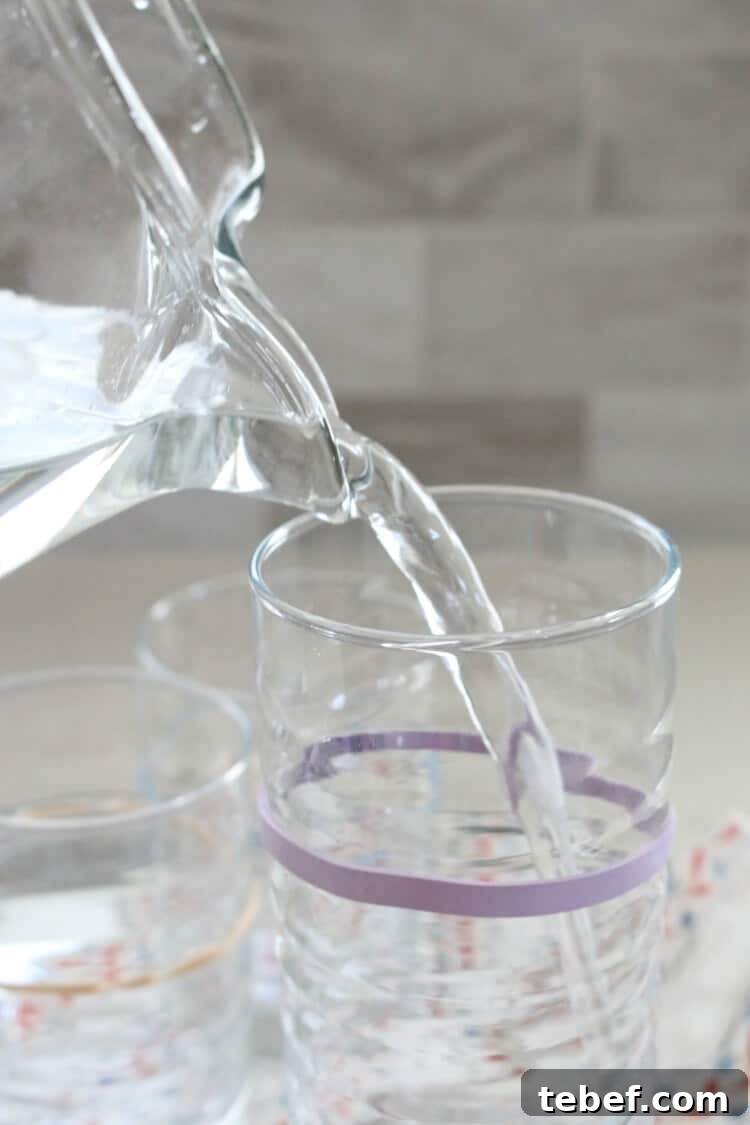
Keeping a pitcher on the counter gives you ready room-temperature water that won’t shock your system. Adding trace minerals to that pitcher ensures the water is more nourishing than plain filtered water.
How to Create a Hydration Station
It’s simple. Fill a pitcher with filtered water. Add 10–20 drops of a trace-mineral supplement if you use one and stir gently. Place several glasses with colored rubber bands around the pitcher so each person can identify their own. Ask family members to reuse the same glass during the day, then remove bands before washing at night and refill the pitcher as needed.
This setup reduces clutter, encourages regular drinking, and gives you water that’s both convenient and better suited to daily hydration. Stay hydrated.
Pin this!