If you’ve spent time online recently, it can feel like protein is the one thing everyone’s trying to optimize — protein coffee, protein desserts, protein everything. The truth is, most parents don’t need to chase a precise number or radically change how they eat.
Protein needs vary depending on activity level, life stage, health, and overall eating patterns. There’s no single target that fits everyone.
The Bottom Line for Women
Most women do best when protein appears consistently throughout the day, rather than trying to cram a large amount into one meal or hit a specific gram target at the end of the day.
That usually looks like:
- Including a protein source at most meals
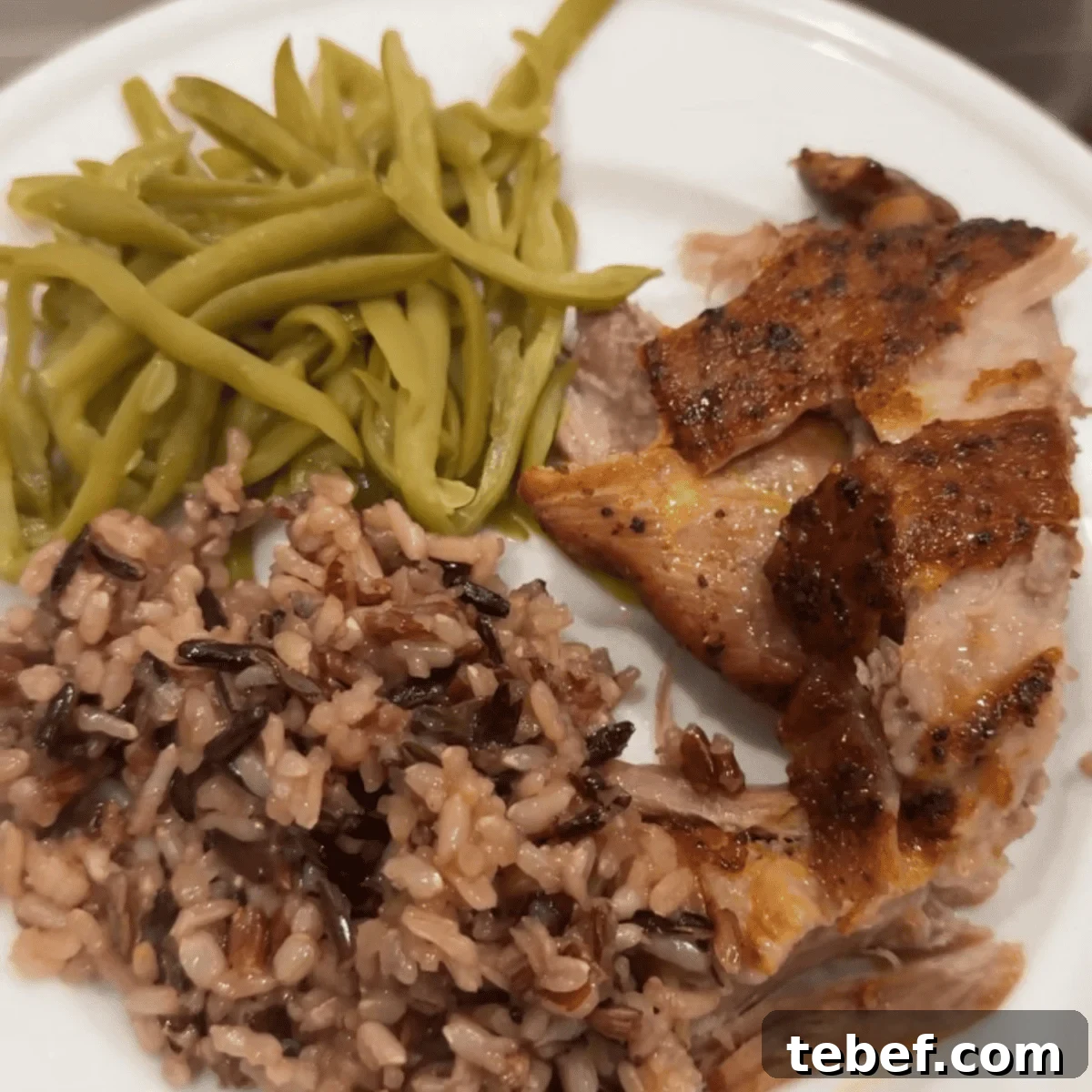
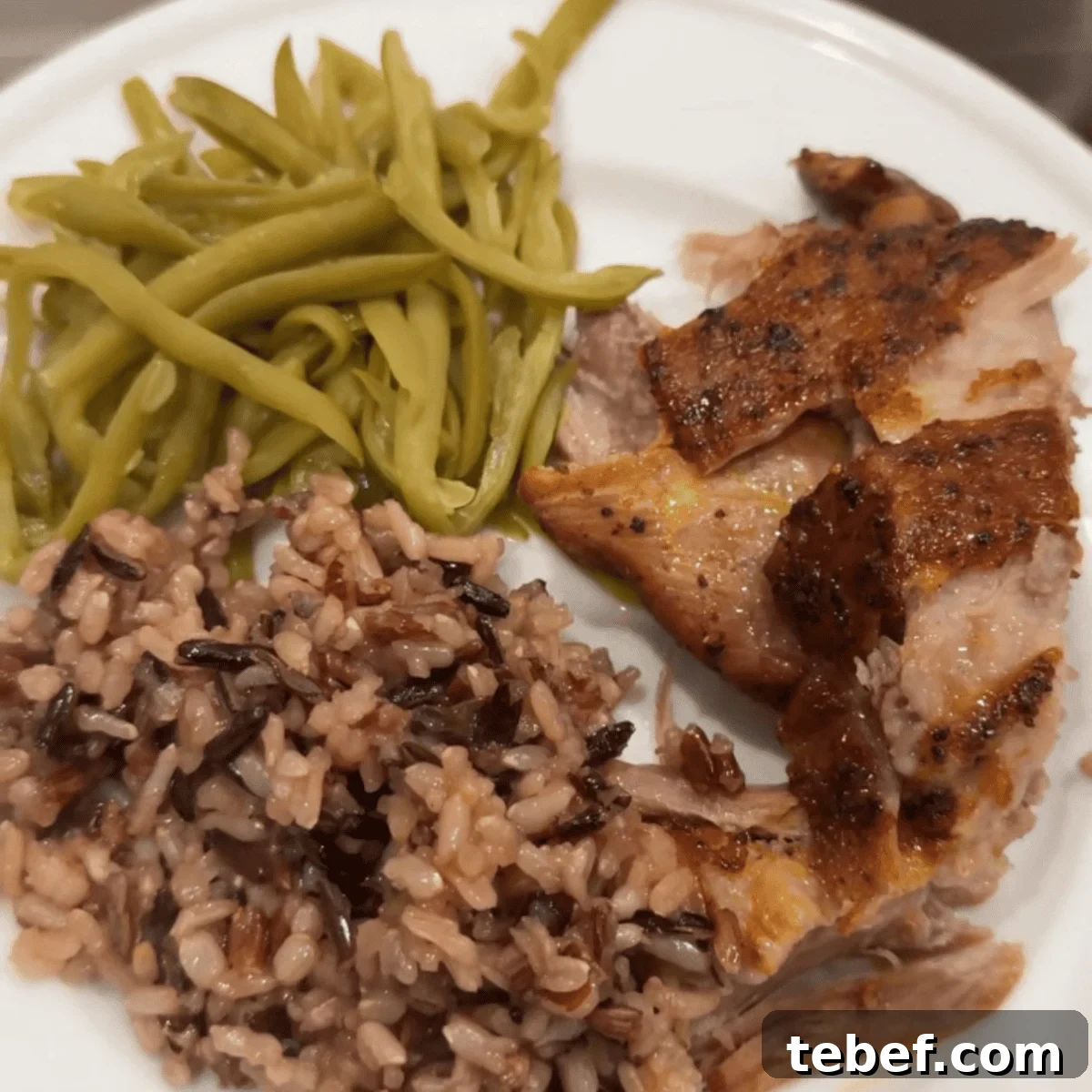
(for example: a palm-sized portion of meat or fish, two eggs, a cup of milk, or about ½ cup of beans, Greek yogurt, or cottage cheese) - Pairing protein with carbohydrates and fats so meals keep you satisfied
You don’t need to maximize protein in every bite, and you can meet your needs without bars, shakes, or supplements.
Consistency beats perfection. If you want steady energy, fewer between-meal cravings, and to feel satisfied, the simplest approach is to include protein at meals. It doesn’t need to be more complicated than that.
What You DON’T Need to Do
You’ve likely seen videos showing extreme strategies to hit daily protein goals. Many of those habits are unnecessary. Avoid:
- Forcing more protein at the end of the day when you’re not hungry just to reach a gram target.
- Packing an excessive amount of protein into a single meal — the body can’t effectively use extremely large amounts at once, so 50–60 g meals are usually overkill.
- Adding scoops of collagen to everything when you already have a protein-rich food like Greek yogurt or cottage cheese.
A Quick Note for Perimenopause & Midlife Moms
During perimenopause and midlife, protein deserves a bit more attention, but not in an extreme way. Hormonal shifts can make muscle loss easier, affect appetite and fullness cues, and influence energy, sleep, and blood sugar. Eating protein regularly across meals helps support muscle maintenance, steadier energy, and metabolic health. It doesn’t require dramatically higher intake—just more intentional consistency.
Practical tweaks look like these meal swaps and additions:
Breakfast
If breakfast is often just toast or coffee, try small changes such as:
- Toast —> add eggs or Greek yogurt
- Oatmeal —> make with milk or soy milk and add nuts or seeds
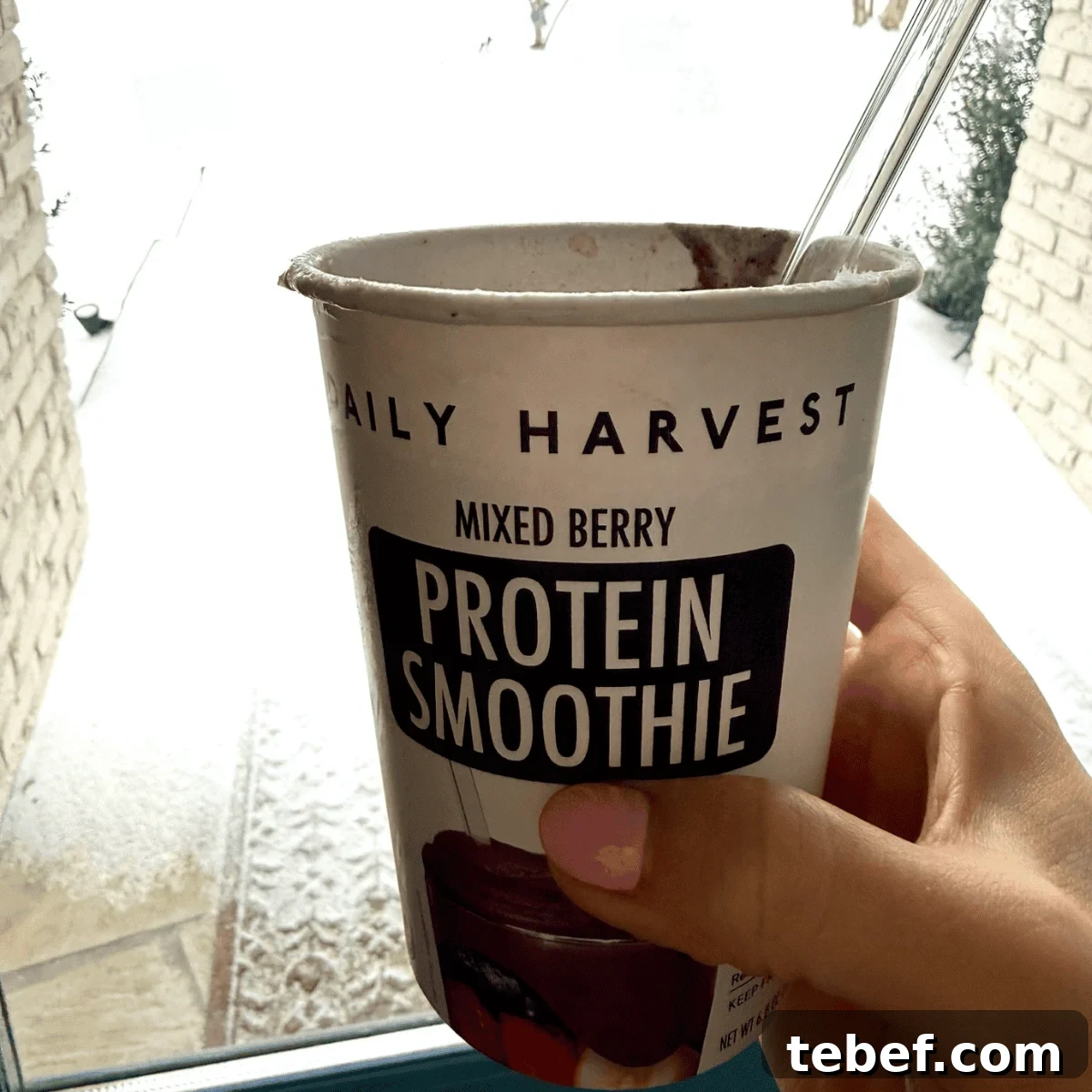
- Coffee with creamer —> add a scoop of collagen and pair with fruit
Lunch
For hurried or snack-style lunches, anchor the meal with protein:
- Snacky handfuls —> add hard-boiled eggs, leftover chicken, or cottage cheese
- Light salad —> top with beans, lentils, tuna, tofu, chicken, or salmon
Dinner
If you enjoy pasta or pizza, pair them with protein so you’re satisfied. Options include:
- Choose protein-enriched pasta varieties
- Cook regular pasta in broth or add meat sauce or meatballs
- Blend white beans or cottage cheese into pasta sauce
- Serve protein on the side with pizza, like meatballs or chicken wings
What About Kids?
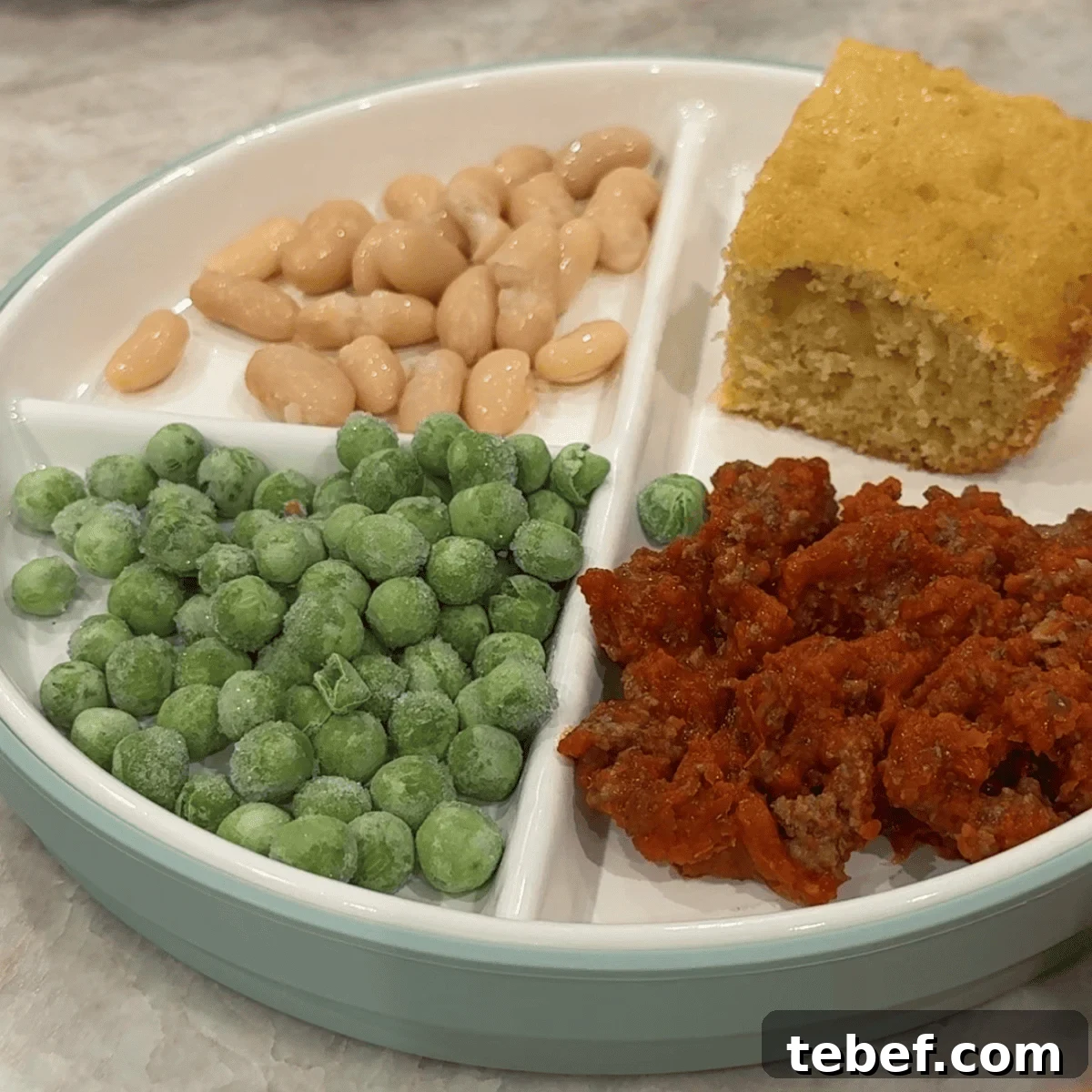
Children need less protein than adults, and even when they seem to eat mostly carbohydrates, they usually get enough. Protein comes from milk, yogurt, cheese, eggs, beans, meat, fish, nut and seed butters, and grains.
Remember: kids balance their intake over time, not necessarily at every meal. If a child eats a lot of chicken nuggets one day and avoids meat for a few days after, they can still meet their needs. While balanced meals are ideal, it’s not worth turning meals into battles over a single bite.
Can Kids Have Protein Bars or Protein Powder?
Yes, with caution:
- Avoid full adult serving sizes, especially for children under five
- Use them occasionally rather than daily
- Ensure they don’t replace regular, varied foods
Treat these products as convenience options, not necessities.
Signs You Might Be Overdoing Protein
Overemphasizing protein can happen. Watch for signs like:
- Meals feel overly heavy or consistently too filling
- Constipation, especially if fiber intake has dropped
- Persistent thirst or dry mouth
- Low energy from cutting carbohydrates too much
- Meals made mostly of protein with little else
- Shopping habits that focus almost entirely on “high protein” products
For children, too much focus on protein can push out the carbohydrates and fats they need for growth and energy.
The Quiet Part About Protein & Fat Loss for Women
Protein aids fullness and supports muscle maintenance, but it’s not a magic solution. Even with higher protein, you can still feel hungry, experience cravings, and want more food than expected. Sometimes the issue is simply not eating enough overall, not a lack of protein. Protein helps, but it won’t override basic biology.
A Gentle Social Media Reality Check
Social media often highlights curated “what I eat” content from very active, fitness-focused creators. That content rarely shows their full lifestyle, hunger cues, genetics, or long-term enjoyment. You don’t need protein coffee, protein water, or protein-everything to be healthy. Regular, satisfying meals you enjoy are usually more sustainable.
So What Does “Enough Protein” Actually Look Like?
If you’re not tracking grams, use a simple visual approach:
At meals:
- Adults: about a palm-sized portion of protein
- Younger kids: about half that
Simple examples:
- Breakfast: eggs, yogurt, or milk
- Lunch: sandwich fillings, leftovers, beans, or hummus
- Dinner: chicken, fish, tofu, lentils, beef, or dairy
Snacks can include protein but don’t have to be limited to high-protein options. Fruit, yogurt, or a balanced snack all count.
What About Protein Powders, Bars, and “High Protein” Products?
Think of these as convenience tools rather than daily essentials. Useful ways to use them include:
- Adding protein powder to a low-protein meal like oatmeal
- Carrying a protein bar for long days away from home
- Adding protein powder to smoothies to boost satiety
No need to build your entire diet around these products.
The Takeaway
You don’t need to overthink protein. You don’t need to chase a strict number or maximize protein at every meal. Aim for:
- Regular meals
- A source of protein most of the time
- Enough overall food to feel satisfied
This practical approach fits real life and is sustainable over the long term.