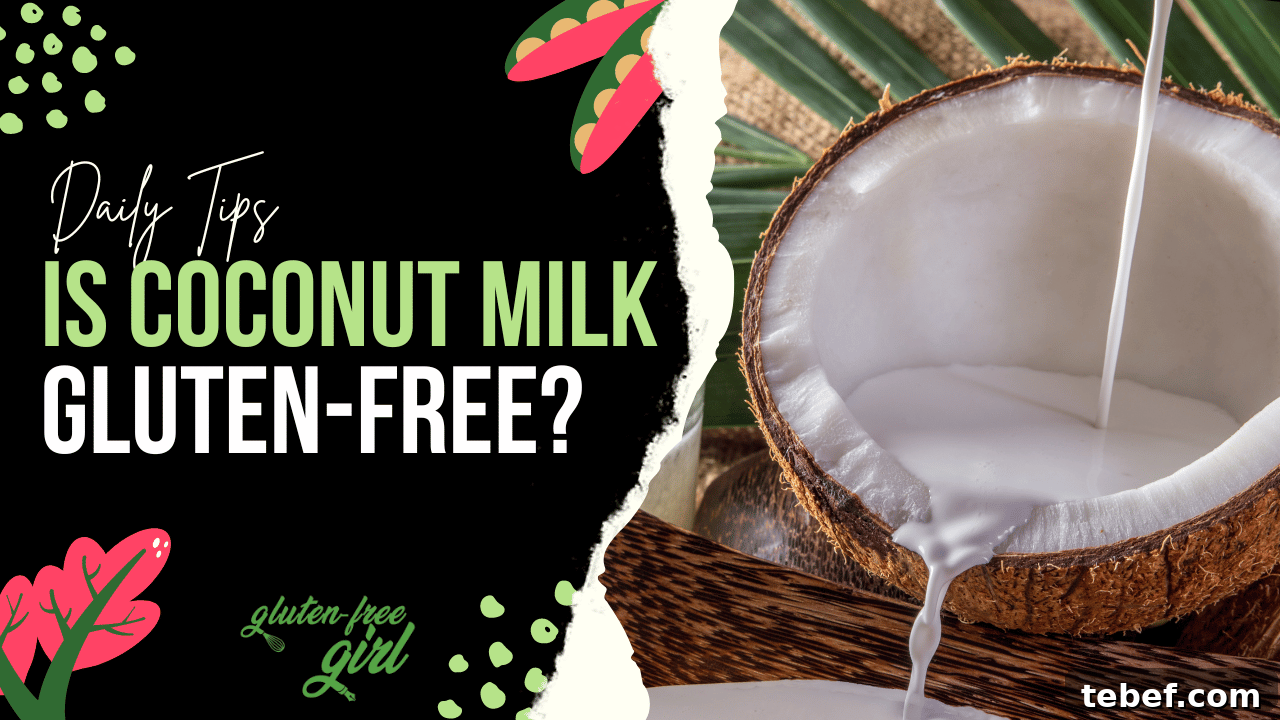
Yes, coconut milk is gluten-free. Derived from the white flesh of mature coconuts, coconut milk is naturally free of gluten. As a fruit-based product rather than a grain, it contains none of the gluten proteins found in wheat, barley, or rye. For people with celiac disease or non-celiac gluten sensitivity, coconut milk provides a reliable, dairy-free alternative to cow’s milk.
Coconut milk that is produced and handled without cross-contamination is a safe option for those following a gluten-free diet. Celiac disease is an immune-mediated condition triggered by dietary gluten, and avoiding gluten is essential to prevent symptoms and intestinal damage. When coconut milk is certified gluten-free or when pure, unsweetened varieties and trusted brands are chosen, it can be included freely in meals and recipes designed for people with gluten-related disorders.
The paleo diet, which emphasizes whole, unprocessed foods and excludes grains, often includes coconut milk. Its creamy texture and naturally sweet, tropical flavor make it a useful ingredient in both savory and sweet paleo dishes, replacing grain-based or dairy ingredients that might contain gluten.
Can a Person with Celiac Disease Eat a Meal that Contains Coconut Milk?
Yes. Coconut milk itself contains no gluten proteins and therefore will not trigger the autoimmune response associated with celiac disease. Because coconuts are fruits and not grains, the milk produced from them is inherently gluten-free. People with celiac disease can safely consume dishes made with plain coconut milk provided the product has not been contaminated by gluten-containing ingredients during production or preparation.
Many individuals with celiac disease regularly use coconut milk because it is both dairy-free and gluten-free. It works well in soups, curries, smoothies, baking, and desserts. As always, individuals should pay attention to labels and restaurant preparation practices to avoid hidden sources of gluten.
Gluten-Free Recipes You Can Make with Coconut Milk
Here are gluten-free recipe ideas that highlight coconut milk:
- Coconut Milk Chia Pudding: A simple breakfast or dessert combining chia seeds and coconut milk for a creamy texture and mild coconut flavor.
- Coconut Milk Curry: A silky base for vegetable, chicken, or seafood curries that balances spices and adds richness.
- Coconut Milk Curry Noodles: Coconut milk forms a fragrant sauce that pairs well with rice noodles and vegetables.
- Coconut Milk Ice Cream: A dairy-free frozen dessert using coconut milk as the creamy base, suitable for many flavor variations.
- Coconut Milk Oatmeal: Use gluten-free oats and coconut milk for a smooth, tropical-flavored porridge.
- Coconut Milk Pancakes: In gluten-free pancake batters, coconut milk contributes tenderness and a subtle coconut note.
- Coconut Milk Rice Pudding: Coconut milk makes rice pudding creamy and dairy-free while adding a delicate coconut aroma.
- Coconut Milk Smoothie: A creamy, lactose-free base for fruit and green smoothies.
- Thai Coconut Soup (Tom Kha Gai): Coconut milk is essential for the characteristic creamy, slightly sweet broth of this Thai classic.
- Coconut Milk Tofu Stir-Fry: A coconut-based sauce coats tofu and vegetables, creating a velvety, slightly sweet glaze.
Why Coconut Milk Is Gluten-Free
Coconut milk is gluten-free because it is made from coconut flesh mixed with water and then strained—an extraction that does not introduce gluten. Gluten is a protein found in certain cereal grains; coconuts are fruits and contain none of these proteins. That natural origin, combined with careful manufacturing, makes coconut milk a popular gluten-free and vegan substitute in cooking and baking.
Is a Coconut Milkshake Gluten-Free?
Yes, a coconut milkshake made from plain coconut milk and gluten-free mix-ins is gluten-free. The primary risk comes from added ingredients—cookies, certain flavorings, or malted powders—that may contain gluten. For a safe option, use certified gluten-free ingredients and avoid toppings or mix-ins that could introduce gluten contamination.
Is Cow’s Milk the Same as Coconut Milk for Gluten-Free Diets?
Both cow’s milk and coconut milk are naturally gluten-free, but they differ in source and composition. Cow’s milk is animal-derived and contains lactose, while coconut milk is plant-based and dairy-free. Either can fit into a gluten-free diet provided any flavored or processed varieties are free from gluten-containing additives. Always check labels for potential contaminants or hidden gluten in additives and flavorings.
How to Keep Coconut Milk Dishes Gluten-Free
To ensure dishes made with coconut milk remain gluten-free, follow these guidelines:
- Check labels: Buy coconut milk labeled or certified gluten-free when possible.
- Choose pure coconut milk: Prefer unsweetened, additive-free varieties to reduce the risk of gluten-containing thickeners or stabilizers.
- Verify all ingredients: Ensure spices, condiments, and other recipe components are gluten-free.
- Prevent cross-contamination: Use clean utensils, cookware, and surfaces, and avoid shared containers with gluten-containing foods.
- Consider homemade coconut milk: Making coconut milk at home from fresh coconut eliminates concerns about unexpected additives or processing contamination.
- Use gluten-free recipes: Follow recipes designed for gluten-free cooking to minimize risk.
Are Coconut Milk Cocktails Gluten-Free?
Coconut milk cocktails can be gluten-free if all ingredients used are free of gluten. Some spirits, flavorings, or mixers may contain gluten, so check labels or choose certified gluten-free beverages when in doubt. Proper ingredient selection ensures a safe drink for those avoiding gluten.
Why Coconut Milk Is Suitable for Latent Celiac Disease
For people with latent celiac disease—who may have sensitivity without obvious symptoms—coconut milk is a safe option because it lacks gluten. Its creamy texture and versatility make it a helpful substitute in recipes that would otherwise use grain-based or dairy ingredients. Choosing certified gluten-free coconut milk and avoiding cross-contamination reduces the risk of gluten exposure.
How Coconut Milk Could Become Contaminated with Gluten
Although coconut milk itself contains no gluten, contamination can occur through:
- Shared processing facilities handling gluten-containing products.
- Added thickeners, flavorings, or stabilizers that include gluten-based ingredients.
- Cross-contamination in home kitchens using shared utensils, cutting boards, or containers.
- Flavored or blended coconut milk products that include gluten-containing additives.
- Products from manufacturers with inconsistent testing or lax controls—choosing reputable brands helps reduce this risk.
How to Prevent Gluten Cross-Contamination with Coconut Milk
Prevent cross-contamination by maintaining strict kitchen hygiene and separation of gluten-free and gluten-containing foods. Use designated utensils and cookware for gluten-free preparation, clean surfaces thoroughly, and store coconut milk separately from wheat-based products. Selecting certified gluten-free brands further reduces the risk.
Are Coconut Milk Beverages Gluten-Free?
Yes, most plain coconut milk beverages are gluten-free because they are made from coconut and water. Confirm that no gluten-containing flavorings or additives were used during processing by reading labels or selecting certified products to be certain.
Are Coconut Milk Candies Gluten-Free?
Coconut milk candies can be gluten-free if they are made with gluten-free ingredients and processed in facilities that prevent cross-contamination. Always check ingredient lists and look for gluten-free certification when purchasing confections.
Are Canned Coconut Milk Products Gluten-Free?
Canned coconut milk is typically gluten-free, but this depends on the brand and any added ingredients. Read labels for potential gluten-containing additives and, if necessary, contact the manufacturer for clarification. Choosing reputable brands that label products gluten-free is the best approach for those with celiac disease or severe sensitivity.