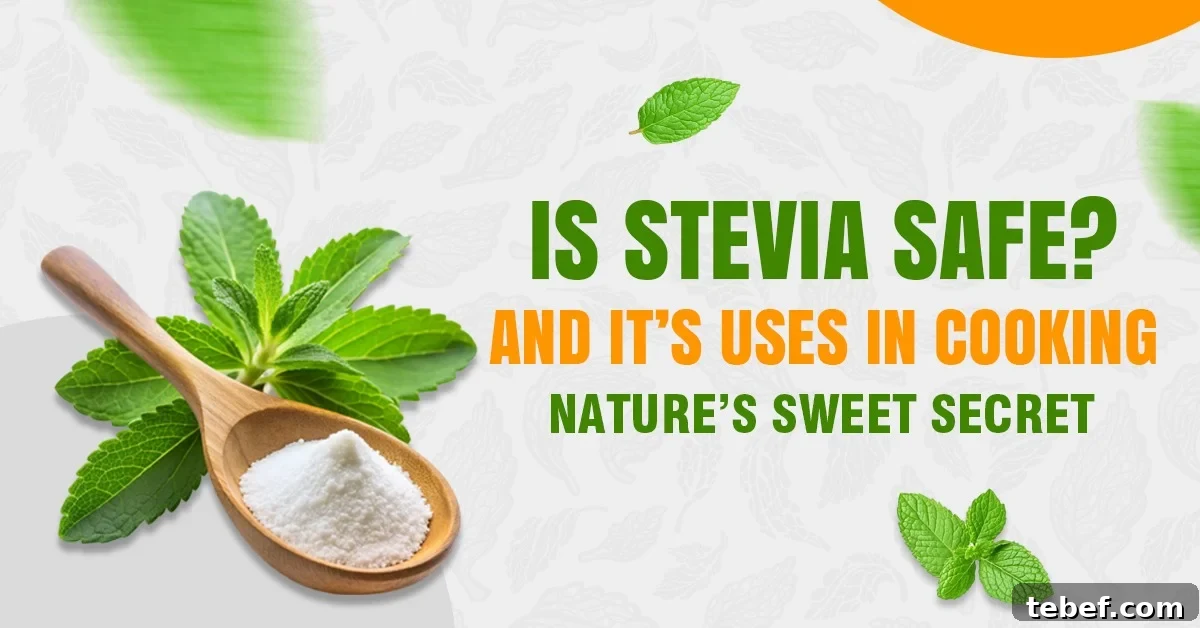
Stevia plantation | Stevia Benefits | Sugar good for you | Why it is safe?
Stevia, a natural sweetener derived from the leaves of the Stevia rebaudiana plant, has become a popular sugar alternative. With virtually no calories, a glycemic index near zero, and sweetness many times greater than table sugar, it appeals to health-conscious consumers, people with diabetes, and those following low-carb diets. This article explains what stevia is, how it’s processed, its benefits, safety profile, taste characteristics, and practical uses in cooking and baking.
What Is Stevia?
Stevia is a perennial shrub native to South America, especially Paraguay and Brazil, where indigenous communities have long used its sweet leaves to flavor drinks and medicines. The plant’s sweetness comes from steviol glycosides—mainly stevioside and rebaudioside A—compounds extracted from the leaves. Stevia is now grown worldwide and sold in multiple formats, including liquid drops, powders, granules, and fresh or dried leaves.
How Is Stevia Processed?
Processing ranges from minimal to extensive, which influences flavor and perceived naturalness:
– Whole-leaf stevia: Dried or ground leaves used directly. This is the least processed form but can be less sweet and sometimes has a grassy note.
– Stevia extracts: Steviol glycosides are extracted with water or alcohol and then purified. Rebaudioside A is often isolated because it delivers a cleaner, sweeter profile with less bitterness.
– Blended products: Commercial sweeteners frequently combine stevia extracts with bulking agents like erythritol, dextrose, or maltodextrin to mimic sugar’s texture and volume.
While whole-leaf stevia is closest to the raw plant, purified extracts are more common in packaged foods for their neutral flavor and consistent sweetness. The active sweetening compounds are plant-derived in all these forms, though some consumers prefer less-processed options.
Health Benefits of Stevia
Stevia’s popularity is largely based on its potential health benefits:
- Zero Calories: Stevia provides sweetness with negligible calories, which can help with weight management.
- Blood Sugar Control: With little to no impact on blood glucose, it is suitable for people with diabetes and those on ketogenic or low-carb diets.
- Dental Health: Unlike sugar, stevia does not feed oral bacteria that cause cavities, which may reduce the risk of tooth decay.
- Antioxidant Properties: Some research indicates stevia contains compounds with antioxidant and anti-inflammatory effects, though further study is needed to confirm clinical benefits.
Is Stevia Safe?
Stevia has been extensively studied and is generally considered safe when consumed as purified steviol glycosides:
– Regulatory Approval: Agencies such as the U.S. FDA, the European Food Safety Authority, and the World Health Organization have approved purified steviol glycosides and established an acceptable daily intake of 4 mg per kg of body weight. For an average adult, this roughly equates to several packets of stevia sweetener per day.
– Whole-leaf vs. Purified: Crude stevia extracts and whole leaves have been less widely studied and are not uniformly approved for commercial use in some regions due to concerns about potential impurities. Choosing products labeled as purified steviol glycosides offers a clearer safety profile.
– Side Effects: Most people tolerate stevia well. Some report mild digestive discomfort—often related to added fillers like sugar alcohols—while allergic reactions are uncommon, though possible for those sensitive to plants in the Asteraceae family (such as ragweed).
Early animal studies using crude extracts raised questions about fertility and kidney effects, but human research using purified steviol glycosides has not demonstrated these risks at moderate intakes.
How Does Stevia Taste?
Taste varies by product quality and concentration. High-purity rebaudioside A extracts usually taste clean and closely mimic sugar’s sweetness. Lower-purity extracts or whole-leaf preparations can have a bitter or licorice-like aftertaste. To improve flavor:
– Choose products that list high-purity rebaudioside A.
– Use small amounts initially; stevia is intensely sweet and can overpower recipes.
– Combine stevia with acidic ingredients (like lemon) or blend it with other sweeteners to balance flavor.
Using Stevia in Cooking and Baking
Stevia is versatile but differs from sugar in important ways:
– Baking: Stevia lacks sugar’s bulk and caramelizing properties, so recipes often need adjustments. Baking blends or substituting part of the sugar with ingredients like applesauce can improve texture.
– Cooking: Stevia works well in beverages, sauces, and many desserts. Liquid forms are convenient for drinks, while powdered options suit dry mixes and baking blends.
– Conversion: Because it is far sweeter than sugar, follow conversion guidelines provided by the manufacturer (for example, a small amount of stevia powder can replace a cup of sugar, depending on concentration).
Stevia vs. Other Sweeteners
Comparing stevia with common alternatives highlights its strengths:
– Sugar: Unlike sugar, stevia contributes virtually no calories and does not raise blood sugar, but it cannot replicate sugar’s functional roles in recipes without adjustments.
– Artificial Sweeteners (e.g., aspartame, sucralose): Stevia is plant-derived and perceived by many as a more natural option, with fewer controversies around long-term safety when using purified extracts.
– Honey and Maple Syrup: Those are natural but calorie-dense and affect blood glucose, unlike stevia.
– Monk Fruit: Another plant-based, zero-calorie sweetener with a clean sweetness profile; often more expensive and less widely available than stevia.
Environmental and Ethical Considerations
Stevia cultivation generally uses less land and water than sugarcane or sugar beet production, which can be an environmental advantage. However, large-scale production may involve chemical processing and monoculture practices that raise sustainability concerns. Selecting brands with transparent sourcing, fair labor practices, and organic certification can help support more ethical and eco-friendly production.
Common Myths and Doubts Debunked
- Stevia is artificial: False. Stevia is plant-derived; the degree of processing varies, but the sweet compounds originate from the stevia plant.
- Stevia causes cancer: There is no credible evidence showing that purified steviol glycosides cause cancer in humans.
- Stevia disrupts gut health: Limited research suggests minor effects on the microbiome, but current evidence does not establish harmful outcomes.
- Stevia is too good to be true: It has limitations—especially taste differences and baking challenges—but its benefits for caloric reduction and blood sugar control are well supported.
Who Should Use Stevia?
Stevia is well suited for:
– People managing diabetes or monitoring blood sugar.
– Those pursuing weight loss or low-calorie diets.
– Anyone reducing sugar intake for health or personal preference.
As with any dietary change, pregnant or breastfeeding women, individuals with specific allergies, or those taking certain medications should consult a healthcare professional before making significant changes.
Wrapping Up
Stevia offers a natural, zero-calorie option for sweetening foods and beverages, with a generally strong safety record for purified extracts. Its advantages include minimal impact on blood sugar, support for weight management, and potential dental benefits. Taste preferences and the level of processing are the main considerations when selecting a stevia product. Using high-quality, purified stevia and experimenting with recipes can help you reap the benefits while minimizing drawbacks. Whether you’re sweetening coffee or adapting dessert recipes, stevia can be a useful tool in reducing sugar intake and exploring healthier alternatives.