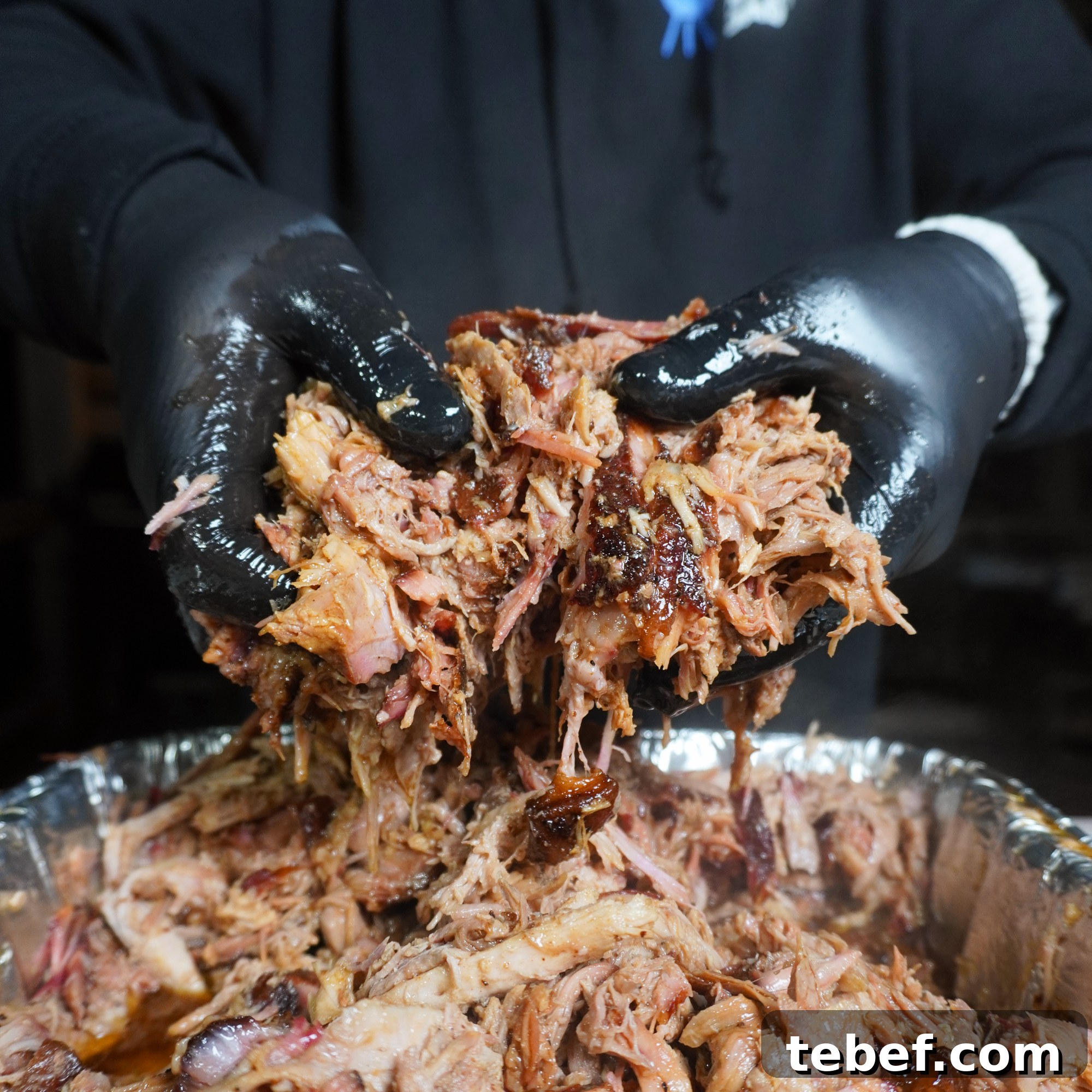
When you get a new smoker, I always suggest starting with a Classic Pulled Pork. This BBQ staple is perfect for testing your grill, learning fire management and, most importantly, achieving tender, flavorful meat.
After smoking hundreds of pork shoulders, I refined a reliable 2-step method that delivers tender, juicy and flavorful pulled pork every time.
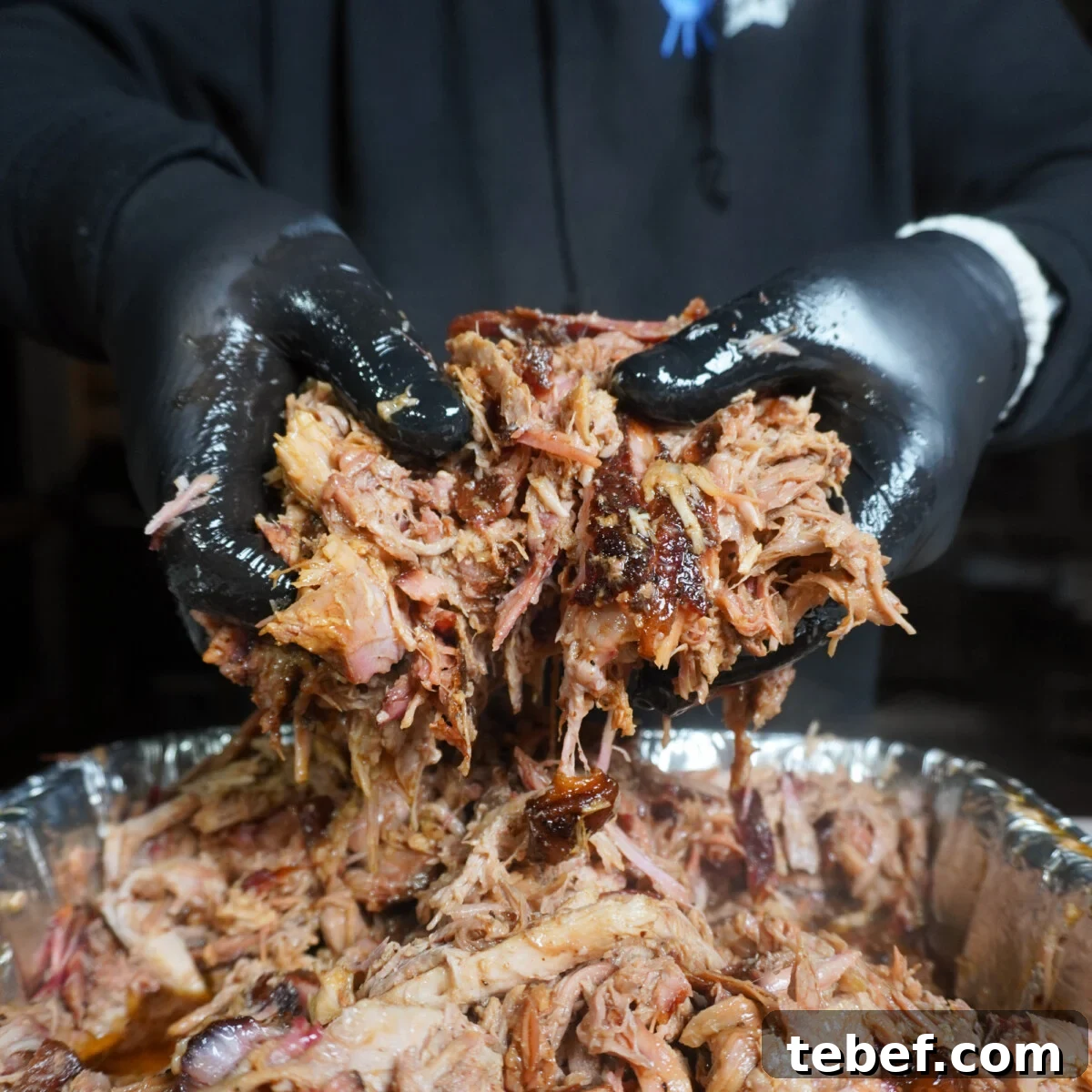
Table of Contents
- What is Classic Pulled Pork?
- Ingredient List for Classic Pulled Pork
- How to properly prepare a pork shoulder
- Recipe Tip
- 2-Step Method for Making the BEST Classic Pulled Pork
- Recipe Tip
- Remember to rest classic pulled pork when done
- Frequently Asked Questions
- Try these delicious smoked pork recipes
- Classic Pulled Pork Recipe
What is Classic Pulled Pork?
Classic pulled pork is pork smoked low and slow until it’s tender enough to shred easily. Typically finished with BBQ sauce or served with its own rendered juices, pulled pork is a cornerstone of American barbecue. When done right, the meat is melt-in-your-mouth tender and full of smoky flavor.
Pulled pork is usually made from the pork shoulder, sometimes labeled as pork butt. The terms refer to the same cut; “butt” comes from historical storage practices. A bone-in pork shoulder is ideal because its shape cooks evenly—avoid boneless shoulders when possible.
Shoulders range from about 7–10 lbs and are economical because the fat keeps the meat moist and flavorful. Plan ahead: a full cook can take 8–10 hours, so start early.
Ingredient List for Classic Pulled Pork
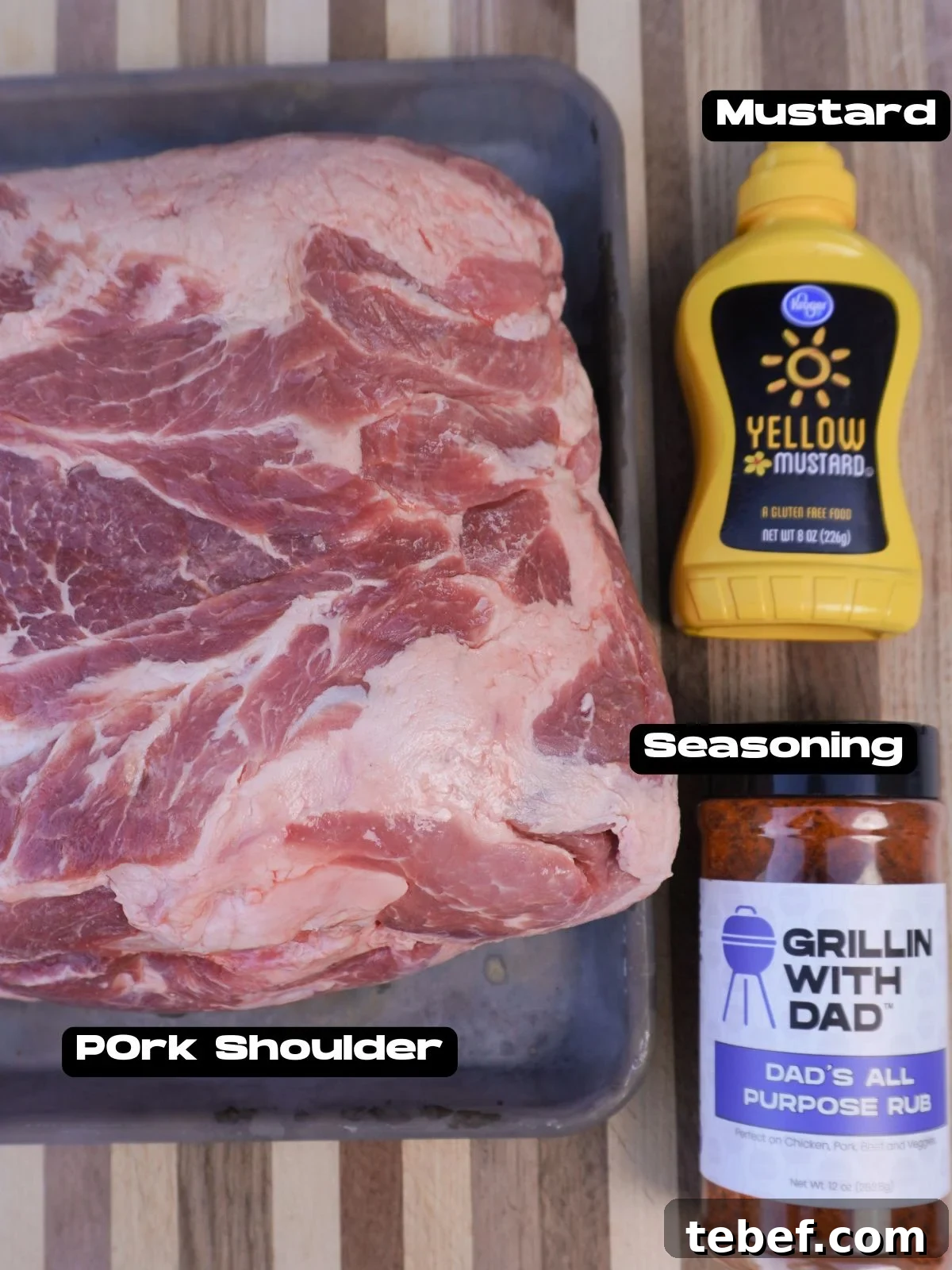
- Pork Shoulder: Bone-in, about 8 lbs is a good size for feeding a crowd (try to stay under 10 lbs).
- Seasoning: An all-purpose rub and a sweet BBQ rub work well with pork—use generously.
- Yellow mustard: Used as a binder to help the rub stick (you won’t taste it after cooking).
- Unsalted butter: Adds richness during the wrapping phase.
- Brown sugar and honey: Add sweetness when the shoulder is wrapped.
- Apple cider vinegar: For spritzing the meat during the smoke to maintain moisture.
How to properly prepare a pork shoulder
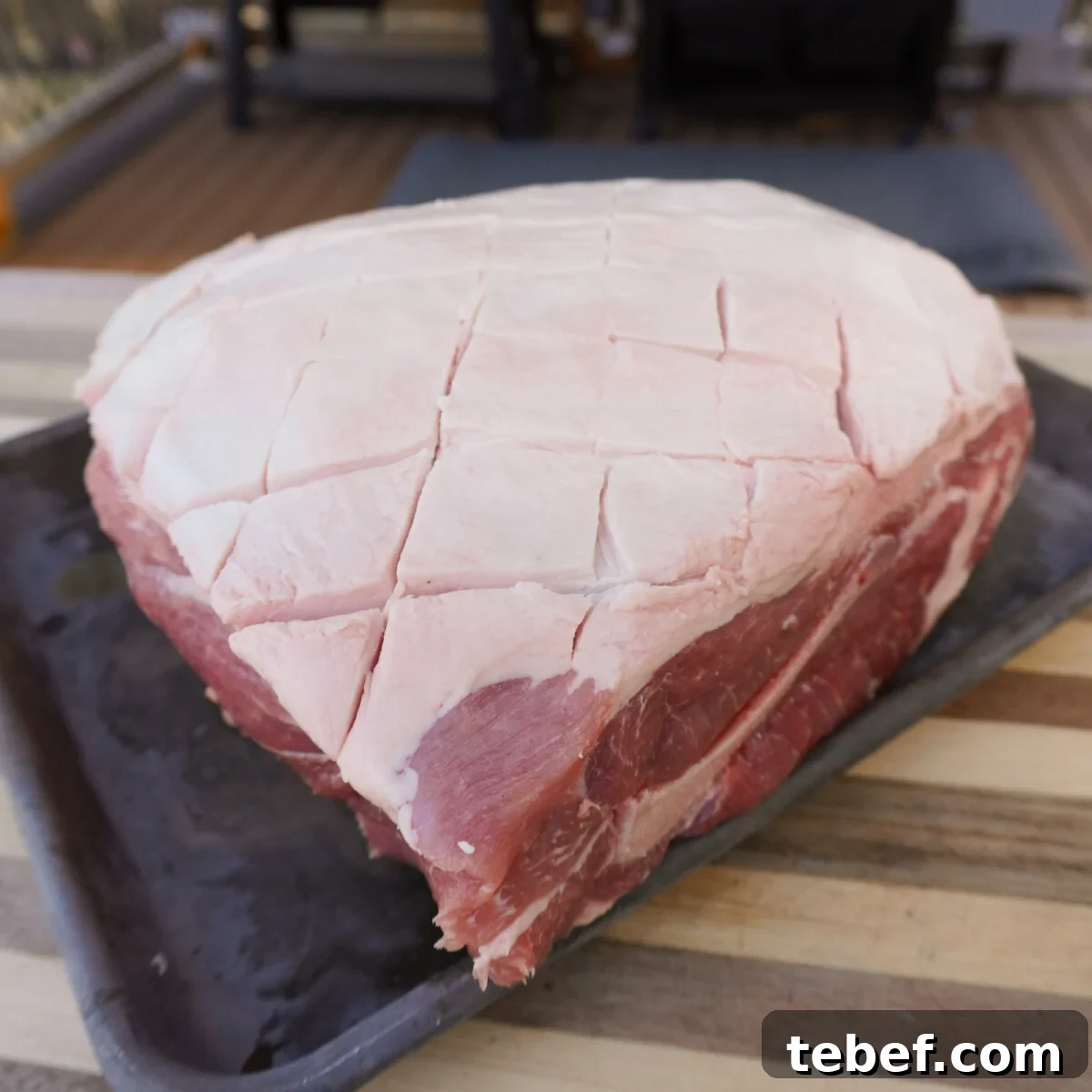
Remove the pork shoulder from its packaging and pat it dry with paper towels—do not wash. Check the fat cap and trim it to about 1/4″ thickness, removing excess fat in small increments so you don’t take off too much.
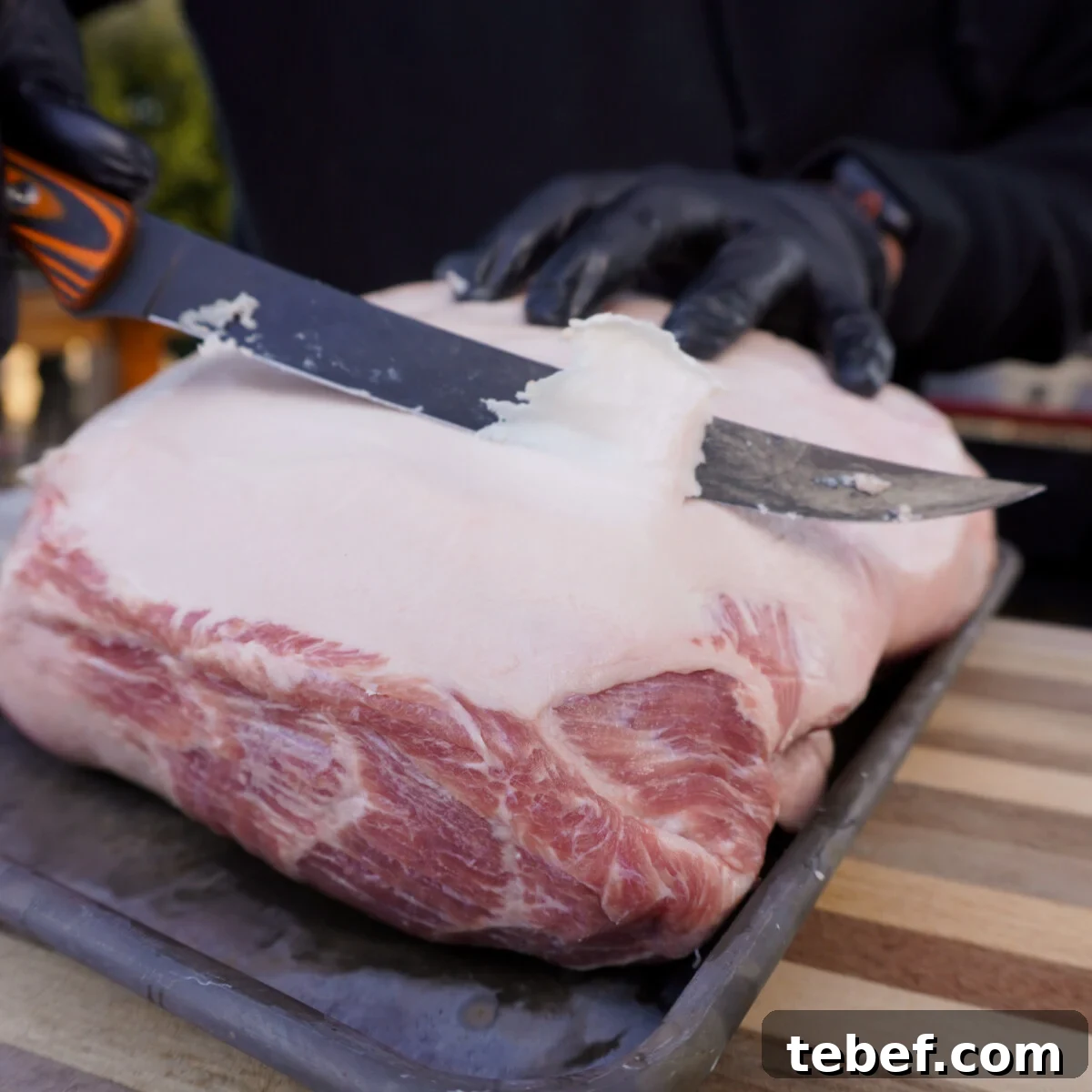
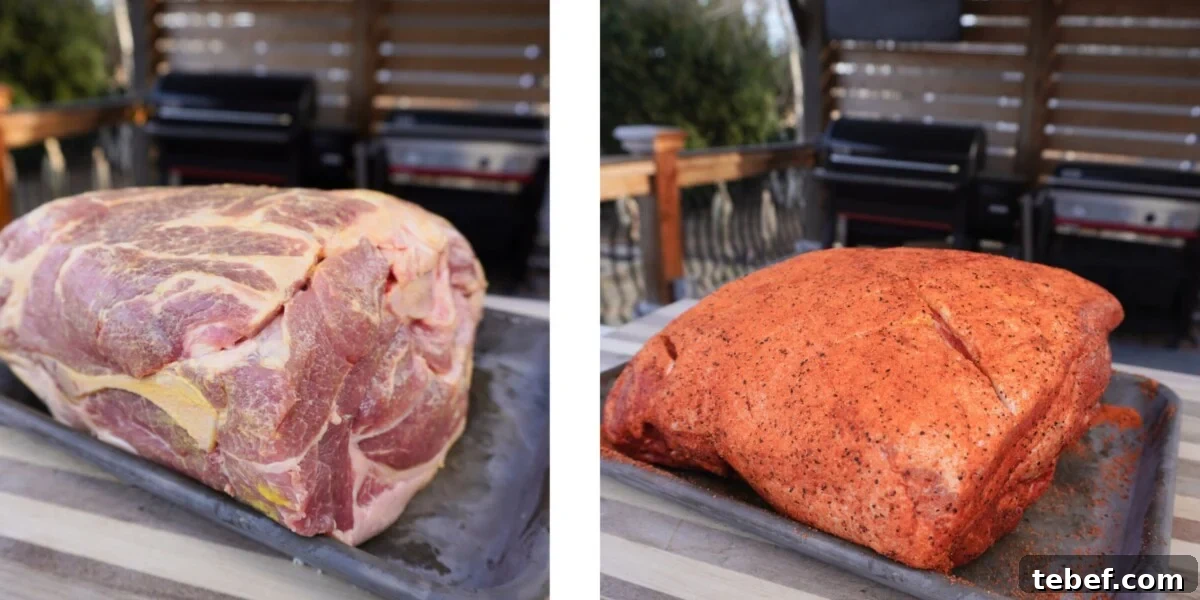
Score the fat cap in a shallow crosshatch pattern so smoke and seasoning penetrate better. Coat the entire shoulder with yellow mustard as a binder, then liberally season all sides with your rub. Pat the seasoning into the meat rather than rubbing to prevent it from falling off.
Let the seasoned shoulder rest at room temperature for about 30 minutes—this helps the spices adhere and the surface to begin releasing moisture so flavors set in.
Recipe Tip
If you dislike mustard, substitute hot sauce or Worcestershire sauce as the binder.
2-Step Method for Making the BEST Classic Pulled Pork
Making exceptional pulled pork takes time. The two-step cook below builds smoke flavor and then finishes the shoulder until it’s fork-tender and shreddable. Patience is essential: the fat and connective tissue need time to render.
Step 1 – Smoke low and slow
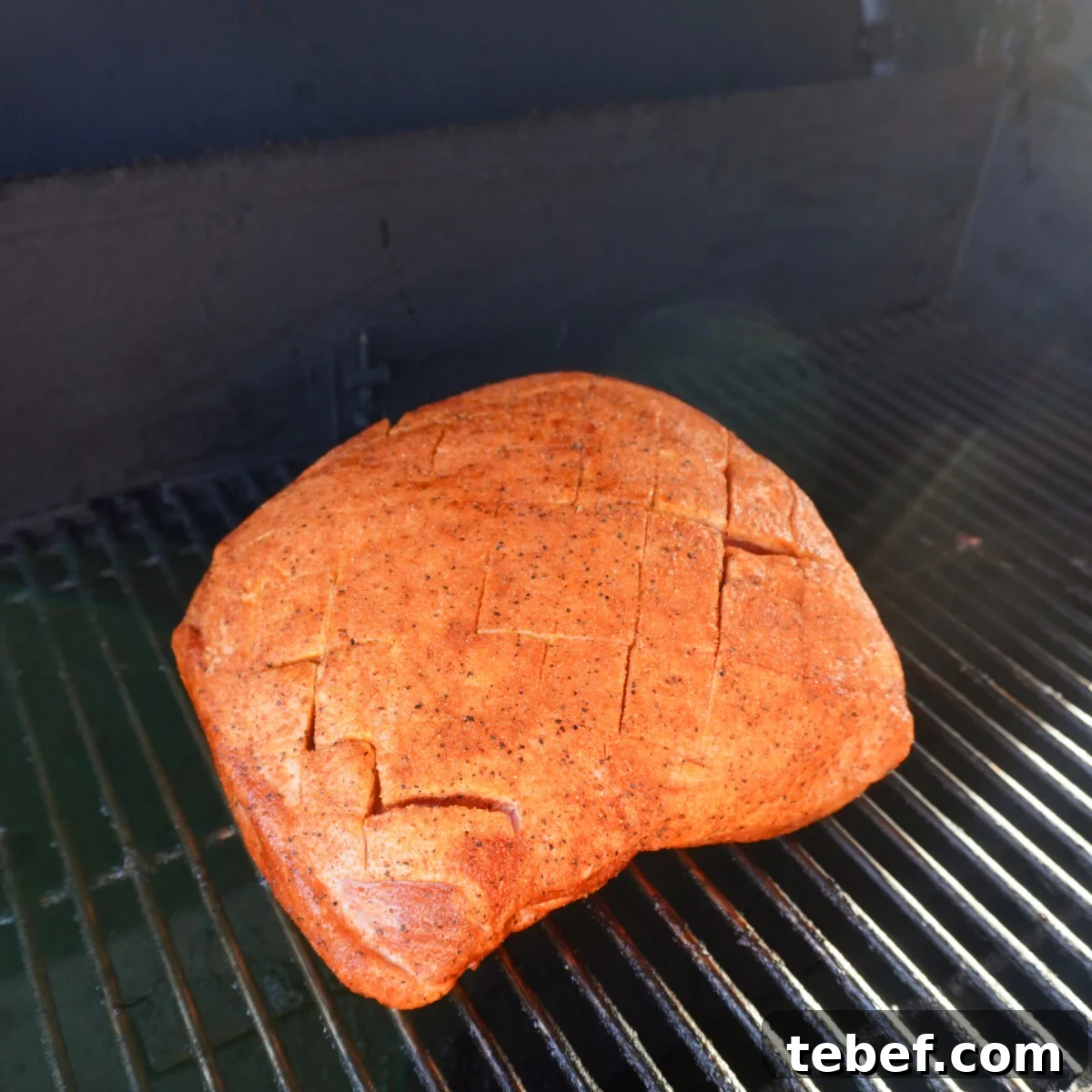
Preheat your smoker or grill for indirect heat at about 250°F. Place the seasoned shoulder directly on the grates and let it smoke undisturbed for the first four hours—don’t peek. After that, check the bark. If it looks dry, spritz the shoulder with apple cider vinegar every hour to maintain moisture and prevent burning. Expect roughly 1.5 hours per pound; most cooks finish the first phase around 170–175°F internal temperature.
Step 2 – Wrapping classic pulled pork
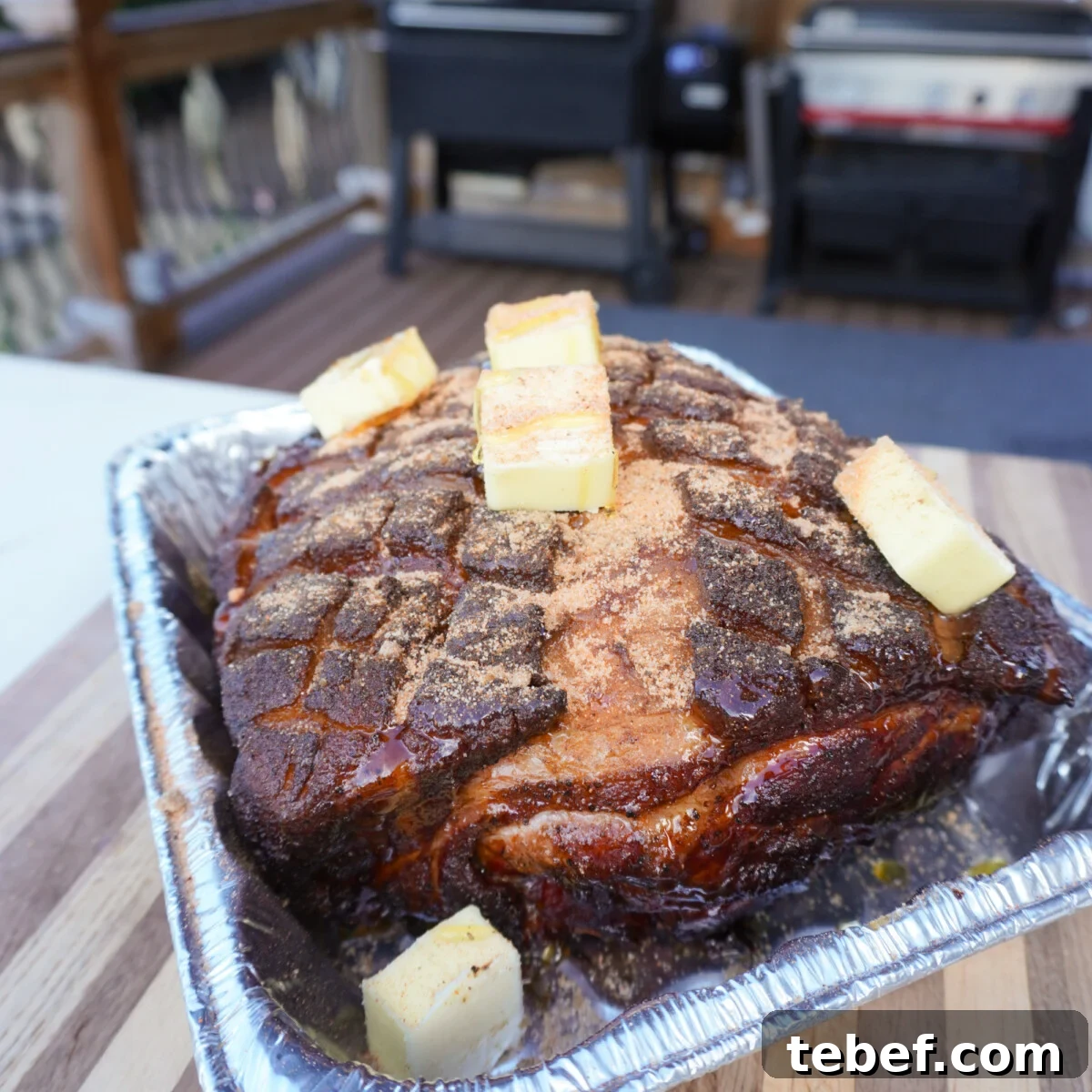
When the shoulder reaches about 170°F, move it to an aluminum pan or a large sheet of heavy-duty foil. Add brown sugar, honey, cubed butter and a touch of sweet BBQ rub. Seal the pan or wrap tightly in foil to trap steam and let the butter and sugar infuse the meat.
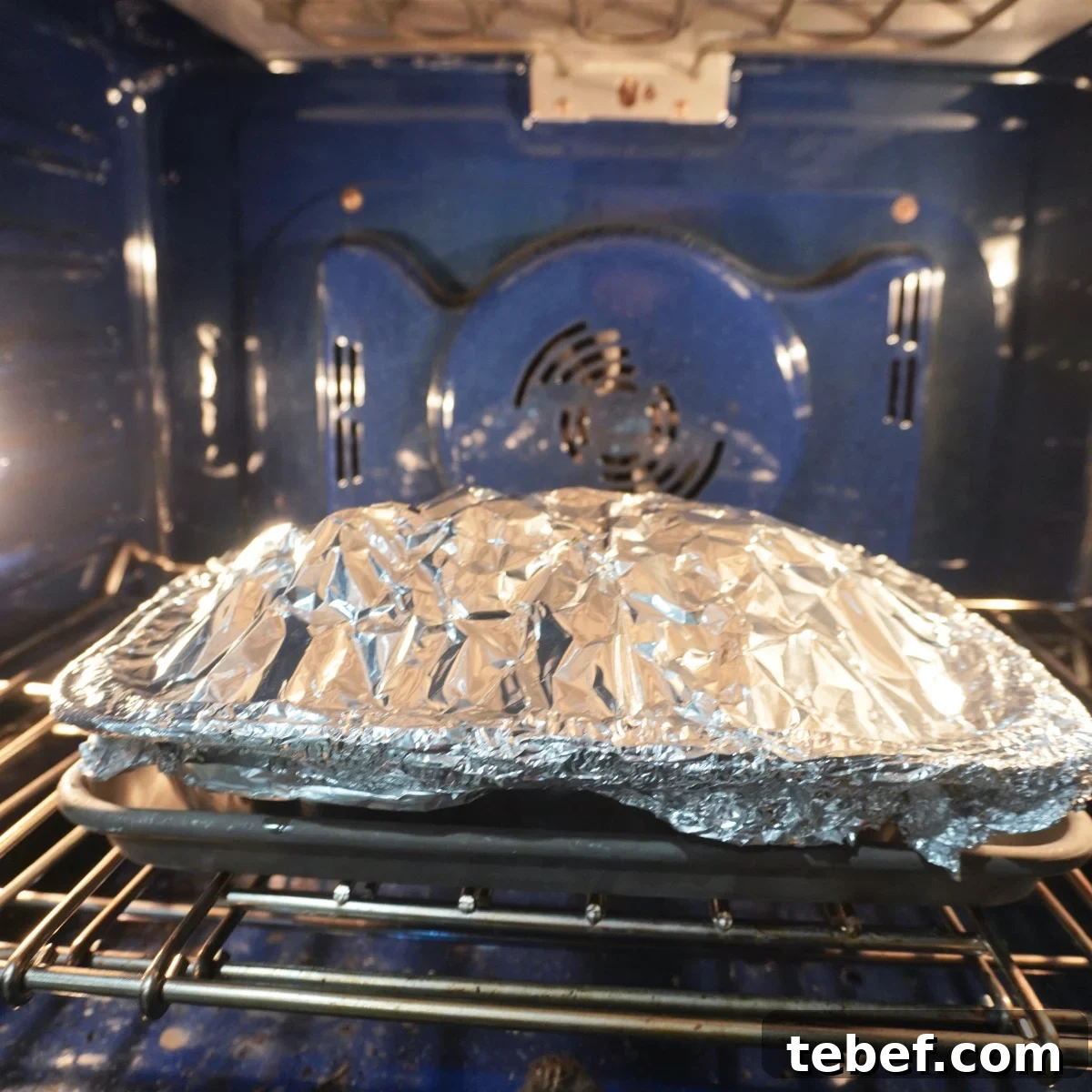
Raise your smoker to about 275°F and return the wrapped shoulder to the heat for 2–3 more hours, or until the internal temperature reaches roughly 200–205°F and the meat is probe-tender. At this point, little additional smoke will penetrate—finishing in the oven is acceptable if needed.
Recipe Tip
Finish the wrapped shoulder in a preheated oven if your smoker’s temperature is unstable; the wrap preserves moisture and tenderness.
Test for tenderness by inserting a probe or fork. If it slides in like a hot knife through butter, the shoulder is ready. If there’s resistance, reseal and continue cooking, checking every 30 minutes until fork-tender.
Remember to rest classic pulled pork when done
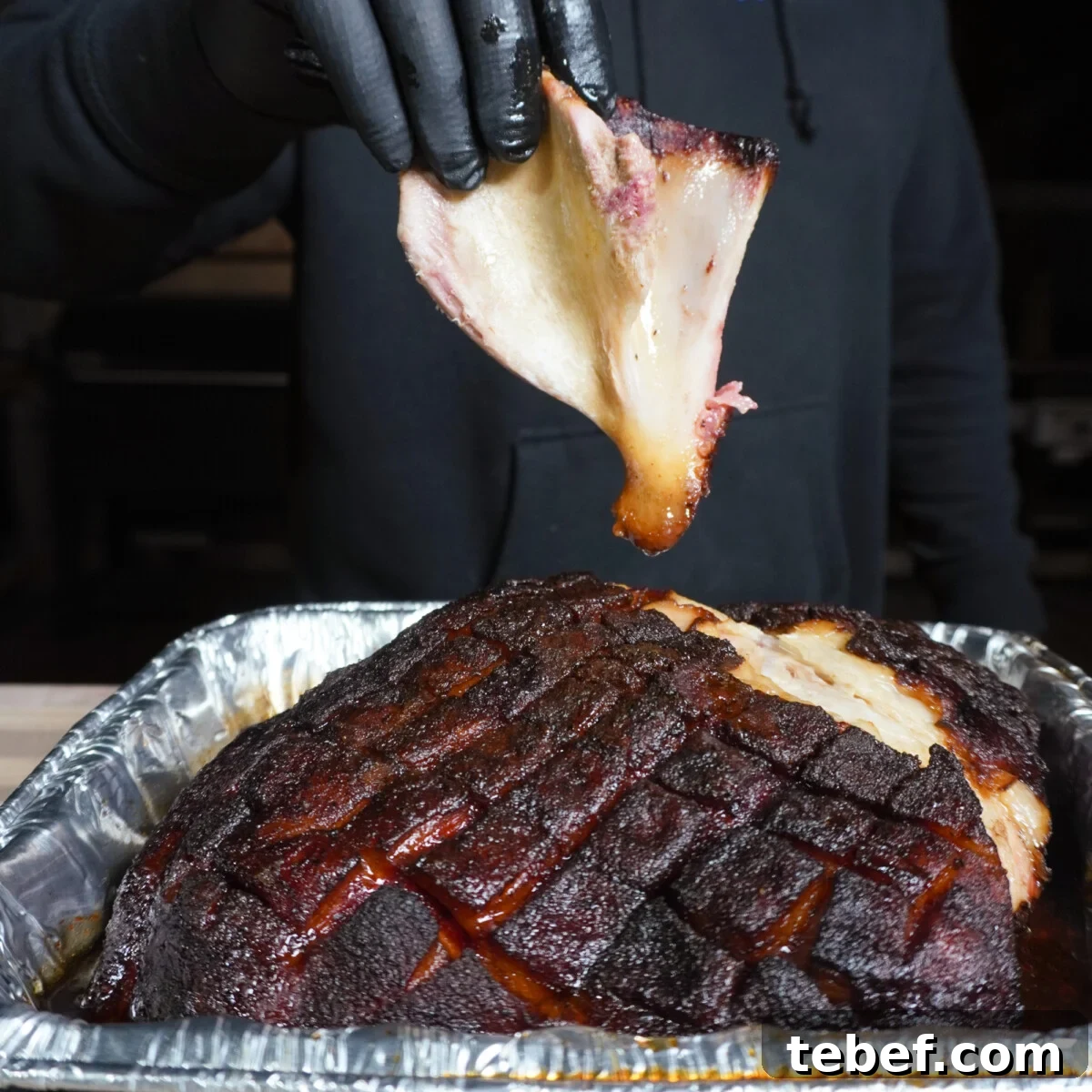
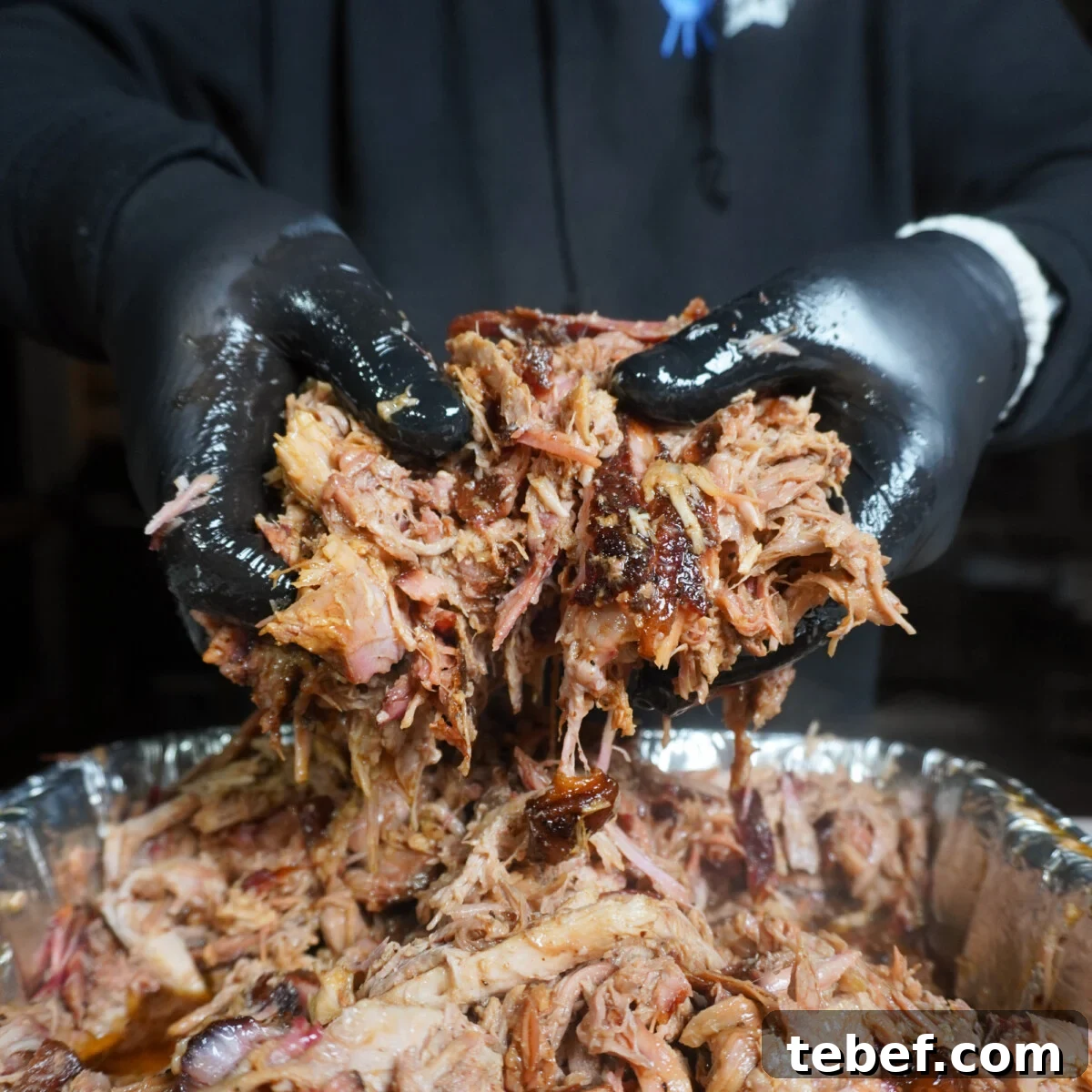
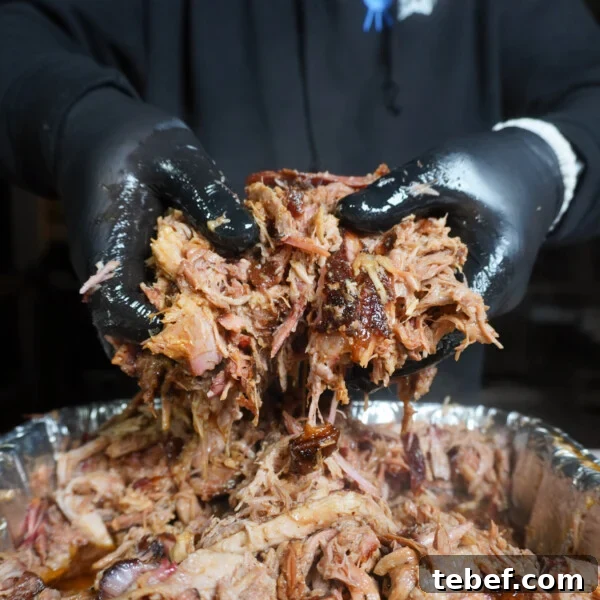
Once the pork is fork-tender, keep it wrapped and let it rest in an insulated cooler or a turned-off oven for about an hour. Resting redistributes juices through the meat. When ready, remove the bone—it should pull out easily—and shred the pork in its pan, mixing the meat with the rendered juices for maximum flavor.
Serve piled on brioche buns with your favorite BBQ sauce or enjoy it plain to savor the smoky, sweet flavors.
Frequently Asked Questions
No, but bone-in cooks more evenly and can add flavor. Boneless may cook faster but can have uneven doneness because of its shape.
Foil retains more moisture and helps the meat get tender; I prefer foil for the finishing stage. Butcher paper lets more smoke through and yields a firmer bark if you prefer that texture.
Try these delicious smoked pork recipes:
Pork
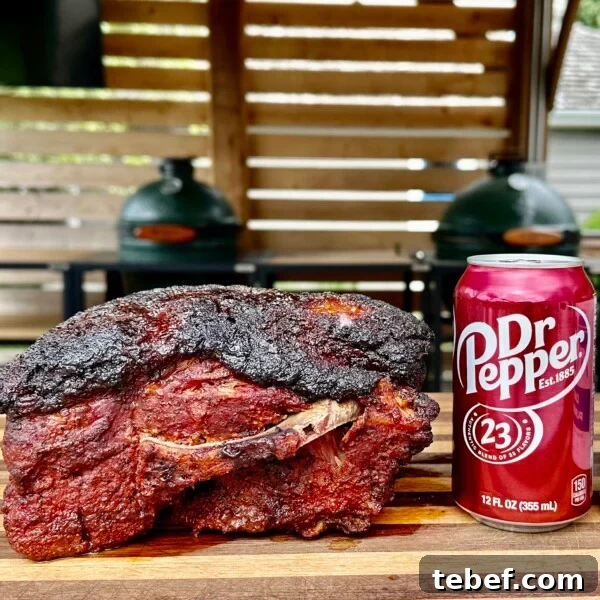
Dr. Pepper Pulled Pork
Pork
Classic Pulled Pork

Pork
Cuban Sandwich

Pork
Pulled Pork Nachos
If you tried this Classic Pulled Pork or any other recipe on my blog, please leave a star rating and let me know how it went in the comments. I love hearing from you!
Classic Pulled Pork
Ingredients
- 8 Lbs Bone-in pork shoulder
- 2 tbsp Yellow mustard
- 6 tbsp All-purpose rub
- 1/2 cup Apple cider vinegar
- 1/2 stick Unsalted butter
- 1/2 cup Brown sugar
- 1/4 cup Honey
- 2 tbsp Sweet BBQ rub
Instructions
- Remove the pork shoulder from its packaging and pat it dry.
- Trim the fat cap to about 1/4″ and score it in a shallow crosshatch.
- Coat the shoulder with mustard and generously season with all-purpose rub.
- Set up the grill for indirect heat at 250°F and place the pork on the grates.
- After the first 4 hours, spritz the pork hourly with apple cider vinegar if the bark looks dry.
- Continue cooking until the internal temperature reaches 170–175°F.
- Transfer the shoulder to a foil-lined pan, add brown sugar, honey, cubed butter and sweet BBQ rub.
- Wrap tightly in foil, increase the grill temperature to 275°F and continue cooking.
- Cook until the internal temperature reaches about 200–205°F and the meat is probe-tender.
- Remove the wrapped pork and let it rest for 1 hour in an oven or insulated cooler.
- Remove the bone and shred the meat, mixing it with the rendered juices.
Notes
- Bone-in shoulders cook more evenly and can add flavor, but boneless is fine if that’s what’s available.
- Substitute hot sauce or Worcestershire sauce if you prefer not to use mustard as a binder.
- Do not peek during the first four hours; let the smoker establish a good bark before checking.
- Finishing the wrapped shoulder in the oven is acceptable if you need a more controlled temperature.
- Tenderness is key: the final internal temp usually ranges from 200–205°F. If the probe doesn’t slide in easily, keep cooking—removing it too early results in tough pork.
Nutrition
Check out the Recipes Page for other tasty ideas!