Our ultimate Thanksgiving hosting guide is here. From planning to plating, this comprehensive guide walks you through everything you need to know. You’ll find daily tasks, recipe ideas, portion recommendations, and practical tips to help you host a smooth, memorable Thanksgiving.
Thanksgiving is a time to reflect on what we’re grateful for and to celebrate with loved ones. While hosting can feel overwhelming, thoughtful planning and a few smart strategies make the day enjoyable for both hosts and guests. Whether you’re organizing an intimate family meal or a large Friendsgiving, this guide prepares you from the weeks leading up to the holiday through clean up and leftovers.
Planning and Preparation
Good planning is the foundation of a stress-free Thanksgiving. In the weeks before the holiday, set your guest list, finalize the menu, create a grocery list, and build a detailed timeline that includes prep, cooking, and serving.
Guest List
- Create a guest list – Confirm how many people you’ll host and whether they’ll bring a dish. Knowing the headcount helps you determine quantities for each recipe.
- Send invitations – Use festive evites, mailed invites, or phone calls to let people know details and request RSVPs.
- Note dietary restrictions – Ask guests about allergies and dietary needs up front so you can plan inclusive options.
Menu Planning
- Choose crowd-pleasers – Start with classic favorites like turkey, stuffing, mashed potatoes, gravy, and cranberry sauce, then add a couple of unexpected dishes to keep the menu interesting.
- Create a balanced menu – Aim for a mix of proteins (turkey, roast chicken, or tri-tip), starchy sides (stuffing, mashed potatoes, rolls), fresh vegetables and salads, and classic desserts such as pumpkin or apple pie.
- Accommodate dietary needs – Include a few dishes that meet dietary restrictions so everyone has options without feeling singled out. For example, offer a dairy-free mashed potato or a gluten-free side.
Thanksgiving Portions
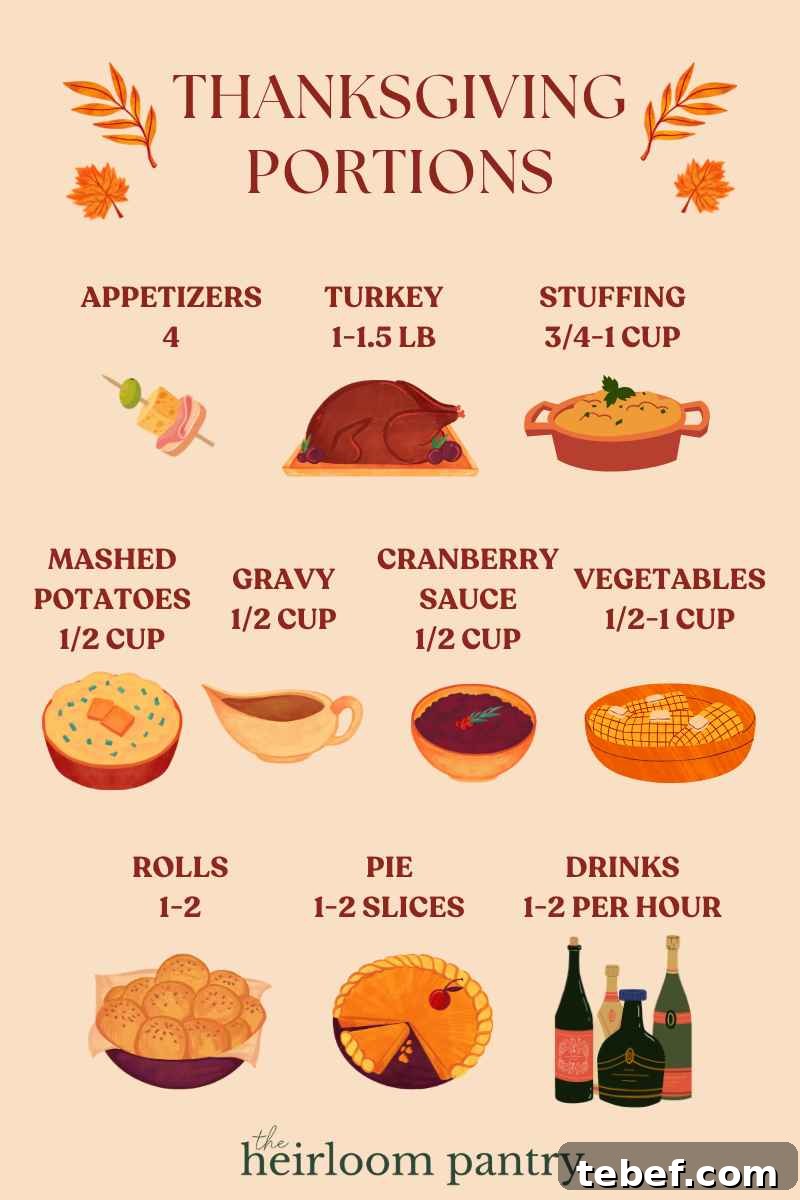
Use these portion guidelines per person when creating your shopping list:
- Appetizers – 4 pieces
- Turkey – 1–1.5 lb
- Stuffing – ¾–1 cup
- Mashed potatoes – ½ cup
- Gravy – ½ cup
- Cranberry sauce – ½ cup
- Vegetables – ½–1 cup
- Rolls and sliced bread – 1–2 pieces
- Pie – 1–2 slices
- Drinks – 1–2 servings per person per hour
Shopping List
- Create a comprehensive list – Compile ingredients from every recipe, then consolidate into a single grocery list. Don’t forget beverages, condiments, and serving supplies.
- Shop efficiently – Organize your list by store sections (produce, dairy, meat) or by the stores you plan to visit to cut down on trips and time spent in aisles.
Time Management
- Build a timeline – Plan tasks for each day: cleaning, table setup, make-ahead recipes, and oven/stovetop schedules for the day of. Include buffer time for unexpected delays.
- Streamline prep – Group common tasks together. Chop onions, measure spices, and prep herbs for multiple dishes at once to save time.
- Organize serveware – Lay out serving bowls and platters in advance and label them with what will go in each dish so plating is quick and organized.
- Keep the kitchen clear – Start with an empty dishwasher and clean as you go to maintain space and minimize final cleanup.
Food Preparation Tips
Turkey
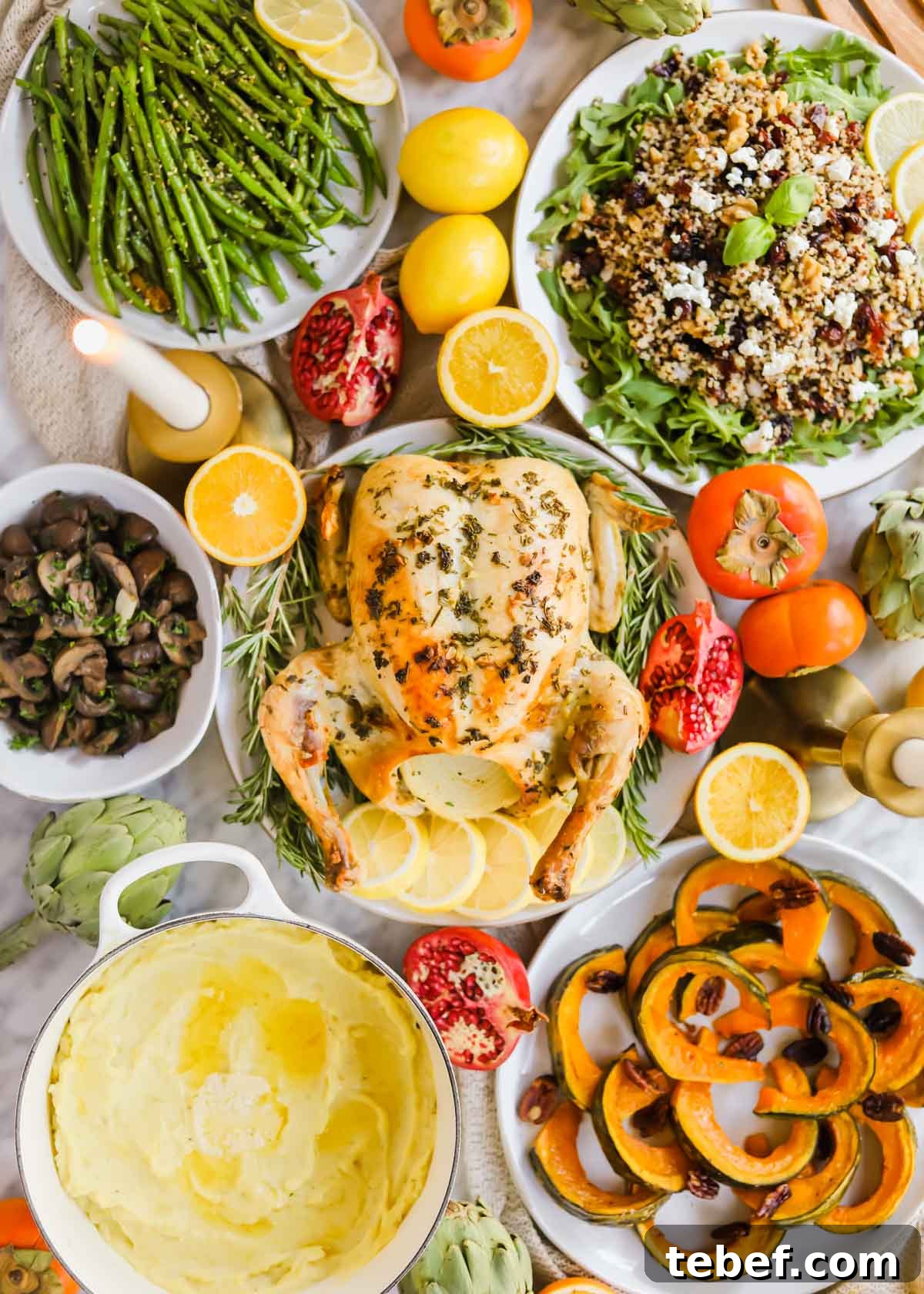
- Choose the right size – Plan 1 to 1.5 pounds of turkey per guest, or select a smaller roasted chicken or roulade for a small gathering.
- Defrost safely – Thaw turkeys in the refrigerator (approximately 24 hours per 5 pounds), or use cold water for a faster method. Plan ahead so the bird is fully thawed before cooking.
- Brine for flavor and moisture – A wet or dry brine adds flavor and helps retain moisture. Brine at least 8 hours for best results.
- Truss and roast – Trussing promotes even cooking. Roast in a sufficiently large pan at the recommended time per pound and ensure the thigh reaches 165°F before serving.
- Rest before carving – Let the bird rest about 30 minutes after roasting so juices redistribute and carving is easier.
Side Dishes
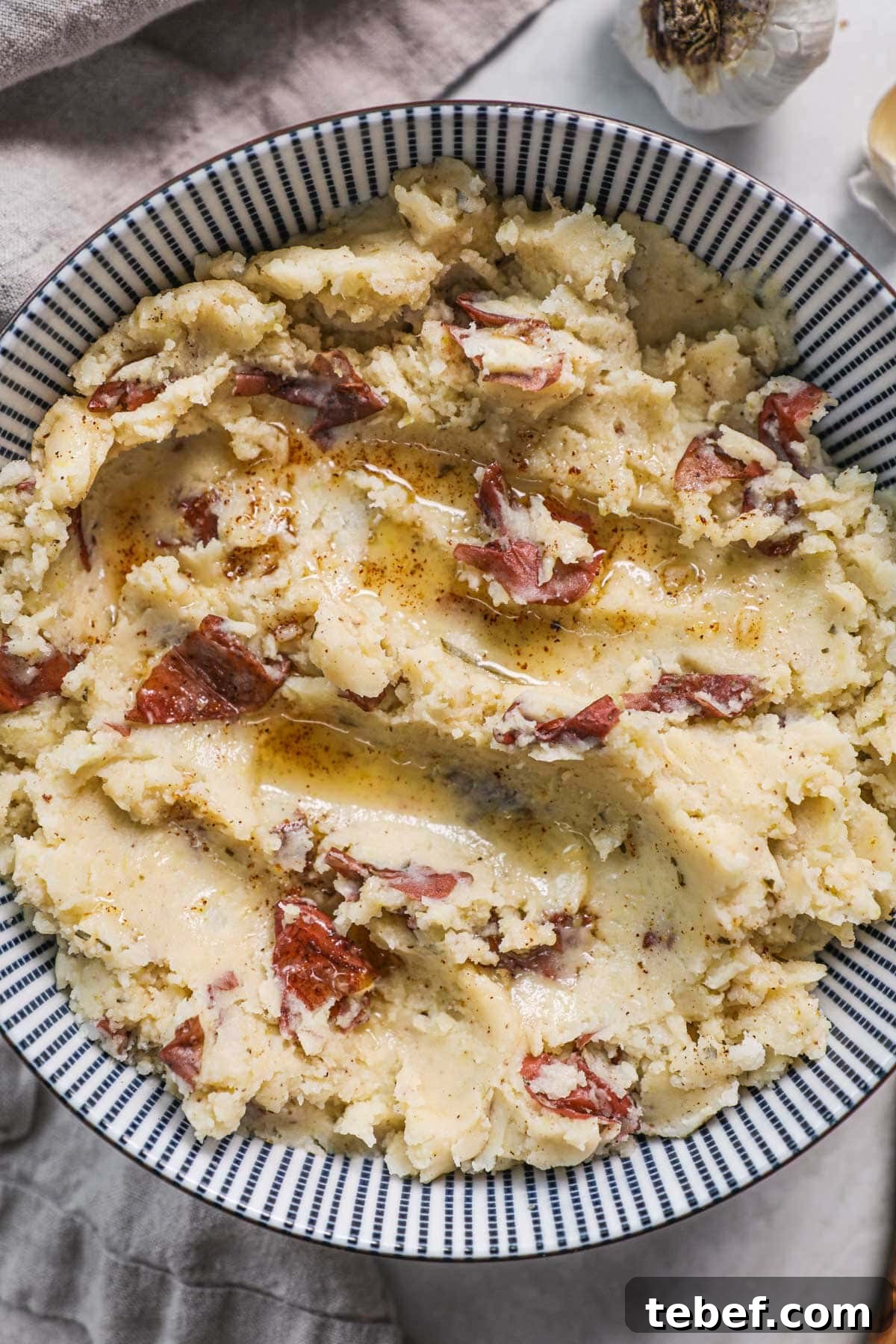
- Make-ahead friendly – Bake casseroles and other oven-heavy dishes a day or two ahead to free oven space on the holiday. Stovetop sides like mashed potatoes and cranberry sauce can be finished while the turkey roasts.
- Reheat wisely – Reheat most dishes on the stovetop or in a low oven to preserve texture and flavor.
- Mix classics and seasonal flavors – Offer familiar favorites alongside seasonal sides like roasted squash, maple Brussels sprouts, or a bright salad to balance the plate.
Desserts
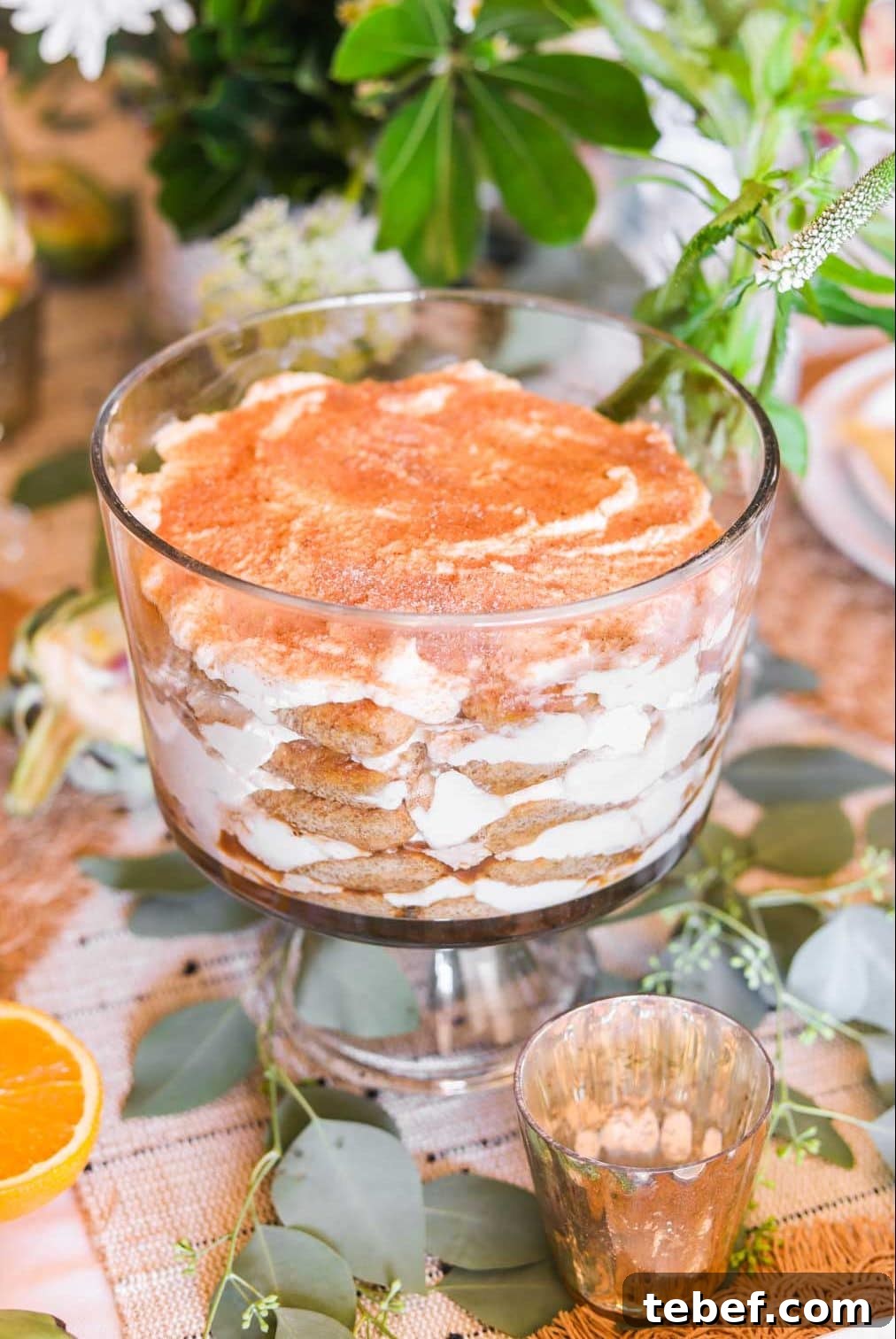
- Stick with some classics – Pumpkin, apple, and pecan pies are reliable crowd-pleasers. Consider adding one unexpected dessert for variety.
- Make ahead – Bake pies and desserts 2–3 days before to reduce day-of stress. Whipped cream can be made fresh or stabilized a day ahead if preferred.
Drinks
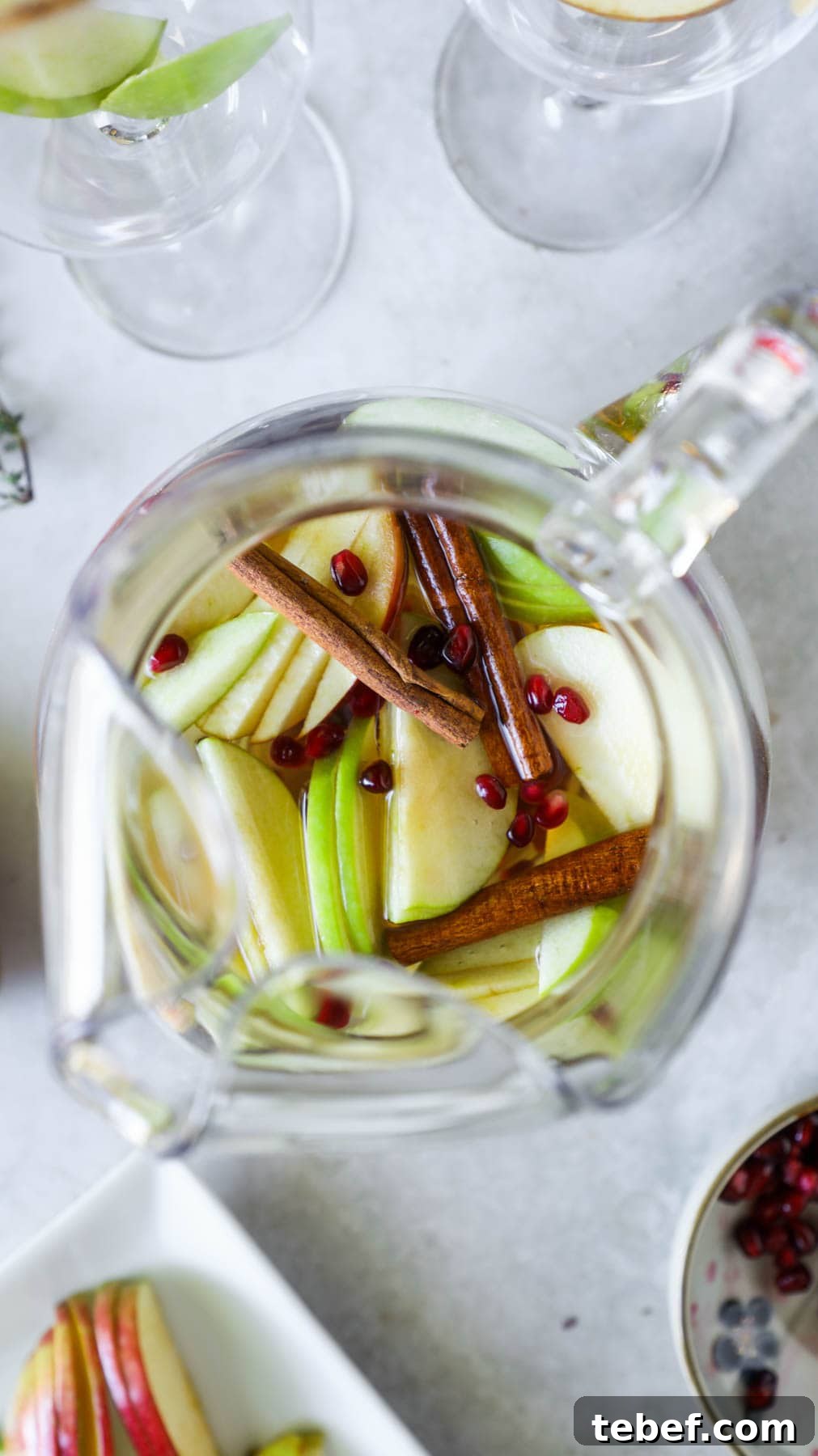
- Offer variety – Provide a mix of alcoholic and non-alcoholic options. A good rule of thumb for wine is roughly one to two bottles per four guests, plus a signature non-alcoholic drink or festive punch.
Setting the Table
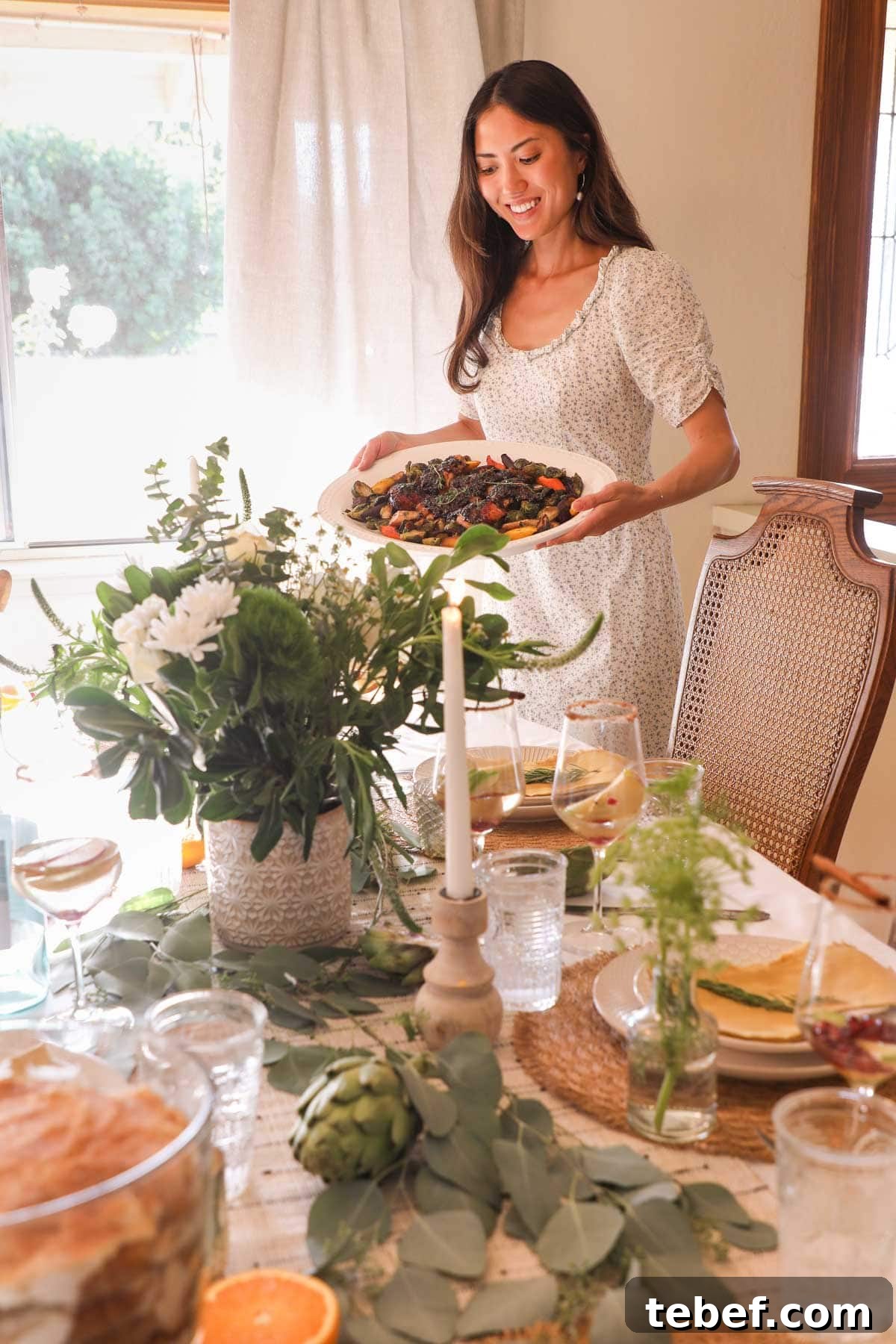
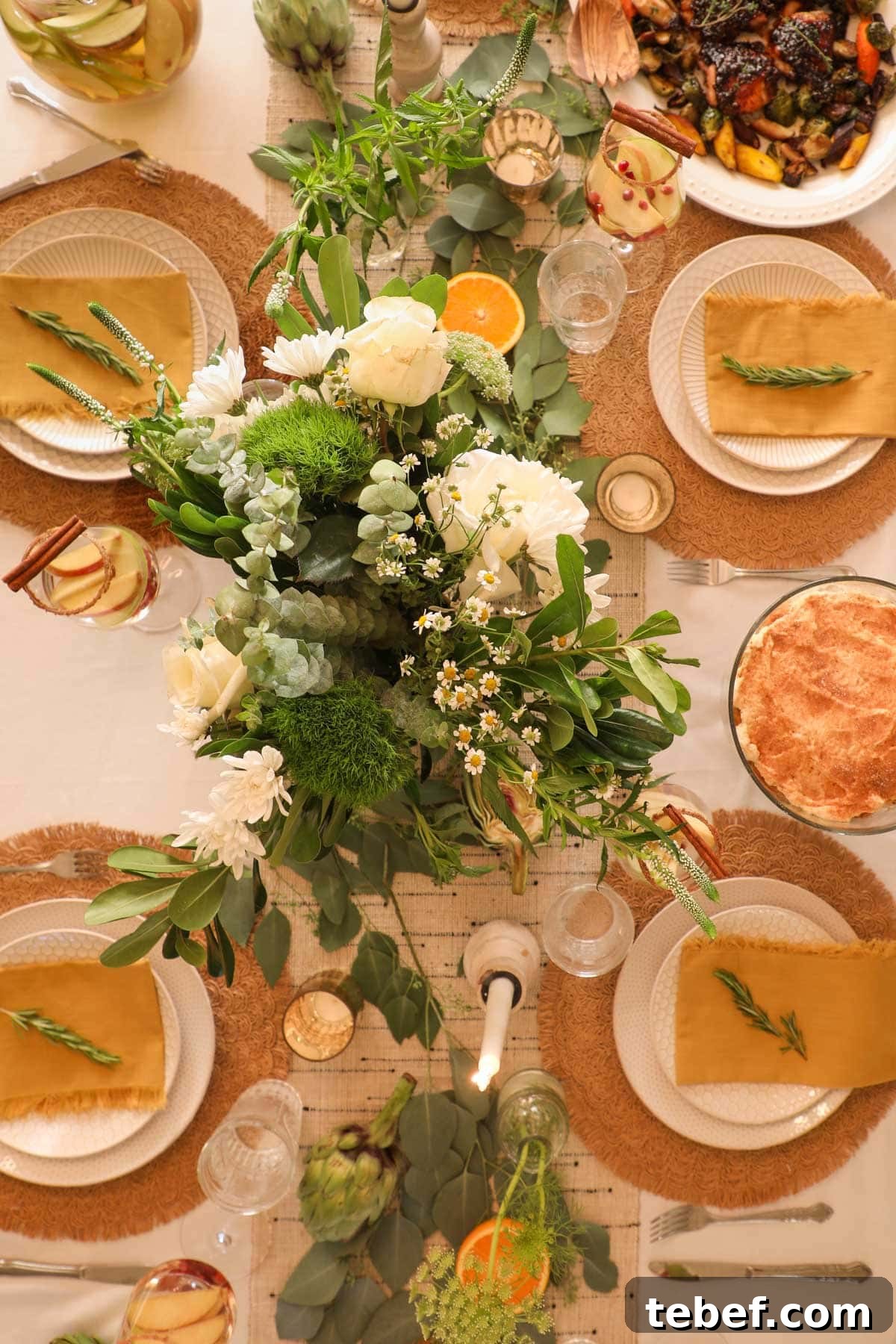
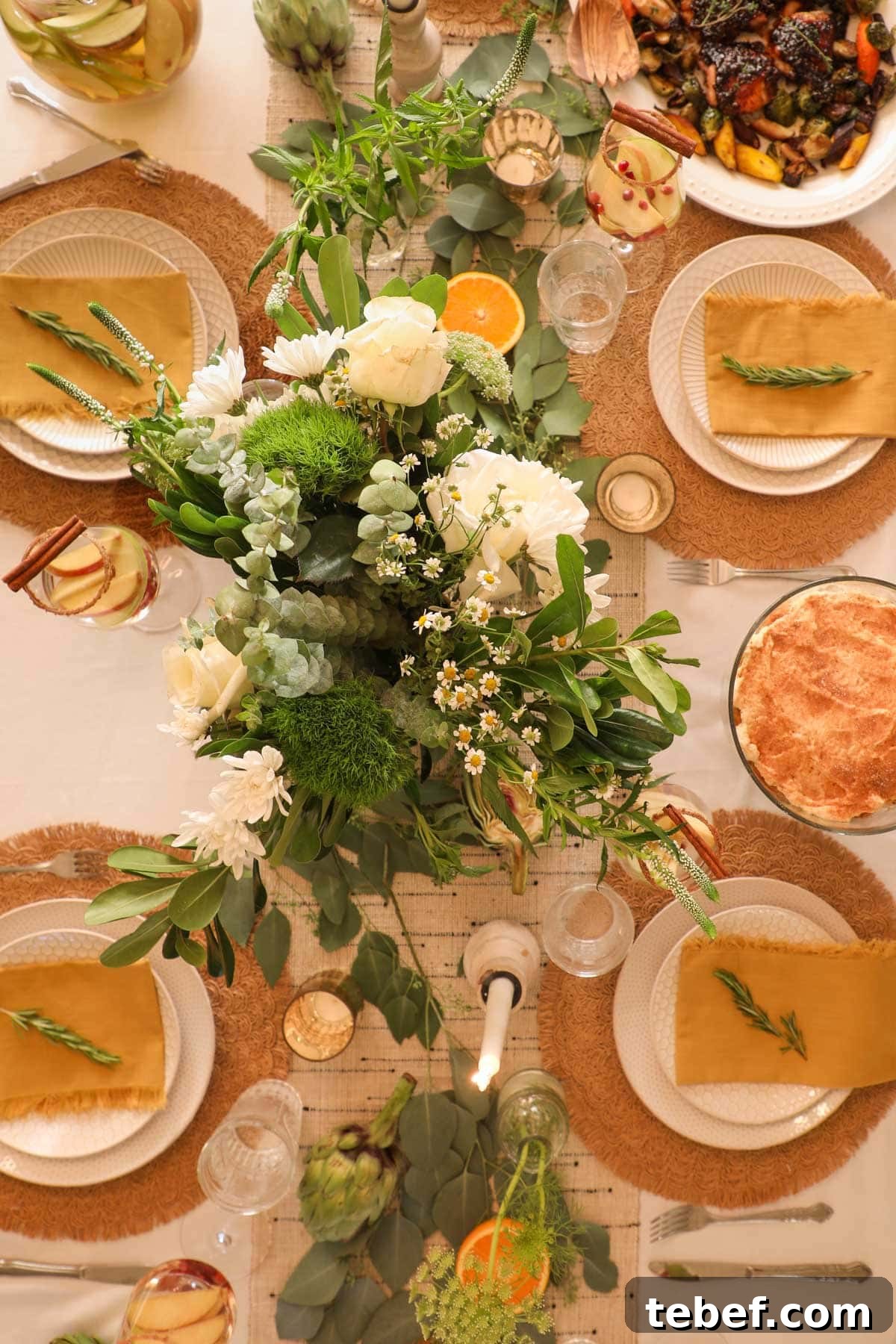
- Pick a cohesive color scheme – Choose two to three colors that reflect the season and carry them through linens, flowers, and place settings.
- Rent for large groups – For big gatherings, consider renting tables, chairs, dinnerware, and glassware to simplify logistics and cleanup.
- Layer textures – Add depth with runners, placemats, greenery, bud vases, and candles to create a warm, textured look.
- Create ambiance – Use candles of varying heights and soft lighting to produce a cozy glow.
- Set proper place settings – Arrange dinnerware, glassware, and flatware thoughtfully. For large events, high-quality compostable plates can reduce post-meal cleanup.
- Add place cards – Optional, but helpful for seating arrangements; tie a handwritten card to a seasonal fruit or use simple paper tents.
- Include small surprises – Place crackers or a small favor at each setting for a festive touch.
Hosting Tips
Welcoming Guests
- Create a welcoming atmosphere – Play seasonal music, have drinks and appetizers ready, and keep the temperature comfortable so guests feel at ease on arrival.
Manage the Dining Room
- Choose a serving style – Family-style or buffet stations both work well. Choose the approach that fits your space and guest count.
- Keep the space tidy – Clear used napkins, load dishes into the dishwasher before dessert, and consolidate bottles and recyclables as the meal progresses.
- Be prepared for spills – Have paper towels, surface cleaner, and a stain remover available for quick cleanups to minimize stress.
Storing Leftovers
- Provide containers – Keep compostable or reusable to-go containers on hand so guests can take leftovers home easily.
- Freeze larger portions – Portion leftovers into freezer-safe containers or bags, label with contents and date, and freeze what you won’t eat within a few days.
- Portion for convenience – Divide large quantities into meal-sized portions to make reheating simple and reduce waste.
Have Fun Hosting
Thanksgiving is a labor of love, but with planning, organization, and a few smart shortcuts, it can be a truly rewarding celebration. Follow these tips to create a welcoming atmosphere, delicious menu, and smooth timeline so you can focus on what matters most: enjoying time with friends and family. Relax, savor the moments, and celebrate togetherness.